



الصفحة 1
الصفحة 1

Inner Speech - L2 : Thinking Words in a Second Language
The purpose of this book is to explore "inner speech" and its connections to second language (L2) learning. reviews the extant literature on L1-L2 inner speech in its attempt to offer a coherent and comprehensive account of the phenomenon. The book draws mainly from Vygotskyan sociocultural theory for insights into the nature of L2 inner speech and the processes that engender it and characterize its development. The pedagogical implications of recognizing the crucial role inner speech plays in L2 learning are also addressed.

Handbook of the Sociology of Emotions
This book is designed to bring the reader up to date on the theory and research traditions that have proliferated in the analysis of human emotions. Key figures who have carried the sociology of emotions to its current level of prominence review their own work and the work of others who have made contributions to a particular approach to the study of emotions. The outcome is a comprehensive book that serves as a primer on the cutting edge of sociological work in what is obviously a key dynamic in human affairs.
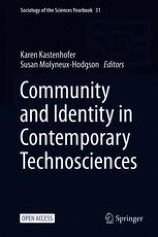
Community and Identity in Contemporary Technosciences
This book provides new thinking on scientific identity formation. It thoroughly interrogates the concepts of community and identity, including both historical and contemporaneous analyses of several scientific fields.
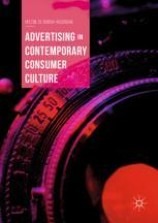
Advertising in contemporary consumer culture
This is the first scholarly book dedicated to reading the work of contemporary filmmakers and their impact on modern marketing and advertising. Drawing from consumer culture theory, film and media studies, the author presents an expansive analysis of a range of renowned filmmakers who have successfully applied their aesthetic and narrative vision to commercial advertising. It challenges some traditional advertising tropes and sheds light on the changing nature of advertising in the contemporary media context. Utilising Deleuze and Guattari’s notion of assemblage, This book addresses themes of spatiality and time, narrative and aesthetics and consumer reception within a new frame of reference that re-contextualises classical concepts of genre, platform and aesthetic categories. These diverse elements are embedded into a larger discussion of the resonance of contemporary advertising for consumer culture and the implications of the hybridity characteristic of convergent media platforms for understanding the potential of advertising in the twenty-first century.
