



الصفحة 1
الصفحة 1

Cross cultural issues in consumer science and consumer psychology : Current perspectives and future directions
Shows cross-cultural issues in consumer psychology and consumer science as the world becomes an increasingly global marketplace. An international panel of experts analyzes current trends in consumer behavior across diverse countries worldwide and across cultural groups within countries, depicting commonly-used cross-cultural frameworks and research methods. Beginning with conceptualizing and quantifying culture at the national level, the volume then moves to individual levels of analysis of consumer decision-making, examining consumer data as they affect business decisions in marketing products internationally. The resulting work synthesizes the consumer science, international business, and consumer psychology literatures for a deeper understanding of all three disciplines and pathways to future research as cultures interact and tastes evolve.

Consumer psychology : A life span developmental approach
Approaches consumer psychology from a unique perspective - it covers the entire lifespan, from birth to old age. Childhood and youth are not discussed as areas special, different and remote from the rest of consumer research but are integrated into our development as humans. Consumption is viewed as a process by groups and individuals with the cycle continuing through to disposal or ownership and possession. The author discusses how people’s natural lifespan influences their relationship to the things they own, how preferences are developed from childhood and how motivations for purchases change throughout their lives from childhood to old age. This book brings together the most recent findings and theories on child and youth consumption, including children’s understanding of advertising and marketing, teen and youth identities and their consumption tastes.

Consumer perception of product risks and benefits
Reflects the current thinking and research on how consumers’ perception of product risks and benefits affects their behavior. It provides the scientific, regulatory and industrial research community with a conceptual and methodological reference point for studies on consumer behavior and marketing. The contributions address various aspects of consumer psychology and behavior, risk perception and communication, marketing research strategies, as well as consumer product regulation. The book is divided into 4 parts: Product risks; Perception of product risks and benefits; Consumer behavior; Regulation and responsibility.
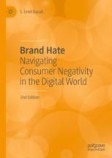
Brand hate : Navigating consumer negativity in the digital world, 2nd
Focuses on the concept of “brand hate” and consumer negativity in today’s digital markets. It explores the emotional detachment consumers generate against valued brands and how negative experiences affect their and other consumers' loyalty. The book defines consumer brand hate and discusses its dimensions, antecedents, and consequences as well as the semiotics and legality of such brand hate activities based on current brand dilution arguments. It describes the situations which lead to anti-branding and how consumers choose to express their dissatisfaction with a company on individual and social levels. This newly updated edition discusses recent research findings from brand hate literature with new cases and extended managerial analysis.

Behavioural research for marketing : A practitioner's handbook
Provides market researchers and marketeers with the tools to better understand human behaviour by drawing upon social science theory from different schools of thought, including sociology, psychology and behavioural economics. It has practical examples throughout to help illustrate how to operationalise theory in market research and to underpin the way we understand how people think, behave, decide and make choices.
