



الصفحة 1
الصفحة 1

Feasibility studies : An architect's guide
Details the benefits of a feasibility study. Once you’ve secured the commission, how do you ensure you’re following current best practice? Aimed at architects, it identifies the pitfalls involved in undertaking a feasibility study and explains how to set boundaries, organise the process and manage clients’ aspirations. By featuring recent live projects, alongside advice from successful architectural practices, it illustrates how a feasibility study can help achieve positive outcomes and avoid the dangers of a poorly defined brief and service proposal. Presenting the client’s, as well as the architect’s, perspective, this publication highlights why a feasibility study is a sensible way of establishing viability prior to committing to a full-service commission. It underlines the significance of ‘adding value’ as an architect.
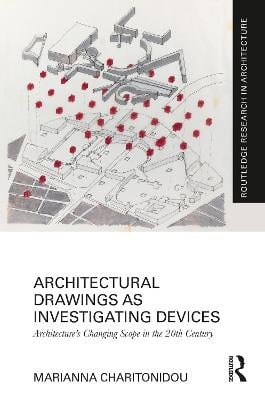
Architectural drawings as investigating devices : Architecture’s changing scope in the 20th century
Explores how the changing modes of representation in architecture and urbanism relate to the transformation of how the addressees of architecture and urbanism are conceived. Diagnoses the dominant epistemological debates in architecture and urbanism during the 20th and 21st centuries. It traces their transformations, paying special attention to Le Corbusier and Ludwig Mies van der Rohe’s preference for perspective representation, to the diagrams of Team 10 architects, to the critiques of functionalism, and the upgrade of the artefactual value of architectural drawings in Aldo Rossi, John Hejduk, Peter Eisenman, and Oswald Mathias Ungers, and, finally, to the reinvention of architectural programme through the event in Bernard Tschumi and the Office for Metropolitan Architecture (OMA). Particular emphasis is placed on the spirit of truth and clarity in modernist architecture, the relationship between the individual and the community in post-war era architecture, the decodification of design process as syntactic analogy and the paradigm of autonomy in the 1970s and 1980s architecture, the concern about the dynamic character of urban conditions and the potentialities hidden in architectural programme in the post-autonomy era.
