



الصفحة 1
الصفحة 1

Handbook of Word-Formation
This volume, intended both for advanced students and scholars of linguistics, traces the many strands of study in the field of word formation that have developed since the seminal work of Marchand and Lees in the 1960s. In mapping the state of the art in the field of word formation, it avoids a biased approach by presenting different, but mutually complementary frameworks within which research into word formation has taken place. It covers the historical development of theories of word formation within generative grammar, and affords a solid introduction to the treatment of word formation in cognitive grammar, natural morphology, optimality theory, Lexeme Morpheme Base Morphology, onomasiological theory, and other recent frameworks.
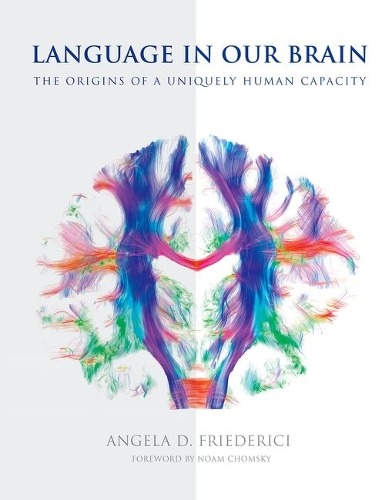
Language in our brain : The origins of a uniquely human capacity
Friederici describes the basic language functions and their brain basis; the language networks connecting different language-related brain regions; the brain basis of language acquisition during early childhood and when learning a second language, proposing a neurocognitive model of the ontogeny of language; and the evolution of language and underlying neural constraints. She finds that it is the information exchange between the relevant brain regions, supported by the white matter tract, that is the crucial factor in both language development and evolution.
