



الصفحة 1
الصفحة 1
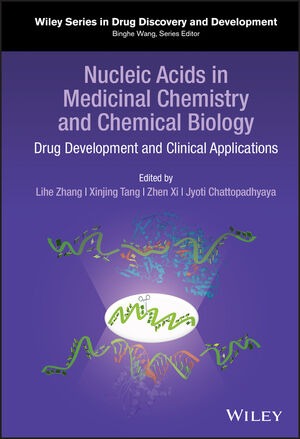
Nuucleic acids in medicinal chemistry and chemical biology : Drug development and clinical applications
Delivers a comprehensive overview of the chemistry and biology of nucleic acids and their therapeutic applications. The book emphasizes the latest research in the field, including new technologies like CRISPR that create novel possibilities to edit mutated genes at the genomic DNA level and to treat inherited diseases and cancers. The authors explore the application of modified nucleosides and nucleotides in medicinal chemistry, a variety of current topics on nucleic acid chemistry and biology, nucleic acid drugs used to treat disease, and more. They also probe new domains of pharmaceutical research, offering the reader a wealth of new drug discovery opportunities emerging in this dynamic field

Non-viral Gene Therapy: Gene Design and Delivery
The development of gene medicine based on the concept of molecular therapy has opened new medical horizons. Among the many techniques in gene medicine, gene design and delivery are especially significant in clinical applications. This book presents state-of-the-art information on non-viral gene-delivery techniques, covering a broad spectrum of disciplines that include chemistry, molecular biology, cell biology, and pharmacokinetics

Natural Products Targeting Clinically Relevant Enzymes
Covers the full spectrum of clinically relevant enzymes that are known to be targeted by natural products. Key enzymes include acetylcholine esterase, angiotensin-I-converting enzyme, cyclooxygenase, dihydrofolate reductase, phospholipase A2, respiratory complexes, and many more. By connecting the diversity of medicinal natural product sources with their potential clinical applications, this volume serves as a companion for the medicinal chemist looking for innovative small molecule compounds as well as for pharmacologist interested in the clinical effects and mode of action of herbal and traditional medicines.
Nanotechnology in endodontics : Current and potential clinical applications
Provides detailed information on the emerging applications of nanomaterials and nanoparticles within endodontics, highlighting the exciting potential clinical impact of nanotechnology in the field. The range of applications covered is diverse, encompassing drug and gene delivery, tissue engineering, antibacterial strategies, dentin tissue stabilization, dentin pulp regeneration and use in restorative and endodontic materials. Important scientific background information relating to each application is provided, with clear coverage of basic principles. In addition, potential pitfalls are identified and explained. The cytotoxicity of nanomaterials and nanoparticles is also addressed in a separate chapter. The book will be of value both for endodontic practitioners and for all scientists and graduate students who are interested in the application of nanotechnology in endodontics.

Nanoparticle-based cancer vaccines
Reviews the fundamentals of cancer vaccines, explores the role of nanotechnology in improving vaccine design and delivery, and evaluates current clinical applications, challenges, and regulatory considerations, highlighting the potential of nanoparticle-based cancer vaccines in future cancer treatment.
Nanomaterials in dental medicine
Presents varied clinical applications of nanomaterials in dentistry ranging from diagnostics to therapeutics. it discusses role of nanomaterials in clinical applications and future needs. Contributors are international luminaries in their respective research area. The topics covered in this book are role of nanomaterials in oral and dental diagnosis, dental disease prevention, pain free dentistry, dental implantology. It also discusses the therapeutic applications of nanoparticles in oral cancer therapy. This book will be a valuable reference for researchers, clinicians, students and professionals working in the areas of nanotechnology and health sciences. It will also be of interest to the students and researchers primarily working in the field of materials science, applied chemistry, applied physics, and biotechnology.

Multidetector-Row CT Angiography
Multidetector-row CT has dramatically improved the results of computed tomography in all clinical applications, but its beneficial impact has been most striking in vascular imaging. The simplicity of acquisition and the wide availability of equipment make this modality especially suitable for routine clinical application. In this book the basic aspects of multidetector-row CT angiography are comprehensively reviewed. Individual chapters are included on technical principles, image processing techniques and contrast agent administration. All clinical applications are then discussed in depth, with lucid descriptions of the examination technique for particular clinical indications and of the findings that characterize specific diseases. Limitations and advantages in comparison with other imaging modalities are considered. A large number of high-quality black and white and color illustrations help to explain the clinical findings.

MSCs and Innovative Biomaterials in Dentistry
Presents the modern concepts of mesenchymal stem cells (MSCs) and biomaterials as they pertain to the dental field. The book is organized around three main topics: MSCs biology, advanced biomaterials, and clinical applications. The chapters present basic information on stem cell biology and physiology, modern biomaterials that improve bone tissue regeneration, the biomatrices like platelet-rich fibrin (PRF) used to functionalize the biomaterials surface, the strategic and safe intraoral seats of harvesting, the new sources for MSCs, as well as the future perspectives and new challenges in these exciting fields.

Mouse Models of Human Blood Cancers : Basic Research and Pre-clinical Applications
Although it remains an open question among some people whether mice and humans are similar in disease development, the laboratory mouse has emerged as the preeminent animal model for human diseases. This is underscored by the recently completed mouse and human genome projects, which have revealed that mice and humans share the vast majority of their genes, and thus get many of the same diseases, and for the same reasons. Emphasizing why mouse models are valuable in vivo systems for understanding disease mechanisms and developing therapeutic strategies for human blood cancers, "Mouse Models of Human Blood Cancers: Basic Research and Pre-clinical Applications," edited by Shaoguang Li, aims on presenting thorough analyses of the pathological features and the molecular bases of several major types of blood cancer and to describe translational research using mouse cancer models.

Molecular Imaging II
The aim of this textbook of molecular imaging is to provide an up to date review of this rapidly growing field and to discuss basic methodological aspects necessary for the interpretation of experimental and clinical results. Emphasis is placed on the interplay of imaging technology and probe development, since the physical properties of the imaging approach need to be closely linked with the biologic application of the probe (i.e. nanoparticles and microbubbles). Various chemical strategies are discussed and related to the biologic applications. Reporter-gene imaging is beeing addressed not only in experimental protocols, but also first clinical applications are discussed. Finally, strategies of imaging to characterize apoptosis and angiogenesis are described and discussed in the context of possible clinical translation.
Molecular Imaging I
The aim of this textbook of molecular imaging is to provide an up to date review of this rapidly growing field and to discuss basic methodological aspects necessary for the interpretation of experimental and clinical results. Emphasis is placed on the interplay of imaging technology and probe development, since the physical properties of the imaging approach need to be closely linked with the biologic application of the probe (i.e. nanoparticles and microbubbles). Various chemical strategies are discussed and related to the biologic applications. Reporter-gene imaging is being addressed not only in experimental protocols, but also first clinical applications are discussed. Finally, strategies of imaging to characterize apoptosis and angiogenesis are described and discussed in the context of possible clinical translation.

Modafinil as a drug to raise mental and cognitive abilities
Investigates the scientific foundation of Modafinil’s cognitive effects, examining its pharmacodynamics, pharmacokinetics, and clinical applications. Furthermore, it explores the drug’s comparative advantages over natural cognitive enhancers, its side effect profile, patterns of use, and broader societal impact. By offering a comprehensive overview, this study aims to contribute to a better understanding of Modafinil as a modern cognitive enhancer in both medical and non-medical contexts.
Mineral Trioxide Aggregate in Dentistry : From Preparation to Application
Concisely presents information on diverse aspects of MTA and its use with a view to making it more widely available to clinicians and researchers. The topics covered include the development of MTA and its introduction into clinical dentistry, its chemical composition and setting characteristics, manipulation and placement, material properties, reactivity and the influence of environmental factors.
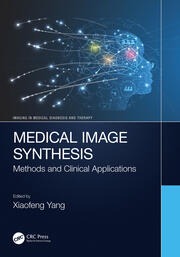
Medical image synthesis : Methods and clinical applications
Image synthesis across and within medical imaging modalities is an active area of research with broad applications in radiology and radiation oncology. This book covers the principles and methods of medical image synthesis, along with state-of-the-art research. First, various traditional non-learning-based, traditional machine-learning-based, and recent deep-learning-based medical image synthesis methods are reviewed. Second, specific applications of different inter- and intra-modality image synthesis tasks and of synthetic image-aided segmentation and registration are introduced and summarized, listing and highlighting the proposed methods, study designs, and reported performances with the related clinical applications of representative studies. Third, the clinical usages of medical image synthesis, such as treatment planning and image-guided adaptive radiotherapy, are discussed. Last, the limitations and current challenges of various medical synthesis applications are explored, along with future trends and potential solutions to solve these difficulties.

MDCT : A Practical Approach
Computed tomography (CT) is the most rapidly evolving medical imaging technology. This book describes current examination techniques and advanced clinical applications of state-of-the-art multidetector computed tomography (MDCT) scanners in chapters contributed by several distinguished radiologists and clinicians. Each chapter is written from a practical perspective so that radiologists, residents, medical physicists, and radiology technologists can obtain relevant information about MDCT applications in neuroradiology, cardiac imaging, chest, abdominal, and musculoskeletal radiology subspecialties. Each coauthor provides pertinent illustrations and tables for better understanding of current and advanced applications of MDCT scanners. Readers will benefit from the experience these authors describe in chapters on MDCT technology, contrast administration techniques, contrast adverse effects and their management, and advanced applications of MDCT.

Interceptive orthodontic treatment for general dentist
Interceptive orthodontic treatment is a critical component of early orthodontic care, aimed at identifying and addressing developing dentofacial problems during the mixed dentition phase. This project explores the principles, objectives, and clinical applications of interceptive orthodontics, including the management of space discrepancies, eruption disturbances, harmful oral habits, skeletal imbalances, and functional deviations. Emphasis is placed on diagnostic procedures.
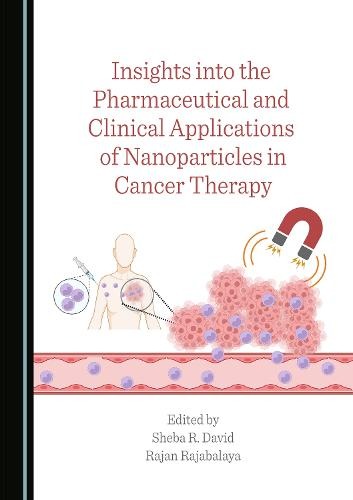
Insights into the pharmaceutical and clinical applications of nanoparticles in cancer therapy
Healthcare has long been on a quest for a ‘magic bullet’ to cure the dreaded disease cancer. As this book shows, nanoparticles perfectly fit the bill with their promising characteristics. Meticulously engineered nanostructures, with a useful drug or molecule, target a specific cancer in unique ways. However, as with many targeted systems, the effectiveness of the system needs to be weighed against the adverse effects. The toxicity of nanoparticles has been a worldwide concern, and evidence-based medicine analyses nanostructures for proof of safety and their efficacy in killing cancer cells. This book gives a fresh perspective on a wealth of diverse nanotechnological advances for various cancers.

Innovative Medicine : Basic Research and Development
Devoted to innovative medicine, comprising the proceedings of the Uehara Memorial Foundation Symposium 2014. It remains extremely rare for the findings of basic research to be developed into clinical applications, and it takes a long time for the process to be achieved. The task of advancing the development of basic research into clinical reality lies with translational science, yet the field seems to struggle to find a way to move forward. To create innovative medical technology, many steps need to be taken: development and analysis of optimal animal models of human diseases, elucidation of genomic and epidemiological data, and establishment of “proof of concept”.

Illustrated Dental Embryology, Histology, and Anatomy
A full-color review of dental structures, Illustrated Dental Embryology, Histology, and Anatomy, 4th Edition provides a complete look at the development, cellular makeup, and morphology of the teeth and associated structures. A clear, reader-friendly writing style makes it easy to understand both basic science and clinical applications, putting the material into the context of everyday dental practice. New to this edition are updates on caries risk, safe levels of fluoride use, and prevention of periodontal disease.
Hepatitis C Virus Disease
Emphasizes the most recent advances on the Hepatitis C virus infection (HCV) moving from basic research to clinical application. In spite of the numerous studies on HCV infection, its pathogenesis and medical treatment have not been fully explained. The first chapters of this volume analyize the full spectrum of immune responses to HCV taking into account either innate or adoptive immunity involvement. The volume also includes a series of contributions which explain the state of art of IFN-alpha treatment in HCV patients and the effectiveness of therapy also in relation to HCV genotypes. The use and applications of pegylated IFNs will also be discussed as well as the complicated HCV disease and its treatment. Hepatitis C Virus Disease: Immunobiology and Clinical Applications is an ideal volume for researchers, scientists, professionals, clinicians, physicians and graduate students in the fields of infectious disease, immunology, virology, microbiology, pharmacology and medicine.
