



الصفحة 1
الصفحة 1

Microprocessor 2 : Communication in a digital system
Focuses more particularly on the first generations of microprocessors, that is to say those that handle integers in 4 and 8-bit formats. The first chapter presents the calculation function and reminds the memory function. The following is devoted to notions of calculation model and architecture. The concept of bus is then presented. Chapters 4 and 5 can then address the internal organization and operation of the microprocessor first in hardware and then software. The mechanism of the function call, conventional and interrupted, is more particularly detailed in a separate chapter. The book ends with a presentation of architectures of the first microcomputers for a historical perspective. The knowledge is presented in the most exhaustive way possible with examples drawn from current and old technologies that illustrate and make accessible the theoretical concepts. Each chapter ends if necessary with corrected exercises and a bibliography. The list of acronyms used and an index are at the end of the book.

Hot cracking phenomena in welds II
This is the second in a series of compendiums devoted to weld hot cracking phenomena, where this subject has been further scrutinized, bringing to bare the most current thoughts on this complex and diverse subject. With 22 technical papers in total, this book is divided in such a way that specific classifications of hot cracks are examined in detail, including solidification, liquation, and ductility dip cracking. The first chapter looks at solidification cracking theory, applying the most modern approaches to modelling weld solidification. Also provided here is a comprehensive review of cracking models. This is followed by two chapters characterizing solidification cracking behaviour for specific alloy systems: ferrous plus nickel-based alloys and aluminium alloys, respectively. The fourth chapter considers liquation cracking in ferrous alloys, and the fifth examines ductility-dip cracking.

Hepatocellular Cancer : Diagnosis and Treatment
Recent advances in the use of ultrasound and computed tomography, in new drugs and drug combinations, as well as with increasingly successful liver transplantation have transformed not only our understanding of hepatocellular cancer (HCC), but also our clinical management of the disease. In Hepatocellular Cancer: Diagnosis and Treatment, highly experienced clinicians-many from Dr. Thomas Starzl's renowned liver transplant team at the University of Pittsburgh-present a fully synthesized practical approach to HCC patient management, including an up-to-date literature review. Their presentation includes all the latest developments in the diagnosis and treatment of primary liver cancer. A summary chapter details for physicians the diagnostic and therapeutic decision-making process for dealing with such problems as incidental tumors in the liver transplant, the role of neo-adjuvant chemotherapy, intra-arterial vs intravenous therapy, the uses of embolization, and the significance of portal vein thrombus. A value-added compact disk containing a companion ebook version of Hepatocellular Cancer: Diagnosis and Treatment is included for downloading and use in the reader's PC or PDA. Authoritative and highly practical, Hepatocellular Cancer: Diagnosis and Treatment captures for physicians the recent exciting changes in our understanding of hepatocellular cancer, focusing on today's optimal diagnostic methods, novel therapeutics, and day-to-day best management practices.
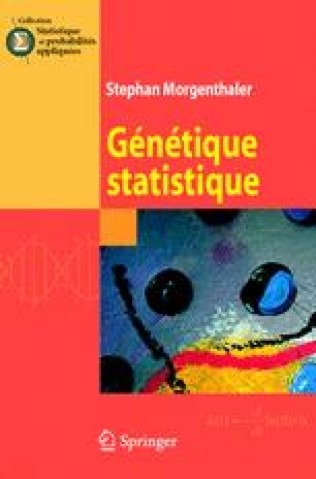
Génetique statistique = Statistical genetics
Presents the main statistical tools useful in genetics: significance tests, analysis methods based on the likelihood function, EM algorithm, modeling, analysis of variance, hierarchical classifications, multiple comparisons, etc. All of them shed light on a number of biological phenomena such as carcinogenesis, population genetics, Hardy-Weinberg equilibrium, natural selection, mutations, heredity, coalescence processes, and even evolution. This book is intended for mathematicians and biologists alike. Written with a great concern for clarity, it is also accessible to non-specialists who will be able, thanks to it, to strengthen their theoretical base and above all to develop their know-how through very concrete applications.

Fracture Classifications in Clinical Practice
This concise and practical handbook contains a wealth of illustrations and explanatory text organized into a concise repository of information on fractures according to the most widely used classification systems.

Foundations of Systematics and Biogeography
the book highlights three principal messages: biological classifications and their explanatory mechanisms are separate notions; most, if not all, homology concepts pre-date the works of Darwin; and that the foundation of all comparative biology is the concept of relationship - neither 'similarity' nor 'genealogical hypotheses of descent' are sufficient. Foundations of Systematics and Biogeography is an ideal volume for students, academics, researchers and professionals in the fields of systematics, biogeography, evolutionary biology and palaeontology.

Essential Quick Review : Operative Dentistry & Endodontics
Provides a complete outline for writing an essay type, a short answer type, or a viva voce type of questions. Written in a simple language along with well-illustrated diagrams wherever possible. Supported with a supplementary booklet for each subject containing three sections: definitions, classifications, and viva voce.

Efficient Learning Machines : Theories, Concepts, and Applications for Engineers and System Designers
Machine learning techniques provide cost-effective alternatives to traditional methods for extracting underlying relationships between information and data and for predicting future events by processing existing information to train models. Efficient Learning Machines explores the major topics of machine learning, including knowledge discovery, classifications, genetic algorithms, neural networking, kernel methods, and biologically-inspired techniques.

Drug repurposing : A new fashion for a new hope
The repurposing of drugs is becoming increasingly attractive as it avoids the long process and cost implications associated with bringing a novel drug to market i.e., drug repurposing is cost effective and time saving. This study will discuss the repositioning of several drugs that belong to different pharmaceutical classifications such as antimicrobials (itraconazole and fluoroquinolones), anti-diabetic agents (metformin and sodium glucose co-transporter 2 inhibitors), cardiovascular drugs (β-blockers and digoxin), anticonvulsants (topiramate), immunosuppressants (sirolimus), non-steroidal anti-inflammatory drugs (NSAIDs e.g., COX inhibitors), and cholesterol lowering drugs (statins).

Dental Sleep Medicine A Clinical Guide
Enables dentists to understand various aspects of dental sleep medicine, and to recognize the signs and symptoms of sleep disorders in their patients. It discusses potential negative impact of a sleep disorder on oral and systemic health, and shows how to collaborate with others in order to implement appropriate patient management. The first part of the book concentrated on the scientific background of sleep medicine in connection to dentistry covering the physiology of sleep, classifications of sleep disorders, their diagnosis as well as medical and dental comorbidities. The second part of the book is dedicated to clinical applications like CPAP therapy, oral appliance therapy, surgical procedures and adjunct therapies. Last, the future of dental sleep medicine is discussed.

Computer vision for biomedical image applications
The purpose of this book is to submit the workshop, “Computer Vision for Biomedical Image Applications: Current Techniques and Future Trends” (CVBIA), is to examine the diverse applications of computer vision to biomedical image applications, considering both current methods and promising new trends. An additional goal is to provide the opportunity for direct interactions between (1) prominent senior researchers and young scientists, including students, postdoctoral associates and junior faculty; (2) local researchers and international leaders in biomedical image analysis; and (3) computer scientists and medical practitioners. Our CVBIA workshop had two novel characteristics: each contributed paper was authored primarily by a young scientist, and the workshop attracted an unusually large number of well-respected invited speakers (and their papers).

Clinical text mining : Secondary use of electronic patient records
Describes the results of natural language processing and machine learning methods applied to clinical text from electronic patient records. It is divided into twelve chapters. Chapters 1-4 discuss the history and background of the original paper-based patient records, their purpose, and how they are written and structured. These initial chapters do not require any technical or medical background knowledge. The remaining eight chapters are more technical in nature and describe various medical classifications and terminologies such as ICD diagnosis codes, SNOMED CT, MeSH, UMLS, and ATC. Chapters 5-10 cover basic tools for natural language processing and information retrieval, and how to apply them to clinical text. The book’s closing chapters present a number of applications in clinical text mining and summarise the lessons learned from the previous chapters.
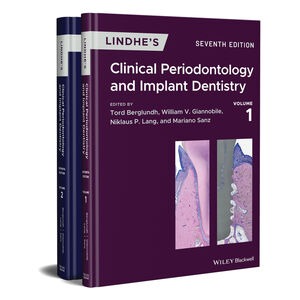
Lindhe's Clinical Periodontology and Implant Dentistry ; 2 Vol. Set ; 7th ed.
Provides an introduction to anatomy, including periodontal tissues, the edentulous ridge, the mucosa at teeth and implants, and osseointegration Discusses the epidemiology of periodontal and peri-implant diseases Explores the microbiology, including dental biofilms and calculus, periodontal infections, peri-implant infections, the pathogenesis of gingivitis and periodontitis, and the genetic susceptibility to periodontal disease Includes the latest perio- and peri-implant disease classifications Contains updated evidence-based preventive and treatment modalities for the treatment of periodontal and peri-implant diseases Features the latest evidence-based therapeutic alternatives on the use of dental implants to rehabilitate the lost dentition

Classifications et scores en chirurgie orthopédique et traumatologique : I. Hanche, Genou, Rachis = Classifications and scores in orthopedic and trauma surgery: I. Hip, Knee, Spine
This book of classifications and scores in orthopedics and trauma is intended as a practical manual to consult. This first volume is devoted to the classifications of the spine, the hip and the knee.

Classifications and Scores of the Shoulder
This book gives a clearly structured, well-defined compendium of classifications and scores of the shoulder for use in everyday clinical life to improve and simplify the communication between physicians and physiotherapists.
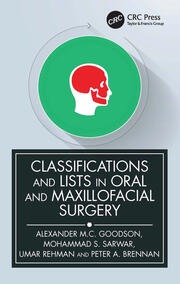
Classifications and lists in oral and maxillofacial surgery
Contains a concise collection of the most important oral and maxillofacial surgery classifications and lists. Such classifications help to describe diseases in a comprehensible, measurable, validated and reproducible manner and are the first step towards a systematic approach for treating specific conditions. Elsewhere in this book, lists provide clinical guidance on key subspecialty topics. Using subdivisions such as trauma, head and neck cancer, and orthognathic surgery, this is a succinct and easy-to-use guide for the head and neck clinician.
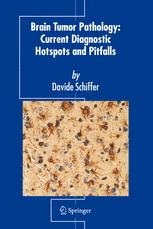
Brain tumor pathology : Current diagnostic hotspots and pitfalls
Since Bailey and Cushing (1926), all brain tumor classifications have been called histogenetic. The nosographic position that the tumor types progressively acquired in the classification systems derived from the resemblance of tumor cells to those of the cytogenesis, modified whenever new information became available from different biological research fields and especially from molecular genetics. Classically, on the basis of the rough correspondence between the mature/immature aspect of tumor cells and the benign/malignant biological behavior of the tumors, the histological labels contained a prognostic significance. The supposed origin of the tumors was thus a factor for prognosis. Later on, with the concept of anaplasia (Cox, 1933; Kernohan et al., 1949) new criteria were introduced for establishing the malignancy grades of tumors. Immunohistochemistry and later molecular genetics further refined the prognostic diagnoses, substantially increasing the opportunities to recognize the cell origin of tumors, beside revealing the pathogenetic mechanisms. Prognoses became more accurate, as required by the greater and more targeted possibilities of therapy.
Anti-viral metabolites from medicinal plants
Covers general concepts of anti-viral metabolites, classifications, ethnopharmacology, chemistry, clinical and preclinical studies focusing on different medicinal plants against various types of viral infections. Various plants have been used in medicine since ancient times and are known for their strong therapeutic effects. The book will describe potential antiviral properties of medicinal plants against a diverse group of viruses, and provide an insight to the potential plants possess for broad-spectrum antiviral effects against emerging viral infections.The book aims to target a broad audience including virologists, molecular biologist, microbiologist and scientists working with natural products as well as researchers, students, healthcare experts involved in pharmaceutical and medical field.
