



الصفحة 1
الصفحة 1

Molecular Pain
This book focus on molecular and synaptic mechanisms for pain transmission, modulation and plasticity. Unlike traditional textbooks about pain, this book covers recent progress in neuroscience and relates these developments to the basic mechanisms of chronic pain. The book also discusses current pain medicine and alternative pain treatments such as acupuncture.

Headache and Chronic Pain Syndromes
Headache and Chronic Pain Syndromes provides a case-based approach to state-of-the-art evaluation and treatment of patients with common chronically painful conditions. Offering strategies for rapidly evaluating and treating pain complaints by body region, this innovative title also provides patient educational handouts that explain the diagnosis and treatment in easy-to-understand language for each condition. Tools for implementing both medication and non-medication therapies, such as exercises and relaxation techniques, are also included. Each chapter opens with typical presentations of three to five common patient scenarios, including pediatric, adult, and geriatric patients. A targeted approach for patient assessment is provided and applied to each scenario, showing how to rapidly identify important clues to distinguish among common diagnoses, including both benign and malignant causes of pain. Standard treatment regimens are then provided for each patient, along with patient-friendly educational flyers for each common pain condition. Figures and drawings help provide ready identification of these common chronic pain syndromes.

Handbook of Homework Assignments in Psychotherapy : Research, Practice, and Prevention
The Handbook of Homework in Psychotherapy is the first resource for the practicing clinician that addresses the role of homework across major therapeutic paradigms and complex clinical problems. It opens with a series of practice-orientated chapters on the role of homework in different psychotherapies (acceptance and commitment, client-centered, constructivist, cognitive-behavioral, experiential, family, interpersonal, psychodynamic) written by an international team of expert psychotherapy practitioner-researchers. Then, experienced practitioners present strategies, examples, and formulated assignments for use with different populations (couples, families, older adults) and complex problems (chronic depression, chronic pain, eating disorders, obsessions and compulsions, personality disorders, psychosis, sexual dysfunction, substance abuse, traumatic brain injury). The Handbook closes with three chapters by leading psychotherapy theoreticians, researchers, and practitioners that critique the available research evidence for homework, integrate the recommendations for using homework in practice, and also provide directions for homework's role in prevention.

Handbook of Consultation-Liaison Psychiatry
This book takes a practical biopsychosocial approach to helping readers navigate this complex terrain.Early chapters trace the roots of psychosomatic medicine and consultation-liaison psychiatry, the nature of psychiatric diagnosis, and explain the clinical, educational, administrative, and research functions of CL psychiatry, and walk the reader through the basics of psychiatric consultation. They discuss common reasons for psychiatric consultation and the immediate management of urgent conditions such as agitation and suicidal behavior. From there, chapters feature case vignettes, practice guidelines, and specific information on topics as varied as postpartum depression, withdrawal symptoms, and chronic pain. And in keeping with this real-world orientation, contributors identify cultural issues, analyze ethical concerns, and flag the potential conflicts of interest that practitioners must recognize and prevent for successful practice.

Functional Neuroanatomy of Pain
Pain is an unpleasant but very important biological signal for danger. Nociception is necessary for survival and maintaining the integrity of the organism in a potentially hostile environment. Pain is both a sensory experience and a perceptual metaphor for damage and it is activated by noxious stimuli that act on a complex pain sensory apparatus. However, chronic pain having no more a protective role can become a ruining disease itself, termed "neuropathic pain".

Clinical Ultrasound in Benign Proctology : 2-D and 3-D Anal, Vaginal and Transperineal Techniques
Anal US may provide the clinician with useful information for both classification, diagnosis and management of anorectal sepsis, anal incontinence and anorectal-perineal chronic pain. Almost any case presented in this Atlas shows both imaging and clinical pictures, thus allowing both the radiologist and the clinician to assess the reliability of the exam and the outcome of the selected treatment.

Chronic Pain and Family : A Clinical Perspective
Chronic pain affects every facet of a patient’s life, and nowhere is this more evident than in the complex arena of family life. Chronic Pain and Family: a Clinical Perspective examines typical family issues associated with prolonged illness, offering realistic ways to approach them in therapy. Informed by current practice and his own experience, noted author/clinician Ranjan Roy brings fresh insights to common pain scenarios and therapeutic impasses, and provides a framework for assessing marital and family relationships when chronic pain is a defining factor. Clinicians will get not only a clearer understanding of sensitive issues, but also effective strategies for engaging clients without turning them off.
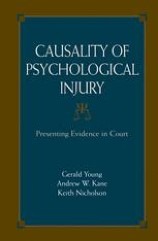
Causality of Psychological Injury : Presenting Evidence in Court
This sequel to the authors’ Psychological Knowledge in Court offers a welcome expansion on key concepts, terms, and issues in causality, bringing much needed clarity to psychological injury assessments and the legal contexts that employ them. Focusing on PTSD, traumatic brain injury, and chronic pain (and grounding readers in salient U.S. and Canadian case law), Causality sets out a multifactorial causality framework to facilitate admissibility of psychological evidence in court. Issues concerning malingering are examined in depth, as are clinical gray areas that can jeopardize validity. At the same time, the book clearly explains what lawyers and clinicians need to understand about each other’s work—of crucial importance since the two sides often seem to speak at cross-purposes.
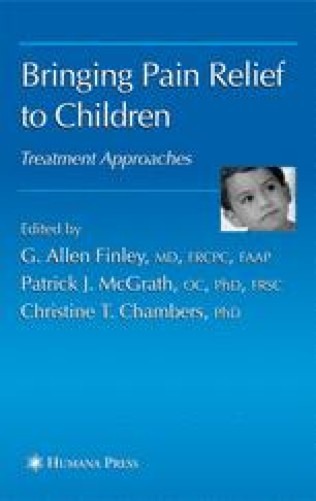
Bringing Pain Relief to Children : Treatment Approaches
In Bringing Pain Relief to Children: Treatment Approaches, a panel of prominent clinician-scientists comprehensively reviews the latest developments in pediatric pain management, with special emphasis on the setting in which pain is detected and managed. The authors explore the cutting-edge of children's pain care in inpatient, outpatient, palliative care, school, and residential settings, and describe alternate approaches, including complementary and alternative medicine, pain management via the internet and information technology, and pain care in developing countries.
