



الصفحة 1
الصفحة 1

Open and Closed Innovation : Different Cultures for Different Strategies
Open Innovation is a phenomenon in both research and management practice. Since radical innovation or new business development often require external technologies or ways of commercialization, many firms have shifted from a Closed to an Open Innovation model. However, firms often face difficulties during the implementation. While the implementation effort usually focuses on external ideas and technologies as well as the processes to identify them, cultural challenges are neglected. Philipp Herzog develops a theoretical framework arguing that Open Innovation and Closed Innovation cultures need to be different (e.g. regarding the not-invented-here (NIH) syndrome). Based on a multi-respondent survey among 120 R&D employees from three business units of a leading chemical firm, he provides empirical evidence for many of the hypothesized differences in innovation culture.

One Hundred Years of Chemical Warfare : Research, Deployment, Consequences
On April 22, 1915, the German military released 150 tons of chlorine gas at Ypres, Belgium. Carried by a long-awaited wind, the chlorine cloud passed within a few minutes through the British and French trenches, leaving behind at least 1,000 dead and 4,000 injured. This chemical attack, which amounted to the first use of a weapon of mass destruction, marks a turning point in world history. The preparation as well as the execution of the gas attack was orchestrated by Fritz Haber, the director of the Kaiser Wilhelm Institute for Physical Chemistry and Electrochemistry in Berlin-Dahlem. During World War I, Haber transformed his research institute into a center for the development of chemical weapons (and of the means of protection against them).

Olfactory knows the truth
Olfaction, the sense of smell detects and discriminate odors as well as social cues which influence our innate responses. The olfactory system in human beings is found to be weak as compared to other animals; however, it seems to be very precise. It can detect and discriminate millions of chemical moieties (odorants) even in minuscule quantities. The sense of smell is greatly underappreciated, despite the fact that it monitors the intake of airborne agents into the human respiratory system and determine to a large degree the flavor and palatability of foods and beverage. In addition to enhancing quality of life, this primary sensory system warns of spoiled foods, leaking natural gas, polluted air and smoke, and mediates basic elements of communication (e.g., mother-infant interaction). It is now apparent that smell dysfunction is among the first clinical signs of such neurodegenerative diseases as Alzheimer’s disease and sporadic Parkinson’s disease.

Ocean-atmosphere interactions of gases and particles
The oceans and atmosphere interact through various processes, including the transfer of momentum, heat, gases and particles. In this book leading international experts come together to provide a state-of-the-art account of these exchanges and their role in the Earth-system, with particular focus on gases and particles. Chapters in the book cover: i) the ocean-atmosphere exchange of short-lived trace gases; ii) mechanisms and models of interfacial exchange (including transfer velocity parameterisations); iii) ocean-atmosphere exchange of the greenhouse gases carbon dioxide, methane and nitrous oxide; iv) ocean atmosphere exchange of particles and v) current and future data collection and synthesis efforts.

Obesity and Cancer
This book highlights the concordance between signaling pathways that are involved in obesity and cancer cross-talks. It describes the role of cytokines, chemokines, growth factors, insulin, and adipokines in the development of obesity-associated cancers. The book reviews the role of inflammatory signaling pathways such as estrogen-mediated signaling, mTOR and AMP-activated protein kinase pathway and the involvement of adaptive and innate immunity, oxidative stress, gene polymorphism, dietary phytochemicals, and miRNAs in obesity and cancer. In addition, it covers the latest research on the drugs and natural therapeutic agents that target obesity-induced cancers and discusses various in vivo models for studying obesity and obesity-associated cancer. Lastly, it analyses the role of genetic polymorphisms in the obesity-related genes that influence cancer development.
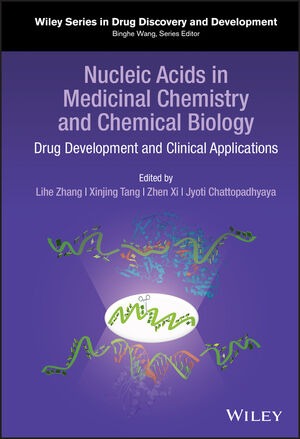
Nuucleic acids in medicinal chemistry and chemical biology : Drug development and clinical applications
Delivers a comprehensive overview of the chemistry and biology of nucleic acids and their therapeutic applications. The book emphasizes the latest research in the field, including new technologies like CRISPR that create novel possibilities to edit mutated genes at the genomic DNA level and to treat inherited diseases and cancers. The authors explore the application of modified nucleosides and nucleotides in medicinal chemistry, a variety of current topics on nucleic acid chemistry and biology, nucleic acid drugs used to treat disease, and more. They also probe new domains of pharmaceutical research, offering the reader a wealth of new drug discovery opportunities emerging in this dynamic field

Nutrition, chemistry, and health effects of sugar, salt, and milkfat
Covers sugar, salt and milk fat from a chemical perspective, and presents an overview of the role of these ingredients in our food, focusing on their flavors, satiety-inducing properties, nutritional impact, and health effects. The book begins with a chapter devoted to the chemical composition of these taste enhancers and satiety-inducing components, followed by a chapter that sheds light on the persuasive tactics employed by the food industry and their impact on consumer behavior, ultimately discussing the complex relationship between marketing strategies and public health. In Chapter 3, the author presents case studies and explores the nutritional requirements of these ingredients, while considering their physiological effects ad potential implications for human health. In Chapter 4, the author evaluates current consumption patterns and their implications, analyzing trends, policies, and opportunities to shape healthier dietary choices.

Nutraceuticals in insomnia and sleep problems
Sleep is one of the most important and crucial physiological needs for maintaining a healthy life. However, in today’s day and age, insomnia and other sleep disorders, such as sleep apnea, are increasing rapidly. This new book details the nutraceuticals from foods that help to promote good health and optimum sleep. The authors discuss the importance of sleep, the role of diet in sleep, the role of specific vitamins and minerals, amino acids and opioids as nutraceuticals for sleep, newer technologies for use and delivery of nutraceuticals for treating insomnia, and more. The book not only explores nutraceuticals that promote optimum sleep but also details foods that cause insomnia, such as processed, chemical-rich, and refined foods. Chapters also cover commensal and symbiotic microbes, microbial metabolites, and bacteriocins and their impact on sleep. A chapter on the ethical issues related to addiction to nutraceuticals for sleep induction is also included.

Numerical Techniques for Chemical and Biological Engineers Using MATLAB® : A Simple Bifurcation Approach
This book addresses the bifurcation characteristics of chemical and biological processes as the general case and treats systems with a unique steady state as special cases. It uses a system approach which is the most efficient for knowledge organization and transfer. The book develops mathematical models for many commercial processes utilizing the mass-, momentum-, and heat-balance equations coupled to the rates of the processes that take place within the boundaries of the system. The models are solved numerically through MATLAB codes with emphasis on the design and optimization of the chemical and biological industrial equipment and plants.

Nuclear fusion research : Understanding plasma-Surface interactions
It became clear in the early days of fusion research that the effects of the containment vessel (erosion of "impurities") degrade the overall fusion plasma performance. Progress in controlled nuclear fusion research over the last decade has led to magnetically confined plasmas that, in turn, are sufficiently powerful to damage the vessel structures over its lifetime. This book reviews current understanding and concepts to deal with this remaining critical design issue for fusion reactors. It reviews both progress and open questions, largely in terms of available and sought-after plasma-surface interaction data and atomic/molecular data related to these "plasma edge" issues.

Nuclear Dynamics : Molecular Biology and Visualization of the Nucleus
The dynamics of nuclear structures described in this book furnish the basis for a comprehensive understanding of how the higher-order organization and function of the nucleus is established and how it correlates with the expression of a variety of vital activities such as cell proliferation and differentiation. The resulting volume creates an invaluable source of reference for researchers in the field.

Non-Linear Optical Properties of Matte : From molecules to condensed phases
Non-Linear Optical Properties of Matter: From Molecules to Condensed Phases attempts to draw together both theory and application in this field. As such it will be of interest to both experimentalists and theoreticians alike. Divided into two parts, Part 1 is concerned with the theory and computing of non-linear optical (NLO) properties while Part 2 reviews the latest developments in experimentation.This book will be invaluable to researchers and students in academia and industry. It will be of particular interest to anyone involved in materials science, theoretical and computational chemistry, chemical physics, and molecular physics.

Nonlinear Integer Programming
It is not an exaggeration that much of what people devote in their hfe re solves around optimization in one way or another. On one hand, many decision making problems in real applications naturally result in optimization problems in a form of integer programming. On the other hand, integer programming has been one of the great challenges for the optimization research community for many years, due to its computational difficulties: Exponential growth in its computational complexity with respect to the problem dimension. This book addresses the topic of the general nonlinear integer programming (NLIP). The overall goal of the book is to bring the state of the art of the theoretical foundations and solution methods of NLIP to readers who are interested in optimization, operations research and computer science. This book investigates the theory and solution methodologies for the general NLIP and provides the developments

Non-Covalent Multi-Porphyrin Assemblies : Synthesis and Properties
This book presents an overview of the synthesis, structure, and properties of molecules obtained by connecting several porphyrins or metalloporphyrins through a variety of chemical linkages. This handsomely produced book gives the reader a broad introduction to this popular and important field. Much of the work encompassed in this area is inspired by the desire to obtain photochemically responsive molecules capable of mimicking various aspects of photosynthesis… As with many edited volumes of this type, there is a certain amount of duplicate coverage of some topics. Also the focus is largely on the methods used to generate the multiporphyrin arrays, and in some cases less attention is given to the properties, other than the structural properties of these arrays.

Noise-Induced Transitions : Theory and Applications in Physics, Chemistry, and Biology
This classic text, an often-requested reprint, develops and explains the foundations of noise-induced processes. At its core is a self-contained, textbook-style presentation of the elements of probability theory, of the theory of Markovian diffusion processes and of the theory of stochastic differential equations, on which the modeling of fluctuating natural and artificial environments is based. Following an introduction to the mathematical tools, the occurrence and the properties of noise-induced transitions are then analyzed for rapidly fluctuating environments describable by the white-noise idealization. Subsequently, more realistic and general types of colored noises are considered. Appropriate practical methods for dealing with these situations are developed. The latter part of the book contains applications and experimental studies illustrating the many facets of noise-induced transitions. The following applications are considered in Noise-Induced Transitions: population dynamics, electrical circuits, chemical and photochemical reactions, non-linear optics, and hydrodynamical systems.

Nitrogen Fixation in Agriculture, Forestry, Ecology, and the Environment
Sustainability has a major part to play in the global challenge of continued development of regions, countries, and continents all around the World and biological nitrogen fixation has a key role in this process. This volume begins with chapters specifically addressing crops of major global importance, such as soybeans, rice, and sugar cane. It continues with a second important focus, agroforestry, and describes the use and promise of both legume trees with their rhizobial symbionts and other nitrogen-fixing trees with their actinorhizal colonization. An over-arching theme of all chapters is the interaction of the plants and trees with microbes and this theme allows other aspects of soil microbiology, such as interactions with arbuscular mycorrhizal fungi and the impact of soil-stress factors on biological nitrogen fixation, to be addressed. Furthermore, a link to basic science occurs through the inclusion of chapters describing the biogeochemically important nitrogen cycle and its key relationships among nitrogen fixation, nitrification, and denitrification. The volume then provides an up-to-date view of the production of microbial inocula, especially those for legume crops.

Nitrogen Cycling in the Americas : Natural and Anthropogenic Influences and Controls
The rate of creation of reactive nitrogen (NR) on the earth has dramatically increased in the last half century mainly due to the production of N-fertilizer through the Haber-Bosch process, fossil fuel combustion, and the cultivation of plants that fix N from the atmosphere. The anthropogenic production of NR has been especially high in developed countries of the temperate zone, such as the USA and Canada, where severe eutrophication of estuaries and coastal zones, acidification of lakes and streams, loss of biodiversity, and reduced forest productivity have become common environmental problems associated with increasing nitrogen loads to ecosystems. This book presents a series of studies from across the Americas whose aim is to highlight key natural processes that control nitrogen cycling as well as discuss the main anthropogenic influences on the nitrogen cycle in both the tropical and temperate regions of the Americas.

Nitric oxide in plants : A molecule with dual roles
Studies have identified the central role of nitric oxide in stress mitigation through the modulation of physiological and biochemical pathways including germination, photosynthesis regulation, and programmed cell death. Nitric Oxide in Plants: A Molecule with Dual Roles provides a detailed account of the physio-biochemical, molecular, and omic basis of NO-mediated responses in crop plants under different stresses.

New Techniques in Solid-State NMR
After the discovery of nuclear magnetic resonance, [1, 2] the new spectroscopy was used for the study of 1 H nuclei in liquids, but then the signal from copper in the receiver coil itself, the first observation of NMR in the solid state, was found.“Wide-line NMR”, named thus because of the line-broadening effects of dipolar interaction and chemical shift anisotropy, was not far behind, and soon led to significant advances through the analysis of spectral lineshapes. Inthis way Richards and Smith [3] demonstrated the presence of H3O+ cations in solid hydrates of strong acids, while Andrew and Eades [4] investigated the details of molecular motion in three solid benzenes. Even now, 50 years later, it is difficult to think of a technique which would provide a more convincing demonstration of the reality of these effects.

New Narratives in Eighteenth-Century Chemistry : Contributions from the 1st Francis Bacon Workshop, 21-23 April 2005, California Institute of Technology, Pasadena, California
The eighteenth century has long been considered critical for the development of modern chemistry, yet many crucial features of the period remain largely unknown or unexplored, for general accounts--often built around Lavoisier--have remained quite selective. This volume presents new approaches and topics in an attempt to build a richer, fuller, more complex view of chemical work during the period. Themes include "late-phase" alchemy, professionalization, chemical education, and the links and relations between chemistry and pharmacy, medicine, agriculture, and geology.
