



الصفحة 1
الصفحة 1

Crystalline cellulose and derivatives : Characterization and structures
Constitutes a valuable, concise and up-to-date guide for the materials and life science community interested in cellulose and related materials. Reliable crystal structures of all cellulose polymorphs and cellulose derivatives determined are critically reviewed and discussed. Models are represented in graphs together with a collection of geometrical data as well as the atomic coordinates for further use. The background for fiber diffraction, computer-aided modeling and spectroscopic investigations is briefly introduced and also included are the necessary molecular data from oligosaccharides as a basis for structure evaluations. X-ray diffraction patterns and spectroscopic diagrams are presented as references to characterize cellulosic materials and to serve as fingerprint tools for the exploration of unknown specimens of cell walls and of industrially processed films and fibers as well as solid-state materials.
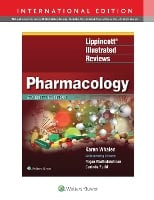
Lippincott illustrated reviews : Pharmacology
Presents up-to-date drug information in an accessible format ideal for a fast, effective refresher. Part of the popular Lippincott® Illustrated Reviews series, this concise resource features clear, effective writing and hundreds of illustrations that break down complex information for rapid review. Sequential images present mechanisms of action and focus on showing rather than telling students how drugs work, and review questions with answers deliver powerful, practical exam preparation. Updated drug information reflects the most current, clinically relevant pharmacology material. Approachable outline format distills complex information for easier review. High-quality illustrations reinforce understanding in vibrant detail. Enhanced review questions with answers test students' understanding and identify areas for further study.

Challenge In biologic drug delivery
Biologics are currently one of the most promising avenues for therapeutic interventions in conditions such as metabolic disease, ageing and inflammatory disorders, and for chronic ailments, oral delivery of such medicines has for years been recognised as an important goal. Despite decades of intensive research, oral delivery of biologics is only just starting to prove feasible. There has been much talk about the barriers to uptake of biologics, and indeed, one function of the intestine is to prevent, in one way or another, passage of unwanted materials across the gut, and yet, grams of biological agents both large and small pass across the intestinal cell wall every day. This review first describes the functioning of the gut under normal circumstances, then identifies the principle biological mechanisms, which have been harnessed successfully, to date, to achieve oral uptake, outlining the pros and cons of each approach.
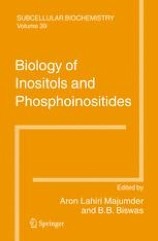
Biology of Inositols and Phosphoinositides
This volume describes the current status of the biology of inositols and phosphoinositides with an emphasis on the development in the area since the publication of volume 26 in 1996 in this series. The progress made in dissecting the genetics, structure and evolution of the seminal enzyme for synthesis of inositol in the biological system has driven the understanding of the enzyme forward. With the current genomic and proteomic tools in place the new role of inositols, inositol phosphates and phosphoinositides in cell signaling or stress response has been explored. These advances are described.
