



الصفحة 1
الصفحة 1

One-Dimensional Nanostructures
One-dimensional (1D) nanostructures, including nanowires, nanotubes and quantum wires, have been regarded as the most promising building blocks for nanoscale electronic and optoelectronic devices. Worldwide efforts in both the theory and the experimental investigation of growth, characterization and applications of 1D nanostructures have resulted in a mature, multidisciplinary field. In this book, a wealth of state-of-the-art information offers the opportunity to uncover the underlying science from diverse perspectives. Leading researchers elucidate the synthesis and properties of 1D nanostructures for various morphologies and compositions (semiconductor, metal, carbon, etc.) as well as their considerable impact on spintronics, information storage, and the design of field-effect transistors.
Omega-3 fatty acids : Keys to nutritional health
Argues for the importance of essential nutrients in our diet. Over the last two decades there has been an explosion of research on the relationship of Omega-3 fatty acids and the importance of antioxidants to human health. Expert authors discuss the importance of a diet rich in Omega-3 Fatty acids for successful human growth and development and for the prevention of disease. Chapters highlight their contribution to the prevention and amelioration of a wide range of conditions such as heart disease, diabetes, arthritis, cancer, obesity, mental health and bone health.

Omega 3 and Omega 6 and its relationship to obesity
This research summarizes information about omega-3 and omega-6. In recent times, there has been growing recognition of the key role of foods and beverages in disease prevention and treatment. Thus, the production and consumption of functional foods has gained much importance as they provide a health benefit beyond the basic nutritional functions. At present, PUFA (poly unsaturated fatty acids) as Omega-3 [(n-3)] fatty acids and Omega -6 [(n-6)] fatty acid have been linked to healthy aging throughout life. Recently, omega-3 fatty acids EPA (eicosapentaenoic acid ) and DHA (docosahexaenoic acid ) have been associated with cardiovascular function, and Alzheimer’s disease.
Oilseeds
Genome Mapping and Molecular Breeding in Plants presents the current status of the elucidation and improvement of plant genomes of economic interest. The focus is on genetic and physical mapping, positioning, cloning, monitoring of desirable genes by molecular breeding and the most recent advances in genomics. The series comprises seven volumes: Cereals and Millets; Oilseeds; Pulses, Sugar and Tuber Crops; Fruits and Nuts; Vegetables; Technical Crops; and Forest Trees.

Oceano fertilità : Psicologia della comunicazione nell'era della fecondazione assistita = Fertility Ocean : The psychology of communication in the age of assisted reproduction
Cosa si prova a non poter avere un figlio? Quanto è difficile comunicare alla coppia una diagnosi di sterilità? Come affrontare il 70% dei fallimenti delle tecniche di PMA? Come una legge puo' incidere sul futuro di un embrione? Il testo, nato dalla fusione multidisciplinare medica, psicologica e sociologica, vuole riflettere su queste domande e accompagnare il lettore in una nuova forma mentis sulle criticità nella fecondazione assistita.
Object-Oriented Technology ; ECOOP 2001 Workshops, Panel, and Posters, Budapest, Hungary, June 18-22, 2001. Proceedings
For the ?fth time in its history, in cooperation with Springer-Verlag, the European C- ference on Object-Oriented Programming (ECOOP) conference series is glad to offer the object-oriented research community the ECOOP 2001 Workshop Reader, a c- pendium of workshop reports, panel transcripts, and poster abstracts pertaining to the ECOOP 2001 conference, held in Budapest from 18 to 22 June, 2001. ECOOP 2001 hosted 19 high-quality workshops covering a large spectrum of - search topics. The workshops attracted 460 participants on the ?rst two days of the conference. Originally 22 workshops were chosen from 26 proposals by a workshop selection committee, following a peer review process. Due to the overlaps in the areas of interest and the suggestions made by the committee six of the groups decided to merge their topicsintothreeworkshops.
Nuucleic acids in medicinal chemistry and chemical biology : Drug development and clinical applications
Delivers a comprehensive overview of the chemistry and biology of nucleic acids and their therapeutic applications. The book emphasizes the latest research in the field, including new technologies like CRISPR that create novel possibilities to edit mutated genes at the genomic DNA level and to treat inherited diseases and cancers. The authors explore the application of modified nucleosides and nucleotides in medicinal chemistry, a variety of current topics on nucleic acid chemistry and biology, nucleic acid drugs used to treat disease, and more. They also probe new domains of pharmaceutical research, offering the reader a wealth of new drug discovery opportunities emerging in this dynamic field

Nutritional psychiatry
Provides a comprehensive overview of nutritional psychiatry, elucidating its theoretical foundations, the biological mechanisms linking diet to mental health (including inflammation, oxidative stress, disrupted energy metabolism the gut–brain axis and other implicated pathways), and the current evidence base for dietary impacts on major psychiatric disorders such as depression, anxiety, schizophrenia, bipolar disorder, and ADHD.
Nutrition and dietary interventions in cancer
Presents the most up-to-date information on the effects of nutrition and food on cancer prevention and management. The book will provide clinicians and other healthcare practitioners with an educational source on how to educate cancer patients and their families on nutrition and dietary during cancer treatment. Recent nutritional epidemiology studies have occasionally produced controversial or unexpected results and highlight the need for additional research on diet and cancer risk. Chapters within the book focus among others on the role of natural antioxidants in cancer, the importance of micronutrients in cancer prevention and nutritional genomics and their role in cancer prevention.

Nutraceuticals in insomnia and sleep problems
Sleep is one of the most important and crucial physiological needs for maintaining a healthy life. However, in today’s day and age, insomnia and other sleep disorders, such as sleep apnea, are increasing rapidly. This new book details the nutraceuticals from foods that help to promote good health and optimum sleep. The authors discuss the importance of sleep, the role of diet in sleep, the role of specific vitamins and minerals, amino acids and opioids as nutraceuticals for sleep, newer technologies for use and delivery of nutraceuticals for treating insomnia, and more. The book not only explores nutraceuticals that promote optimum sleep but also details foods that cause insomnia, such as processed, chemical-rich, and refined foods. Chapters also cover commensal and symbiotic microbes, microbial metabolites, and bacteriocins and their impact on sleep. A chapter on the ethical issues related to addiction to nutraceuticals for sleep induction is also included.

Nutraceuticals in cardiac health management
Cardiovascular diseases (CVDs) constitute the major cause of death worldwide, claiming nearly 18 million lives each year. Multiple foods and nutraceuticals have been proven to reduce the risk of cardiovascular disease. This new book offers an informative update on the most recent scientific evidence addressing the use of nutraceuticals in the prevention and management of heart disease. It summarizes the functional foods that are involved in preventing the risk of CVDs, the mechanisms of the bioactive components that lower the risk of chronic illnesses, as well as the dietary patterns that are involved in the prevention of CVDs. It also covers specific nutraceuticals, including probiotics, dietary fibers, garlic, green tea, vitamins, tomatoes and other lycopene-rich fruits and vegetables, dietary supplements, bee products, and more. In addition, it focuses on detailing the endothelial effects of marine- and plant-derived omega-3 fatty acids and marine-derived natural flavonoids in hypertension and CVDs.

Nutraceuticals in arthritis and psoriasis : Management and prevention of diseases
Explores plant-derived nutraceuticals that can be used as crucial therapeutic tools in the prevention and treatment of arthritis and psoriasis, providing detailed information on the use of plant-derived nutraceuticals, such as microalgae and other marine botanicals, omega polyunsaturated fatty acids, glucosamine and chondroitin sulphate, plant-based gum, vitamins and oils, probiotic supplements, and others in the treatment and management of arthritis and psoriasis. The book relates the recent scientific evidence on the effectiveness of each of these nutraceutical treatments, offering case studies, results of clinical studies, and more.

Nutraceuticals and health care ; 1st ed.
Explores the role of plant-based nutraceuticals as food ingredients and as therapeutic agents for preventing various diseases. The book assesses the role of nutraceuticals in addressing cardiovascular disease, cancer, diabetes, and obesity by highlighting the derivatives, extraction, chemistry, mechanism of action, pharmacology, bioavailability, and safety of specific nutraceuticals. It analyzes twenty one nutraceuticals in a systematic way, providing a welcomed reference for nutrition researchers, nutritionists and dieticians, as well as other scientists studying related areas in food science, technology or agriculture. Students studying related topics will also benefit from this material.
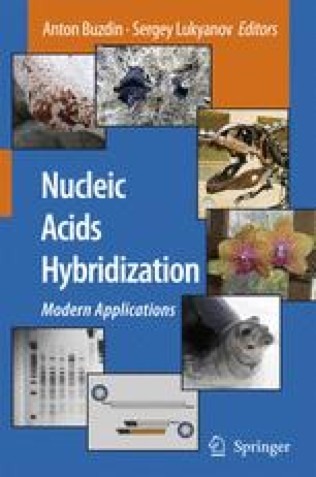
Nucleic Acids Hybridization : Modern Applications
Several approaches, such as microarray hybridization, have become extremely popular tools for specialists in biochemistry and biomedicine, while the potential of many other advantageous techniques seems to be underestimated. Written by an international team of authors, this book details the current state-of-art in hybridization techniques. Coverage includes experimental protocols along with comprehensive and detailed method descriptions.

Nucleic Acids and Proteins in Soil
With millions of different bacterial species living in soil, the microbial community is extremely complex, varying at very small scales. Microbe-driven functions are essential for most processes in soil. Thus, a better understanding of this microbial diversity will be invaluable for the management of the various soil functions. Nucleic Acids and Proteins in Soil combines traditional approaches in soil microbiology and biochemistry with the latest techniques in molecular microbial ecology. Included are methods to analyse the presence and importance of nucleic acids and proteins both inside and outside microbial cells, the horizontal gene transfer which drives bacterial diversity, as well as soil proteomes. Further chapters describe techniques such as PCR, fingerprinting, the challenging use of gene arrays for structural and functional analysis, stable isotope probing to identify in situ metabolic functions, and the use of marker and reporter genes in soil microbial ecology.

Nuclear pre-mRNA Processing in Plants
In recent years nuclear pre-mRNA processing has taken center stage as an important regulator of gene expression and ultimately growth and development. Large-scale genome and cDNA sequencing projects together with bioinformatic analyses of these sequences have revealed that alternative splicing of pre-mRNAs contributes greatly to transcriptome and proteome complexity in eukaryotes. During the last few years, tremendous progress has been made in understanding various aspects of pre-mRNA processing including alternative splicing and its importance in plant growth and development as well as in plant responses to hormones and stresses. This book, with contributions from leading scientists in this area, summarizes recent advances in nuclear pre-mRNA processing in plants. It provides researchers in the field, as well as those in related areas, with an up-to-date and comprehensive, yet concise, overview of the current status and future potential of this research in understanding plant biology.
Nuclear Energy : Principles, Practices, and Prospects
The world faces serious difficulties in obtaining the energy that will be needed in coming decades for a growing population, especially given the problem of climate change caused by fossil fuel use. This book presents a view of nuclear energy as an important carbon-free energy option. It discusses the nuclear fuel cycle, the types of reactors used today and proposed for the future, nuclear waste disposal, reactor accidents and reactor safety, nuclear weapon proliferation, and the cost of electric power. To provide background for these discussions, the book begins with chapters on the history of the development and use of nuclear energy, the health effects of ionizing radiation, and the basic physics principles of reactor operation. The text has been rewritten and substantially expanded for this edition, to reflect changes that have taken place in the eight years since the publication of the first edition and to provide greater coverage of key topics. These include the Yucca Mountain repository plans, designs for next-generation reactors, weapons proliferation and terrorism threats, the potential of alternatives to nuclear energy, and controversies about low-level radiation.

Nuclear back-end and transmutation technology for waste disposal : Beyond the Fukushima accident
Covers essential aspects of transmutation technologies, highlighting especially the advances in Japan. The accident at the Fukushima Daiichi Nuclear Power Plant (NPP) has caused us to focus attention on a large amount of spent nuclear fuels stored in NPPs. In addition, public anxiety regarding the treatment and disposal of high-level radioactive wastes that require long-term control is growing. The Japanese policy on the back-end of the nuclear fuel cycle is still unpredictable in the aftermath of the accident. Therefore, research and development for enhancing the safety of various processes involved in nuclear energy production are being actively pursued worldwide.

NMR in Biological Systems : From Molecules to Human
During teaching NMR to students and researchers, we felt the need for a text-book which can cover modern trends in the application of NMR to biological systems. This book caters to the needs of: (i) graduate students who mostly learn such techniques from senior post-docs in the laboratory; (ii) those who are not experts in NMR but wish to understand if a particular problem in animal, plant, medical and pharmaceutical sciences can be answered by NMR; and (iii) those who are experts in chemistry and biochemistry and wish to know how NMR can provide them information on structural or functional aspect of proteins, nucleic acids, cells and tissues, human and plant organs and other biological materials.

NMR - From Spectra to Structures : An Experimental Approach
Nuclear magnetic resonance spectroscopy is one of the most powerful analytical methods. This practice-oriented textbook aims at teaching how NMR experiments should be used to make structural asssignments. The book is intended as a practical guide for students and laboratory personnel, so that the emphasis is on practical rather than on theoretical aspects, which are treated only to the extent necessary to understand the experiments and to interpret the results.The second edition has been expanded to include several other heteronuclei (15N, 19F, 29Si, 77Se, 113Cd, 117Sn/119Sn, 195Pt, 207Pb) and a new chapter on solid state NMR. The problems section has been enlarged and now includes 50 problems.
