



الصفحة 1
الصفحة 1

Microalgae Building Enclosures : Design and Engineering Principles
Aims to provide design, engineering, and biotechnical guidelines for microalgae building enclosures that need to be considered for symbiotic relations among the built environment, humans, and ecosystems. Introduces the theoretical background of microalgae as a bioremediator and future energy system and their potential roles toward sustainable and healthy built environments. Part II exemplifies interventions and multiple benefits of microalgae systems in product, architecture, urban, and infrastructure applications across the globe including Africa, Asia, Australia, Europe, South America, and North America. Part III explains the design and engineering criteria, biotechnical design requirements, and various performance metrics for microalgae architecture. Finally, Part IV investigates potential building applications in low-rise buildings, high-rise buildings, and energy-efficient retrofitting. The book also includes international case studies of microalgae building systems within various building types and climates.

Creating Healthy and Sustainable Buildings : An Assessment of Health Risk Factors
The book discusses human health and wellbeing within the context of built environments. It provides a comprehensive overview of relevant sources of literature and user complaints that clearly demonstrate the consequences of lack of attention to health in current building design and planning. Current designing of energy-efficient buildings is mainly focused on looking at energy problems and not on addressing health. Therefore, even green buildings that place environmental aspects above health issues can be uncomfortable and unhealthy, and can lead to public health problems. They point to the need for public health specialists, engineers and planners to come together and review built environments for human wellbeing and environmental sustainability. The authors therefore present a tool for holistic decision-making processes, leading to short- and long-term benefits for people and their environment.
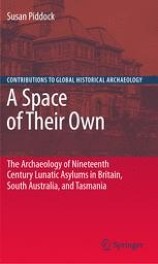
A Space of Their Own : The Archaeology of Nineteenth Century Lunatic Asylums in Britain, South Australia and Tasmania
The history of lunatic asylums – what do we really know about them? Films and television programs have portrayed them as places of horror where the patients are restrained and left to listen to the cries of their fellow inmates in despair. But what was the world of nineteenth century lunatic asylums really like? Are these images true? This book will explore this world using the techniques of historical archaeology and history.
