



الصفحة 1
الصفحة 1

Fundamentals of building performance simulation
Pares the theory and practice of a multi-disciplinary field to the essentials for classroom learning and real-world applications. Authored by a veteran educator and researcher, this textbook equips graduate students and emerging and established professionals in engineering and architecture to predict and optimize buildings’ energy use. It employs an innovative pedagogical approach, introducing new concepts and skills through previously mastered ones and deepening understanding of familiar themes by means of new material. Covering topics from indoor airflow to the effects of the weather, the book’s 19 chapters empower learners to: Understand the models and assumptions underlying popular BPS tools ; Compare models, simulations, and modelling tools and make appropriate selections ; Recognize the effects of modelling choices and input data on simulation predictions
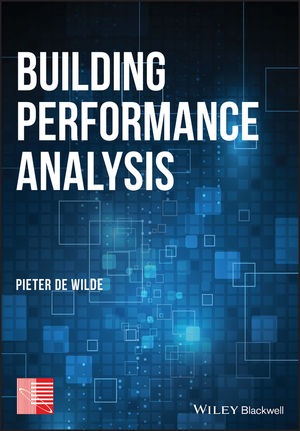
Building performance analysis
presents a comprehensive and systematic overview of the subject. It provides a working definition of building performance, and an in-depth discussion of the role building performance plays throughout the building life cycle. The book also explores the perspectives of various stakeholders, the functions of buildings, performance requirements, performance quantification (both predicted and measured), criteria for success, and the challenges of using performance analysis in practice. Assembles the current body of knowledge on building performance analysis in one unique resource Offers deep insights into the complexity of using building performance analysis throughout the entire building life cycle, including design, operation and management Contributes an emergent theory of building performance and its analysis

A Handbook of Sustainable Building Design and Engineering : An Integrated Approach to Energy, Health and Operational Performance
Equips students with the tools they will need to tackle the challenges of sustainable building design and engineering. The book looks at how to design, engineer and monitor energy efficient buildings, how to adapt buildings to climate change, and how to make buildings healthy, comfortable and secure. New material for this edition includes sections on environmental masterplanning, renewable technologies, retrofitting, passive house design, thermal comfort and indoor air quality. With chapters and case studies from a range of international, interdisciplinary authors, the book is essential reading for students and professionals in building engineering, environmental design, construction and architecture
