



الصفحة 1
الصفحة 1

Modern Theatres 1950–2020
Explores in detail 30 of the most significant theatres, concert halls, opera houses and dance spaces that opened between 1950 and 2010. Each theatre is reviewed and assessed by experts in theatre buildings, such as architects, acousticians, consultants and theatre practitioners, and illustrated with full-colour photographs and comparative plans and sections. A further 20 theatres that opened from 2009 to 2020 are concisely reviewed and illustrated. An excellent resource for students of theatre planning, theatre architecture and architectural design, Modern Theatres 1950 – 2020 discusses the role of performing arts buildings in cities, explores their public and performances spaces and examines the acoustics and technologies needed in a great building. This beautifully illustrated book is also a must-read for architects, theater designers, theatre historians, and theatre practitioners.

Modern hospice design : The architecture of palliative and social care
Takes cognisance of the new conditions of social care in the 21st century, principally in the UK, Europe and North America. It does so with regard to the development of new building types, but also in response to new philosophies of palliative care and the status of the elderly and the dying. At its core is a public discussion of a philosophy of design for providing care for the elderly and the vulnerable, taking the importance of architectural aesthetics, the use of quality materials, the porousness of design to the wider world, and the integration of indoor and outdoor spaces as part of the overall care environment.

Modern apartment design
Provides guidelines to the design of modern apartment buildings as well as a summation of current cutting-edge practice in engineered timber construction.The book covers a brief history of apartment buildings around the world, a broad outline of different types of apartment blocks, and a strong focus on the design and actual construction of apartment buildings, especially those utilising mass timber, such as cross laminated timber and laminated veneer lumber. It also features six Case Study chapters from industry-leading practitioners in the area, enabling best practice in architecture and engineering of these new apartment building types to be more widely understood and propagated worldwide.

Microalgae Building Enclosures : Design and Engineering Principles
Aims to provide design, engineering, and biotechnical guidelines for microalgae building enclosures that need to be considered for symbiotic relations among the built environment, humans, and ecosystems. Introduces the theoretical background of microalgae as a bioremediator and future energy system and their potential roles toward sustainable and healthy built environments. Part II exemplifies interventions and multiple benefits of microalgae systems in product, architecture, urban, and infrastructure applications across the globe including Africa, Asia, Australia, Europe, South America, and North America. Part III explains the design and engineering criteria, biotechnical design requirements, and various performance metrics for microalgae architecture. Finally, Part IV investigates potential building applications in low-rise buildings, high-rise buildings, and energy-efficient retrofitting. The book also includes international case studies of microalgae building systems within various building types and climates.

Metric Handbook : Planning and Design Data
A major handbook of planning and design data for architects and architecture students. Covering basic design data for all the major building types, it is the ideal starting point for any project. For each building type, the book gives the basic design requirements and all the principal dimensional data, and succinct guidance on how to use the information and what regulations the designer needs to be aware of.

Introducing architectural tectonics
Focuses on the tectonic analysis of twenty contemporary works of architecture located in eleven countries including Germany, Italy, United States, Chile, Japan, Bangladesh, Spain, and Australia and designed by such notable architects as Tadao Ando, Herzog & de Meuron, Kengo Kuma, Olson Kundig, and Peter Zumthor. Although similarities do exist between the projects, their distinctly different characteristics – location and climate, context, size, program, construction methods – and range of interpretations of tectonic expression provide the most significant lessons of the book, helping you to understand tectonic theory. Written in clear, accessible language, these investigations examine the poetic creation of architecture, showing you lessons and concepts that you can integrate into your own work, whether studying in a university classroom or practicing in a professional office.

Interior design for small dwellings
Addresses the onrush of interest in smaller homes and the possibility that small dwellings might be the answer to housing needs and sustainability. The book explores key principles essential to residing and designing small interiors with emphasis on client involvement and implementation of participatory, inclusive design as advocated by the Council for Interior Design Accreditation.

Future campus : Design quality in university buildings
Argues that investment in the higher education sector is a driver for intellectual, social and economic development, offering opportunities for positive impacts for the physical environment on the character and performance of higher education. The editor believes that good outcomes result from good design, which should address elements such as learning from best current practice, the importance of clear briefing, good environmental performance, the positive social impacts and, also, the importance of ensuring a beautiful outcome. It has chapters contributed from leading-edge practices, including case studies with highly illustrated project examples.

Exercises in Architecture : Learning to Think as an Architect
It involves awakening abilities that remain dormant in most people. It is like learning language for the first time; a task made more mystifying by the fact that architecture deals not in words but in places: places to stand, to walk, to sit, to hide, to sleep, to cook, to eat, to work, to play, to worship… Written for those who want to be architects. It suggests a basis for early experiences in a school of architecture; but it could also be used in secondary schools and colleges, or as self-directed preparation for students in the months before entering professional education.

Designing tall buildings : Structure as architecture
Advises you to consider the influence of a particular site's geology, wind conditions, and seismicity. Using this contextual knowledge and analysis, you can determine what types of structural solutions are best suited for a tower on that site. You can then conceptualize and devise efficient structural systems that are not only safe, but also constructible and economical. Sarkisian also addresses the influence of nature in design, urging you to integrate structure and architecture for buildings of superior performance, sustainability, and aesthetic excellence.

Dense + Green : Innovative building types for sustainable urban architecture
Explores new architectural typologies that emerge from the integration of green components such as sky terraces, vertical parks and green facades, in high-density buildings. In-depth case studies on the most relevant building types are complemented by expert essays that demonstrate the current paradigm shift in the sustainable urban environment.

Daylighting Design Planning Strategies and Best Practice Solutions
The primary objective of daylight systems is to make maximum use of daylight for certain building types and climates. The book documents the various dimensions of the optimum use of daylight with particular reference to window orientation, light distribution, and prism technology, and discusses the health and economic related aspects.

Courthouse Architecture, Design and Social Justice
Interrogates relationships between court architecture and social justice, from consultation and design to the impact of material (and immaterial) forms on court users, through the lenses of architecture, law, socio-legal studies, criminology, anthropology, and a former senior federal judge.
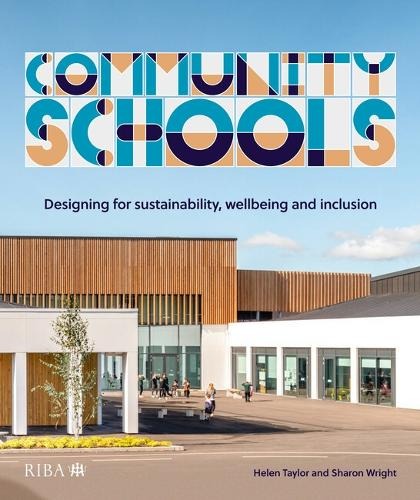
Community schools : Designing for sustainability, wellbeing and inclusion
Reconsiders what is required from physical school environments, building on the learning gathered from the sector over the past two decades. To meet the new social, environmental and economic challenges it advocates designing differently, both in terms of the form that buildings take and the evaluation of their impact and performance. By calling for a reframing of the way that schools are regarded as community-wide amenities, this book explores the potential for architects to deliver design in a manner that supports healthy lifestyles and promotes wellbeing. Through encouraging social connections, new possibilities open up for educational facilities to become open, welcoming and inclusive. Featuring: Over 12 international case studies from practices including: Architype, Argyll + Bute, Bogle Architects, DRMM, Revaerk, Scott Brownrigg and XDGA. Key themes of wellbeing, connectivity, inclusion, indicators and evaluation. Practical guidance and learning points throughout. A new design brief for community schools
Bioclimatic housing : Innovative designs for warm climates
In the search for sustainable architecture, there is growing interest in the relationship between nature and design. In this context, Bioclimatic Housing covers creative, vernacular architecture to present both the theory and practice of innovative, low-energy architecture.The book interweaves the themes of social progress, technological fixes and industry transformation within a discussion of global and country trends, climate types, solutions and technologies. this is a truly international and authoritative work, providing an essential primer for building designers, builders, developers and advanced students in architecture and engineering.
Big little hotel : Small hotels designed by architects
This book showcases small hotels, all located in the United States, designed by architects who use light and materials in interesting and intentional ways. The designs also deliberately connect to their local history, context, or land – in many cases all three. Both the architecture and the operations harmonize with the place, whether that is a bustling city, small town, or natural area. Many are new buildings but some are adaptive reuse projects or renovations of historic properties, extending the connectivity of the place into the future.

Architecture for residential care and ageing communities : Spaces for dwelling and healthcare
A guide to the planning, architecture, and design of schools that are healthy, stimulating, and will conserve energy and resources. Written with the needs of architects, construction professionals, educators, and school administration in mind, the book provides a road map for sustainable planning, design, construction, and operations.
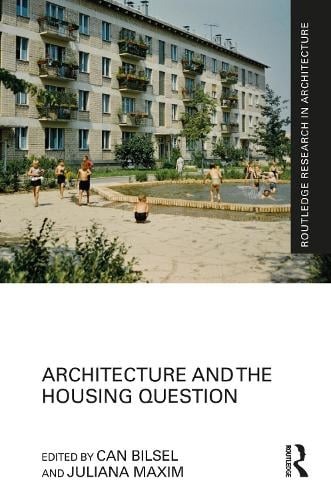
Architecture and the housing question
Examines how the design and provision of housing around the world have become central both to competing political projects and to the architecture profession. How have architects acting as housing experts helped alleviate or enforce class, race, and gender inequality? What are the disciplinary implications of taking on shelter for the multitude as an architectural assignment and responsibility? The book features essays in the historiography of architecture and the housing question, and a collection of historical case studies from Belgium, China, France, Ghana, the Netherlands, Kenya, the Soviet Union, Turkey, and the United States.
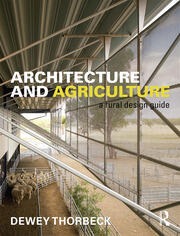
Architecture and agriculture : A rural design guide
Presents architectural guidelines for buildings designed and constructed in rural landscapes by emphasizing their connections with function, culture, climate, and place. Following on from the author’s first book Rural Design, the book discusses in detail the buildings that humans construct in support of agriculture. By examining case studies from around the world including Australia, China, Japan, Norway, Poland, Japan, Portugal, North America, Africa and the Southeast Asia it informs readers about the potentials, opportunities, and values of rural architecture, and how they have been developed to create sustainable landscapes and sustainable buildings for rapidly changing rural futures.
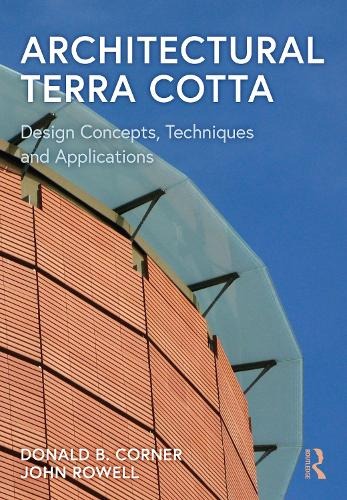
Architectural Terra Cotta : Design concepts, techniques and applications
Examines the evolution of terra cotta and prepares architects and builders to make new, creative uses of the timeless material. Terra cotta is among the oldest of manufactured building products, yet it has once again become a material of choice in contemporary façade design. From the walls of Babylon to high performance rainscreens, terra cotta claddings have repeatedly proven to be technically superior and aesthetically triumphant. Understanding the evolution of terra cotta prepares architects to add new, creative chapters to a rich history.
