



الصفحة 1
الصفحة 1

Treatment of the Obese Patient
The aim of Treatment of the Obese Patient is to inform clinicians of recent advances in obesity research and provide an up-to-date review of current treatment issues and strategies. Divided into two sections, the first section covers new discoveries in the physiological control of body weight, as well as the pathophysiology of obesity. The second section covers a range of issues that are central to the clinical management of obese patient. This volume is a resource that will stimulate and engage clinicians to take part more successfully in the obesity-care process.

The Hidden Messages in Drinking Water and Hydrotherapy
Water is essential for life and maintaining optimal levels of hydration is important for humans to function well. Water makes up a large proportion of our body weight (60% on average), distributed between the intracellular (inside cells) and extracellular (water in the blood and in between cells) compartments. Water is the major component of body fluids, such as blood, synovial fluid (fluid in the joints), saliva and urine, which perform vital functions in the body. The concentration of solutes (osmolality) in body fluids is closely controlled, and even very small changes in osmolality trigger a physiological response; either to increase body water by reducing urinary output and stimulating thirst; or to excrete excess water as urine. Generally, body water is maintained within narrow limits. However, if water losses are not sufficiently replaced, dehydration occurs. Extreme dehydration is very serious and can be fatal. More mild dehydration (about 2% loss of body weight) can result in headaches, fatigue and reduced physical and mental performance. It is also possible to consume too much water and in rare cases this can result in hyponatraemia (low levels of sodium in the blood).

Sugar substitute stevia
Added sugars are a controversial and hotly debated topic. Consumption of added sugars has been implicated in increased risk of a variety of chronic diseases including obesity, cardiovascular disease, diabetes and non-alcoholic fatty liver disease (NAFLD) as well as cognitive decline and even some cancers. Stevia is a naturally sourced, zero-calorie sweetener that has been used as a natural sugar substitute and flavoring ingredient for hundreds of years...

Sugar and skin health
Carbohydrates are an important source of energy for the body. Some types are more healthful than others. For instance, dietary fiber is a carbohydrate that protects heart and gut health, whereas added sugars can lead to an increased risk of type 2 diabetes, heart disease, and overweight, Following a well-balanced diet that includes unprocessed 5carbohydrates, and getting enough sleep and physical activity, are more likely to lead to good health and a healthful body weight than focusing on or eliminating a particular nutrient.

Pharmacotherapy of Obesity
Obesity has become a major epidemic that now rivals smoking as a risk to public health. The ensuing epidemics of diabetes, vascular disease and other complications are set to overwhelm the healthcare systems of wealthy and poorer nations alike. The need for effective pharmacotherapy has never been greater. This book takes a new look at the many potential targets for drug development for regulation of body weight, placing them in the context of the chequered history of drug development for obesity and currently available therapies. Potential peripheral and central nervous system targets are discussed in detail by authors with extensive knowledge and research experience in the science of body weight regulation, and its translation into effective therapies that will benefit patients. This book is of interest to clinicians, researchers in the field and members of the pharmaceutical industry who are interested in learning more about the current state of the art and future directions in the pharmacotherapy of obesity.

Nutraceuticals in obesity management and control
Provides detailed information on nutraceuticals that can be helpful in the control and management of obesity. It clarifies key aspects of nutraceuticals that include sources, extraction, chemistry, mechanisms of action, pharmacology, bioavailability, safety, and various applications. Beginning with a concise overview of the prevalence of obesity, complications related to obesity, and current treatment regimens, the volume delves into the roles of functional foods and nutraceuticals for the management of body weight and for alleviating obesity comorbidities. It goes on to discuss the effect of some of the most commonly and frequently used naturally occurring nutraceutical substances, along with their mechanisms of action in controlling obesity. The volume looks at the role of nutraceutical fruits as well as the beneficial aspects of carotenoids in fruits and vegetables and explores antioxidant-rich nutraceuticals, the role of vitamins and supplements, the use of green tea, and the potential of pseudocereals and spices in the management of metabolic syndrome.
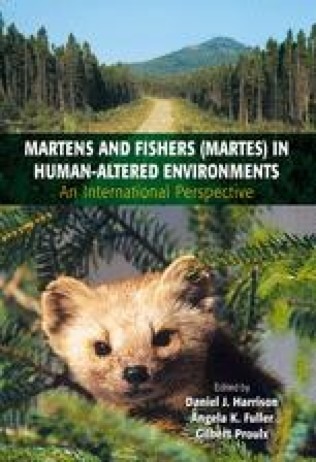
Martens and Fishers (Martes) in human-altered environments : An international perspective
Examines the conditions where humans and martens are compatible and incompatible, and promotes land use practices that allow Martes to be representatively distributed and viable. All Martes have been documented to use forested habitats and 6 species (excluding the stone marten) are generally considered to require complex mid- to late-successional forests throughout much of their geographic ranges. All species in the genus require complex horizontal and vertical structure to provide escape cover protection from predators, habitat for their prey, access to food resources, and protection from the elements. Martens and the fisher have high metabolic rates, have large spatial requirements, have high surface area to volume ratios for animals that often inhabit high latitudes, and often require among the largest home range areas per unit body weight of any group of mammals. Resulting from these unique life history characteristics, this genus is particularly sensitive to human influences on their habitats, including habitat loss, stand-scale simplification of forest structure via some forms of logging, and landscape-scale effects of habitat fragmentation. Given their strong associations with structural complexity in forests, martens and the fisher are often considered as useful barometers of forest health and have been used as ecological indicators, flagship, and umbrella species in different parts of the world. Thus, efforts to successfully conserve and manage martens and fishers are associated with the ecological fates of other forest dependent species and can greatly influence ecosystem integrity within forests that are increasingly shared among wildlife and humans.We have made great strides in our fundamental understanding of how animals with these unique life history traits perceive and utilize habitats, respond to habitat change, and how their populations function and perform under different forms of human management and mismanagement.
