



الصفحة 1
الصفحة 1

Nutrient Acquisition by Plants : An Ecological Perspective
Adaptation and evolution of terrestrial plants depend, to a large extent, on their ability to acquire nutrients. This is a modern and integrative treatment of the mechanisms controlling plant nutrient uptake and how plants respond to changes in the environment. The following key topics are covered: soil nutrient bioavailability; root responses to variations in nutrient supply; nitrogen fixation; regulation of nutrient uptake by internal plant demand; root characteristics; kinetics of nutrient uptake; root architecture; life span; mycorrhizae; responses to climate change. This integrated view helps us to understand the mechanisms that govern present-day plant communities and is indispensable in models designed to predict the response of plants to a changing climate.

Intraspecific Genetic Diversity : Monitoring, Conservation, and Management
Population and evolutionary genetics have been quickly developing ?elds of biological research over the past decades. This book compiles our current understanding of genetic processes in natural populations. In addition, the book provides the author’s original ideas and concepts based on the data obtained by himself and his close coworkers. The author introduces his pioneering concept of population genetic stability,and much of thebook is concerned with the factors and conditions of such stability. Why does genetic stability matter so much? Altukhov argues that the sustainable use of natural resources, including genetic resources of popu- tions, critically depends on the maintenance of their stability. The preser- tion of well-adapted genetic characteristics from one generation to the next is essential for this stability. Traditionally, population genetics has been - cusedonevolution andthe role of evolutionary factorsinshapinggenetic structures of populations. While the idea of a population as a dynamic unit of evolution has been widely accepted, the signi?cance of genetic stability and its implications for the long-term survival of populations and species have not been fully appreciated.

Hugo and Russell's pharmaceutical microbiology
Microbiology is one of the essential pharmaceutical sciences upon which the study and practice of pharmacy is built. It has a bearing on all aspects of the manufacture of medicines and sterile products, from their design and development to their delivery as quality products. Few interventions are more central to modern medicine than the treatment of infection, where antibiosis, vaccination and hygienic practices have essential roles to play. The COVID-19 pandemic, the appearance of new pathogens and the rise of antibiotic resistance have demonstrated most completely the need for pharmaceutical practitioners, researchers and industrial scientists to be fully conversant with this field. The 9th edition of Hugo and Russell’s Pharmaceutical Microbiology has been updated to meet this need. Having long served as the sole comprehensive textbook covering this subject, it has now been adapted to a critical new period in the advancement of medical and pharmaceutical research and development. Its experienced editors have incorporated contributions from subject experts and created a text which will serve the next generation of pharmacy students, pharmaceutical industry scientists and researchers.

Handbook of neurochemistry and molecular neurobiology : Development and Aging Changes in the Nervous System
In the animal nervous system, a very high metabolic turnover, fragile but steep ionic gradients, and morphological and structural constraints - dictated by the necessity for prompt neuronal transmission of electrical impulses and necessary plasticity - result in a highly fragile organ system. Here, we address a small sampling of major constituents of neural function at the cellular and molecular level that play important roles in development and aging, two endogenous processes that embody features of allostasis or the dynamic shifts in set points for specific homeostatic mechanisms associated with development and aging. These chapters stress the dynamic features of neuronal responses to internal (developmental) cues or the more harmful external events (injury and disease) in a modern perspective.

Group B Coxsackieviruses
This monograph reviews information published since 1997 on the group B coxsackieviruses (CVB), a large and important group of human enteroviruses. The CVB were discovered in the mid-20th century, during the search for other poliovirus types, and within a very few years of this discovery, the CVB had been implicated as causes of human myocarditis and pancreatitis. The study of the CVB is still inextricably linked with the fate of their well-known relatives, the polioviruses, for as poliovirus eradication proceeds around the world, the CVB emerge more prominently as the enteroviruses best suited for continuing studies in enteroviral molecular biology as well as understanding the mechanisms underlying enteroviral pathogenesis. This volume reviews and presents modern views on the spectrum of CVB biologies, from interaction of the virus with its receptor through replication, speciation, and induction of disease.

Glycoscience : Chemistry and Chemical Biology I-III
Glycostructures play a pivotal and crucial role in a myriad of organisms and important systems in biology, physiology, medicine, bioengineering and technology. Within recent years tools have been developed to promote the understanding of their highly complex functions and the associated chemistry and chemical biology, however, many facts still remain undiscovered.

Essential microbiology for dentistry
Supports a new generation of dental students in their understanding of microbiom and oral microbiota, basic immunology, oral and systemic infections and cross-infection control. Fully updated throughout with the latest developments in oral microbiology, microbiomics, disease prevention and control, Essential Microbiology for Dentistry will be essential for all undergraduates studying dentistry as well as anyone undertaking postgraduate training.

Endosperm : Developmental and Molecular Biology
This book is the first comprehensive overview of the developmental and molecular biology of endosperm. The text covers cereal endosperm development from fertilization to maturity, including molecular and cell biology of the syncytial phase, the cellularization process and cell fate specification of the embryo surrounding region cells, the basal transfer cells, the starchy endosperm and aleurone cells. In addition, endosperm development in the model species Arabidopsis thaliana is covered, along with recent progress in endosperm in vitro culture. Special features of endosperm, such as imprinting, polyploidy, programmed cell death and anthocyanin biosynthesis, are described in separate chapters. Finally, the genes and pathways for the main nutritional components of endosperm, storage proteins and starch are covered in detail.

Disease in Wild Animals : Investigation and Management
Wildlife diseases have become increasingly important recently due to their effect upon human health, veterinary medicine, wildlife, and conservation biology. Gary Wobeser's successful book from 1994 has been completely updated and enlarged in a new second edition. An in-depth overview of the available techniques for the investigation and management of disease in free-ranging animals is provided. The subjects are illustrated with examples drawn from around the world, with emphasis on the special requirements involved in working with wild animals. Techniques are assessed critically with regard to their efficacy and effectiveness.
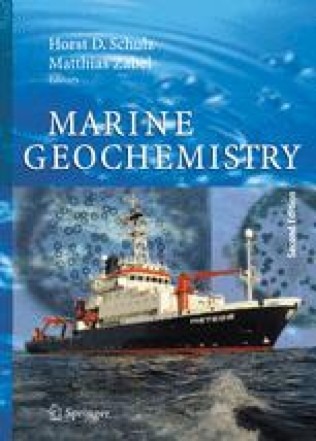
Marine Geochemistry
Since 1980 a considerable amount of scientific research dealing with geochemical processes in marine sediments has been carried out. This textbook summarizes the state of the art in this field of research. The topics comprise the examination of sedimentological and physical properties of the sedimentary solid phase, of pore water and pore water constituents, organic matter as the driving force of most microbiological processes, biotic and abiotic redox reactions, carbonates and stable isotopes as proxies for paleoclimate reconstruction, metal enrichments in ferromanganese nodules and crusts as well as in hot vents and cold seeps on the seafloor. A new chapter describes properties, occurrence and formation of gas hydrates in marine sediments. The textbook ends with a chapter on model conceptions and computer models to quantify processes of early diagenesis.

Lippincott illustrated review microbiology
Enables rapid review and assimilation of large amounts of complex information about medical microbiology. The book has the hallmark features for which Lippincott's Illustrated Reviews volumes are so popular: an outline format, 450 full-color illustrations, end-of-chapter summaries, review questions, plus an entire section of clinical case studies with full-color illustrations. This edition's medical/clinical focus has been sharpened to provide a high-yield review. Five additional case studies have been included, bringing the total to nineteen. Review questions have been reformatted to comply with USMLE Step 1 style, with clinical vignettes

Clinical microbiology made ridiculously simple
Is a brief, clear, thorough, and updated approach to clinical microbiology, brimming with mnemonics, humor, summary charts, and illustrations. Topics include Ebola, AIDS, flesh-eating bacteria, mad cow disease, hantavirus, anthrax, smallpox, and tuberculosis; the latest antibiotics; pandemic flu, including H7N9; SARS-like coronavirus; hepatitis C treatment options; HIV diagnostics and approved HIV meds; Zika virus; measles; and a new chapter on the latest emerging infectious diseases and drug-resistant bacteria. The major update to this book is the addition of a new chapter on the SARS-COV-2 virus and COVID-19 disease, which delves into the nature of the virus such as infectivity within the body, transmission between individuals, timeline of infectivity, symptoms, risk factors, therapeutics, and vaccines approved for use.
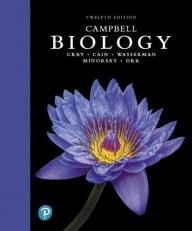
Campbell biology; 12th ed.
Delivers a trusted, accurate, current, and pedagogically innovative experience that guides students to a true understanding of biology. The author team advances Neil Campbell's vision of meeting and equipping students at their individual skill levels by developing tools, visuals, resources, and activities that encourage participation and engage students in their learning. Known for strategically integrating text and artwork, this trusted course solution works hand in hand with Mastering Biology to reinforce key concepts, build scientific skills, and promote active learning.

Campbell biology ; 11th ed.
Biology has always been important, although never as important as it is now. There has also never been a more exciting time to make biology you lifelong passion and career. the author team and those who bought this text to life worked to convey to you the challenges, the wonders and the foundations you will need as a practicing biologist specialising in the Southern Hemisphere and in Australia and New Zealand particularly

Campbell biology : Concepts and connections ; 10th global ed.
An innovative learning experience that addresses how studentslearn today Campbell Biology: Concepts & Connections continuesto introduce pedagogical developments that create an innovative learningexperience and motivate students not only to learn, but also interact withbiology

Biology of the Fungal Cell
"The volume is well illustrated and certainly realizes the primary aim of "The Mycota", namely to highlight developments in both basic and applied research into fungal systems." (Microbiology Today) "The Editors´ aim 'to provide a selected sampling of contemporary topics at the forefront of fungal cell biology' has certainly been achieved. Indeed, it is hard to imagine any mycologist not finding something fascinating in each of the chapters. ... Further, the volume is packed with material that will be extremely useful for those presenting basic courses in mycology - especially because of the many fine explanatory line drawings." (Mycological Research)
Biologie und epidemiologie der hormonersatztherapie : Diskussionen zur postmenopausalen gesundheit = Biology and epidemiology of hormone replacement therapy : Discussions on postmenopausal health
The advantages and disadvantages of hormone replacement therapy (HRT) are discussed by a group of experts with regard to the epidemiological evidence. However, the focus of the discussion is the problem of breast cancer risk. Among other things, it is shown that the results derived from epidemiological studies do not coincide with the growth characteristics of these tumors, so that further population studies with the inclusion of pathobiological expertise appear necessary. The benefits and risks of hormone replacement therapy (HRT) are discussed by a group of experts with a view towards the evidence provided by recent epidemiological studies. Although all aspects of HRT indications and contra-indications are reviewed, the particular emphasis of this discussion is on breast cancer. Among other things, it is shown that the evidence on breast cancer provided in epidemiological studies does not match the growth characteristics of the tumors, and that further population research incorporating pathobiological assessments is required.

Biological Invasions
This new volume on Biological Invasions deals with both plants and animals. It differs from previous books on the subject by extending from the level of individual species to an ecosystem and global level. Topics of highest societal relevance, such as the impact of genetically modified organisms, are interlinked with more conventional ecological aspects, including biodiversity. The combination of these approaches is new and makes compelling reading for researchers and environmentalists. The book’s 22 chapters cover a huge range of subjects relevant to the field. These include pathways of biological invasions (e.g. ballast water, waterways), traits of successful invaders (e.g. chemical weapons, empty niches), and patterns of invasion and invasibility, such as man-induced predisposition by fire, land use and eutrophication, and the role of climate change.
Bio-informatique moléculaire : Une approche algorithmique = Molecular bioinformatics : An algorithmic approach
Deals with genetic maps, from the problem of sequence comparison and alignment, including DNA chips and genomic rearrangement. It thus covers a wide variety of topics relating to algorithmic and combinatorial processing of questions arising from molecular bioinformatics and biotechnology.
Bioactive Materials in Dentistry : Remineralization and Biomineralization
Addresses the use of different bioactive materials in dentistry, considering the performance of these biomaterials in the hard tissues of the tooth, and the response of the dental pulp, as well as the influence of the composition of these materials and of the individual’s systemic alterations in bioactivity and in antimicrobial activity. The several in vivo and in vitro tests to evaluate the bioactivity of a biomaterial will also be addressed.
