



الصفحة 1
الصفحة 1

Fungi as an Alternative Source of Anticancer and Antioxidant
Fungi are an " excellent but underexplored source " for new therapeutic compounds. The limited availability of bioactive principles in plant sources could be surpassed by exploiting the chemical entities in the endophytes fungi . fungi represent a rich source of bioactive metabolite that can manipulated to produce desirable novel analogs. In addition to the active substances that can be extracted from the fungi, so that they are useful in several mechanisms. Exploring and exploiting of metabolites from endophytic in terrestrial, mangrove and marine habitats may provide an avenue for discovery of drug candidates against deadly human disease. This review focuses on the production of antioxidant and anticancer from severa fungi habitats.

Exogenous and endogenous factors affecting happiness, happy mind, happy life
Emotions are the language of the soul. Our brain is the emotional center where every emotion is produced including happiness. Happiness underlying factors are considerable from two dimensions: endogenous factors and exogenous factors Therefore, this research aimed to consider biological factors that underlie happiness. The research is divided into several sub-groups (brain, genetics, neurotransmitters, endocrinology, hormones, drugs, diseases, and other exogenous factors). In spite of difficulties in finding special genes, several genes distributed to emotion and mood. Neuroscience studies showed that some part of brain (e.g. amygdala, hipocamp and limbic system) and neurotransmitters (e.g. dopamine, serotonin, norepinefrine and endorphin) play a role in control of happiness. A few studies pointed to the role of cortisol and adrenaline (adrenal gland) and oxitocin (pituitary gland) in controlling happiness.

Equidosimetry : Ecological Standardization and Equidosimetry for Radioecology and Environmental Ecology
Considerable experience with radioecological and related ecological research on terrestrial and aquatic ecosystems has been achieved, especially after the Chernobyl accident. The combined effects of the radiation, chemical and biological factors, after a contamination of the environment and during its remediation have shown an interactive complexity that highlights the need for equidosimetrical evaluations of the influence of the various stressors and the need for their ecological normalization. In radioecology and radiation protection, methods of radiation dosimetry are key for dose assessment. It is therefore highly desirable to develop a clear theoretical approach as well as a practical method of equidosimetry that would allow for an ecological normalization of the different stressors in unified uniform units, especially for comparison purposes.

Effect of antioxidants in plant extracts and free radicals on blood sample
Antioxidants are substances that inhibit and regulate the formation of free radicals, and prevent or slow down the damage to cells caused by free radicals. There is a balance between antioxidants and free radicals throughout the body, and free radicals become dangerous when the balance is disturbed Free radicals play a key role in many physiological decisions in cells. Since free radicals are toxic to cellular components, it is known that they cause DNA damage, contribute to DNA instability and mutation and thus favor carcinogenesis.Low levels of free radicals and steady state levels of antioxidant enzymes are responsible for the fine tuning of redox status inside cells. A change in redox state is a way to modify the physiological status of the cell.Many healthful foods contain antioxidants. If a person consumes some or all of these foods regularly, they may increase their antioxidant levels, potentially helping them prevent the damage that doctors associate with oxidative stress.

Drug disposition and pharmacokinetics : Principles and applications for medicine, toxicology and biotechnology
Delivers an authoritative and comprehensive discussion of the fate of drug molecules in the body, as well as its implications for pharmacological and clinical effects. The text offers a unique and balanced approach that combines discussion of the specific physical and biological factors affecting the absorption, distribution, metabolism, and excretion of drugs, with mathematical assessments of plasma and body fluid concentrations. The book assumes little prior knowledge and is an ideal reference for practicing professionals in industry as well as researchers and academics.
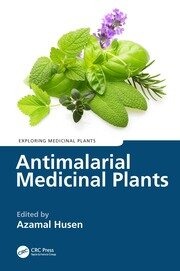
Antimalarial medicinal plants
Malaria continues to affect a large population of the world, especially in third world countries. The spread of drug-resistant parasites demonstrates the need for antimalarial agents with various modes of action. The search for remedies derived from medicinal plants for the treatment of malaria is reliant on accurate ethnobotanical and ethnopharmacological information obtained from traditional medical practitioners. Antimalarial Medicinal Plants provides information on bioactive compounds and therapeutic potentials of several antimalarial plant species found around the globe. This book evaluates these plant species with respect to their biology, diversity, distribution, and pharmacological values.
