



الصفحة 1
الصفحة 1

Natural poisons and venoms: Plant toxins : Polyketides, phenylpropanoids and further compounds
Biogenic toxins are fascinating natural products characterized by an enormous diversity of chemical structures and pharmacological activities. They not only pose hazards to humans and animals, but they are important components in the interplay of substances and living beings in nature and, moreover, important sources for new drugs.

Natural poisons and venoms : Animal toxins
Biogenic toxins are fascinating natural products characterized by an enormous diversity of chemical structures and pharmacological activities. They not only pose hazards to humans and animals, but they are important components in the interplay of substances and living beings in nature and, moreover, important sources for new drugs.

Natural poisons and venom : Plant toxins : Terpenes and steroids
Biogenic toxins are fascinating natural products characterized by an enormous diversity of chemical structures and pharmacological activities. They not only pose hazards to humans and animals, but they are important components in the interplay of substances and living beings in nature and, moreover, important sources for new drugs.

Molluscs : From Chemo-ecological Study to Biotechnological Application
Marine molluscs are very promising candidates for a wide range of biotechnological applications. For example, they possess analgesic drugs more potent than morphine and very effective anticancer agents. The present book gives an up-to-date overview of the main classes of bioactive compounds from molluscs, moving from ecological observations, to chemical characterization, to biosynthesis, to large-scale synthesis, and to pharmacological applications. A truly outstanding international panel of experts from all continents provides complete coverage of the most stimulating topics related to molluscs. This knowledge of their history and current studies provides an open door to the future.
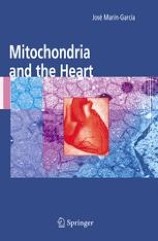
Mitochondria and the Heart
The function of the heart is highly dependent on oxidative energy that is generated in mitochondria. Defects in mitochondrial structure and function can be found in association with cardiovascular diseases. Mitochondria and the Heart discusses the role that mitochondria plays in cardiovascular disease, including biogenesis and function of cardiac mitochondria during normal growth, development and aging. In addition, nonbioenergetic, biogenesis and degradation pathways are explored. Understanding these pathways and the effects that mitochondrial defects have in cardiac pathology is extremely important in establishing the diagnosis and treatment of mitochondrial-based cardiac diseases.

Innovative bioceramics in translational medicine II : Surgical applications
Highlights the latest advances in innovative bioceramics applied in the highly interdisciplinary area referred to as “translational medicine”. This volume predominantly written by surgeons in the fields of craniomaxillofacial, orthopedics, and spinal surgery, examines the translation of innovative bioceramics and bioceramics-based composite from the laboratory to a personalized surgical environment for the repair of damaged and diseased bone tissues.

Hydrogenosomes and Mitosomes : Mitochondria of Anaerobic Eukaryotes
"Hydrogenosomes and Mitosomes: Mitochondria of Anaerobic Eukaryotes" provides a summary of the current knowledge of these organelles, which occur in unicellular, often parasitic organisms, including human pathogens. The distribution of these organelles is broad, but they were detected primarily in an anoxic habitat or nutrient rich intracellular niche that permits life without the efficient energy generating system of typical mitochondria. Their common characteristic is that they lack the aerobic energy conservation system of typical mitochondria and that they are usually the site of the synthesis of iron-sulfur clusters, regarded as the only indispensable function of eukaryotic mitochondria.These mitochondria-related organelles exhibit a variety of structures and functions. This work describes properties such as protein import, structure, metabolism, adaptation, proteome and their role in drug activation and resistance. Further topics include the evolution and biogenesis of these organelles.

Handbook of plant and animal toxins in food : Occurrence, toxicity, and prevention
Focuses on various selected toxins in foods derived from plants as well as animals. The prominent plant toxins include solanine and chaconine, mushroom toxins, phytates, tannins, oxalates, goitrogens, gossypol, phytohemagglutinins, erucic acid, saponins, cyanogenic glycosides, enzyme inhibitors, BOAA (lathyrogens), toxic amino acids and toxic fatty acids. The prominent animal toxins covered in the book include various seafood toxins, shellfish toxins and biogenic amines. Presents complete information about a plethora of toxins Provides quick and easy access to data on major plant and animal toxins Covers distribution of toxins in the plant and animal kingdom Provides comprehensive information on chemistry, safety and precautions of each toxin

Genetic Engineering : Principles and Methods
Genetic Engineering: Principles and Methods presents state-of-the-art discussions in modern genetics and genetic engineering. Recent volumes have covered gene therapy research, genetic mapping, plant science and technology, transport protein biochemistry, and viral vectors in gene therapy, among many other topics.

Fundamentals of Pharmacognosy and Phytotherapy
Pharmacognosy (the science of biogenic or nature-derived pharmaceuticals and poisons) has been an established basic pharmaceutical science taught in institutions of pharmacy education for over two centuries. Over the past 20 years though it has become increasingly important given the explosion of new drugs, phytomedicines (plant medicines), nutraceuticals and dietary supplements – all of which need to be fully understood, tested and regulated.

Fine-Tuning of RNA Functions by Modification and Editing
This book provides advance information on RNA modification, including the associated editing machinery, while offering the reader some perspective on the significance of such modifications in fine-tuning the structure and functions of mature RNA molecules and hence the ability to influence the efficiency and accuracy of genetic expression.

Exosomes based drug delivery strategies for brain disorders
Provides a comprehensive overview of the role of exosomes in brain diseases, including stroke, multiple sclerosis, Parkinson's disease, Alzheimer's disease, epilepsy, and depression. It covers the basics of exosome biogenesis, composition, and synthesis, as well as the therapeutic potential of exosomes in brain disorders. The correlation between exosomes and neuroinflammation, the challenges of using exosomes as a novel carrier, and engineered exosomes to deliver therapeutic protein are covered well in this book. Use of radiolabelled exosomes as a diagnostic tool and the toxicity studies of exosomes with potential overcome approaches. It is an essential resource for researchers, clinicians, and healthcare professionals working in the field of exosome research, especially on its applications in brain disorders.
Magnetoreception and Magnetosomes in Bacteria
Recent developments in the research on magnetotactic bacteria are presented in this volume. Included are reviews on the formation and organization of magnetosomes, the genes controlling magnetosome biomineralization, and new cryogenic techniques to visualize novel cytoskeleton structures. Described here are potential nanobiotechnological applications of the magnetosome crystals, which have magnetic and crystalline characteristics unmatched by their inorganic counterparts.
Lysosomes
This book summarizes the current state-of-the art knowledge about this unique organelle. It addresses the biogenesis of this compartment, the transport of lysosomal proteins, the role of the lysosomal membrane in lysosomal stability and transport, the function of lysosomal proteases and hydrolases, lysosomal storage disorders, and new concepts on how to treat these diseases.

Circular RNAs
Guide readers through circular RNA purification, in silico characterization, circRNA detection, sequence validation, quantification , techniques related to gain- and loss-of-function approaches, circular RNA synthesis, split ligation, engineering, nanoparticle packaging, RNA modifications on circular RNA biogenesis, RNA translation potential, and vaccines based on circular RNAs.
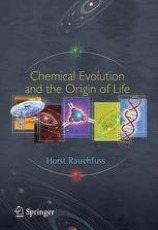
Chemical Evolution and the Origin of Life
Up to now, we do not have a generally accepted theory about the origin of life and about the process of development of life, we only have a great number of - to some extent even contradictory – hypotheses. Meanwhile there came up some scientific findings beyond thought only a few years ago.Horst Rauchfuss is comparing the different theories from the view of the latest results and is giving an exciting and easy understandable insight into the present state of research.
Chaperones
Molecular chaperones interact with virtually every newly synthesized protein. Their role is not limited to this, as an increasing number of protein-protein interactions are found to be mediated by molecular chaperones. They reside in large complexes, in every cellular compartment, and to some extent even outside cells. These proteins are of interest to a large number of scientists, not only to those interested in protein biosynthesis, but also in relation to protein transport, organelle biogenesis, and cell stress.
Cellulose : Molecular and Structural Biology : Selected Articles on the Synthesis, Structure, and Applications of Cellulose
Cellulose: Molecular and Structural Biology is an up-to-date treatise on the most advanced and provocative research into the biosynthesis, structure, and applications of nature’s most abundant macromolecule and renewable resource, cellulose.Molecular, biochemical, and evolutionary aspects of cellulose biosynthesis are reviewed in a variety of living organisms, including cyanobacteria, eubacteria, (Acetobacter, Salmonella, and E. coli), vascular plants (including Arabidopsis, forest trees, and maize), and tunicates.
Cell and Molecular Biology of Plastids
The present book provides a comprehensive overview of our current knowledge on plastid biogenesis, plastid-nuclear communication, the regulation of plastid gene expression at all levels, and also assesses the state of the art in key technologies, such as proteomics and chloroplast transformation. Written by recognized experts in the field, it covers plastid differentiation and division, genome structure and function, plastid inheritance, recombination, DNA replication and repair, transcription, RNA processing and translation as well as crucial posttranslational processes in plastid biogenesis and function, including protein processing, the assembly of multiprotein complexes, protein stability and degradation, protein import and sorting.

Carbon in the Geobiosphere : Earth's outer shell
Carbon and carbon dioxide always played an important role in the geobiosphere that is part of the Earth’s outer shell and surface environment. The book’s eleven chapters cover the fundamentals of the biogeochemical behavior of carbon near the Earth’s surface, in the atmosphere, minerals, waters, air-sea exchange, and inorganic and biological processes fractionating the carbon isotopes, and its role in the evolution of inorganic and biogenic sediments, ocean water, the coupling to nutrient nitrogen and phosphorus cycles, and the future of the carbon cycle in the Anthropocene. This book is mainly a reference text for Earth and environmental scientists; it presents an overview of the origins and behavior of the carbon cycle and atmospheric carbon dioxide, and the human effects on them. The book can also be used for a one-semester course at an intermediate to advanced level addressing the behavior of the carbon and related cycles.
