



الصفحة 1
الصفحة 1

Herbal bioactive-based drug delivery systems ; 1st ed.
Provides a wide-ranging, in-depth resource for herbal bioactives, including detailed discussion of standardization and regulations. The book first explores specific drug delivery systems such as gastrointestinal, ocular, pulmonary, transdermal, and vaginal and rectal. It then discusses novel applications for nano, cosmetics, nutraceuticals, wound healing and cancer treatment. Finally, there is a section focusing on standardization and regulation which includes an enhancement of properties. This book is an essential resource for pharmacologists, pharmaceutical scientists, material scientists, botanists, and all those interested in natural products and drug delivery systems developments.

Drugs and a methodological compendium : From bench to bedside
Provides a meticulous view on methodological drug discovery and development insights from bench to bedside. Focus on computational modus operandi, pharmacological optimization approaches, modern high-throughput screening methods and in-vitro procedures, role of structural biologists in drug discovery and development, medicinal chemistry approaches for drug design, formulation and drug delivery, in-vivo evaluations of candidate molecules, clinical trial procedures and others. Covers specific case studies, regulatory approval proceedings, and industrial view point alongside the aforementioned conceptual layout. And at the same time, the volume integrates medical, biological, medicinal, pharmacological and computational streams, and it is suggested as an ideal guideline to a wide audience including molecular biologists, biochemist, pharmacologists, medicinal chemist, toxicologists, drug discovery and development researchers, and all other students interested in these disciplines.
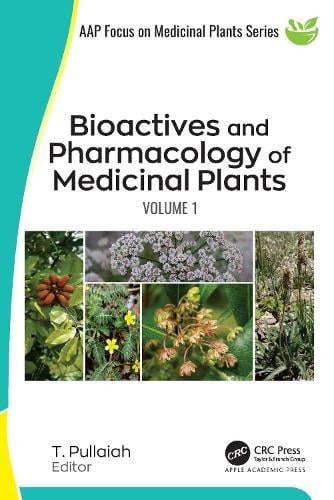
Bioactives and pharmacology of medicinal plants : Vol.1
Bioctives and Pharmacology of Medicinal Plants, concisely presents an abundance of important information on the bioactive and pharmacological properties of medicinal plants. It provides valuable comprehensive research and studies on bioactive phytocompounds of over 68 important medicinal plants with beneficial properties. For each species included in the volume, a brief introduction is given along with their bioactive compounds and chemical structures, followed by their chief pharmacological activities that include antiviral, antimicrobial, antioxidant, anti-cancer, anti-inflammatory, antidiabetic, hepatoprotective, nephroprotective, and cardioprotective activities. A review of the published literature on pharmacological activities on each species is included also, providing a thorough resource on each of the plants covered in the volume.
Bioactives and pharmacology of Legumes
A variety of bioactives and therapeutics from the legume family (Fabaceae or Leguminosae) are thoroughly detailed. For each species included in the volume, a brief introduction is given, the plant’s bioactive compounds are listed, and its chemical structures shown, followed by their pharmacological activities. Many of these plants have medicinal activities that include antiviral, antimicrobial, antioxidant, anticancer, anti-inflammatory, and antidiabetic, hepatoprotective, nephroprotective and cardioprotective. The biochemical characteristics of the 37 plants included, such as the type of starch, protein, and fibers, can be exploited as binders, excipients, thickeners, and dispersants in the formulation of various products in the pharmaceutical industry. The published literature on the pharmacological activities on each species is reviewed and presented in a concise and clear manner.
Bioactives and pharmacology of lamiaceae
Provides a wealth of information on plants in the Lamiaceae family, noted for their essential oils and bioactives and pharmacological properties. The chapters investigate a wide variety of species, providing for each an introduction, characteristics, properties, distribution, traditional uses, and current and potential pharmacological applications. Aiming to be a resource for the development of new drugs based on species within the Lamiaceae family, the volume discusses 26 species, including bungleweed (Ajuga), Malabar catmint (Anisomeles malabarica), beechwood (Gmelina arborea), Brazilian mint (Hyptis crenata), rosemary (Rosmarinus officinalis L.), holy basil (Ocimum tenuiflorum), and many more.
