



الصفحة 1
الصفحة 1

Natural Products Targeting Clinically Relevant Enzymes
Covers the full spectrum of clinically relevant enzymes that are known to be targeted by natural products. Key enzymes include acetylcholine esterase, angiotensin-I-converting enzyme, cyclooxygenase, dihydrofolate reductase, phospholipase A2, respiratory complexes, and many more. By connecting the diversity of medicinal natural product sources with their potential clinical applications, this volume serves as a companion for the medicinal chemist looking for innovative small molecule compounds as well as for pharmacologist interested in the clinical effects and mode of action of herbal and traditional medicines.

Nanopharmaceuticals ; Vol.1 : Expectations and realities of multifunctional drug delivery systems
Reviews advances in the drug delivery field via nanovehicles or nanocarriers that offer benefits like targeted therapy and serves as a single dose magic bullet for multiple drug delivery with improved drug efficiency at a lower dose, transportation of the drug across physiological barriers as well as reduced drug-related toxicity. The chapters are written by a diverse group of international researchers from industry and academia. The series Expectations and Realities of Multifunctional Drug Delivery Systems examines the fabrication, optimization, biological aspects, regulatory and clinical success of wide range of drug delivery carriers. This series reviews multifunctionality and applications of drug delivery systems, industrial trends, regulatory challenges and in vivo success stories. Throughout the volumes discussions on diverse aspects of drug delivery carriers, such as clinical, engineering, and regulatory, facilitate insight sharing across expertise area and form a link for collaborations between industry-academic scientists and clinical researchers. Expectations and Realities of Multifunctional Drug Delivery Systems connects formulation scientists, regulatory experts, engineers, clinical experts and regulatory stake holders. The wide scope of the book ensures it as a valuable reference resource for researchers in both academia and the pharmaceutical industry who want to learn more about drug delivery systems.

Molluscs : From Chemo-ecological Study to Biotechnological Application
Marine molluscs are very promising candidates for a wide range of biotechnological applications. For example, they possess analgesic drugs more potent than morphine and very effective anticancer agents. The present book gives an up-to-date overview of the main classes of bioactive compounds from molluscs, moving from ecological observations, to chemical characterization, to biosynthesis, to large-scale synthesis, and to pharmacological applications. A truly outstanding international panel of experts from all continents provides complete coverage of the most stimulating topics related to molluscs. This knowledge of their history and current studies provides an open door to the future.

Molecular mechanisms of functional food
Provides information on the development and validation of functional foods towards their market and industrial application. It covers the available information on developments, efficacy, and testing and safety, while demonstrating the proven or potential effects of food on health and disease.

Modern natural product synthesis
Describes the details of the synthesis routes including unexpected reactions and syntheses. By presenting detailed stories behind the total synthesis developments, including those routes that were unsuccessful the book provides the reader with a better understanding of how other researchers devise their strategy and overcome difficulties in their studies. The contributions in the book have focused on highlighting the research from Japan however it is appealing to researchers and students worldwide. This compilation of cutting-edge natural product synthesis provides high-quality expertise, especially to graduate students and young researchers, regarding research on synthetic organic chemistry. It can be utilized as teaching material in university seminars as well as provide guidance to researchers in the area of total synthesis.

Medicinal spice and condiment crops
Spices are used in small quantities to add flavor, aroma, color, and texture in food preparation. However, spices and condiments have also been recognized as having medicinal value. They have been used traditionally as curative and preventive agents, the bioactive compounds obtained from these plants are used in herbal drug formulations in modern times.

Medicinal roots and tubers for pharmaceutical and commercial applications
The root and tuber are vital parts of medicinal plants providing mechanical support, producing critical growth regulators, and storing food. Bioactive compounds obtained from plant roots and tubers demonstrate health benefits presenting antioxidative, antimicrobial, hypoglycaemic, hypocholesterolaemic, and immunomodulatory properties. Roots of many medicinal plants have been used for the treatment of disease and formulation of drugs, and they are also known for their commercial value, being used as an ingredient in the pharmaceutical and cosmetic industries.

Medicinal compounds in modern healthcare : From tradition to innovation
Reviews the evolution, development, and application of medicinal compounds, beginning with their historical context and advancing to modern innovations. The book describes the therapeutic potential of bioactive compounds from microorganisms, the role of antioxidants and anti-inflammatory agents in managing chronic diseases, and the use of small molecules in pain management and mental healthcare. It further explores immunomodulatory compounds, epigenetic modifiers, and the latest advancements in drug development, including integrative medicine approaches and the applications of nanotechnology in traditional medicine. Additionally, the book addresses the use of immunomodulatory agents like methotrexate and paclitaxel in cancer treatment, regulatory considerations for ensuring safety and efficacy in medicinal compounds, and the growing field of nutraceuticals. Towards the end, the book covers the extraction, profiling, and ADMET evaluation of medicinal compounds, intellectual property challenges, and the significance of traditional medicine in modern healthcare.

Herbal pharmacopeia : Nanotechnology and advancing drug
Explores the intersection between traditional herbal medicine and cutting-edge nanotechnology. The chapters introduce modern techniques used in herbal extraction and analysis. The principles of drug discovery from plants are discussed, with a focus on the identification and development of bioactive compounds that have therapeutic potential. It discusses the pharmacological properties, biotechnological approaches in drug development, and challenges in the formulation and standardization of herbal medicines. Emerging trends and applications of nanotechnology in herbal pharmacotherapy, such as nanoparticle synthesis, enhanced bioavailability using nanocarriers, safety assessments, novel and targeted delivery systems, and regulatory considerations, are thoroughly discussed. Additionally, it includes a comparative analysis of traditional and nano-formulated approaches and their implementation in clinical settings. Towards the end, the book reviews the regulatory considerations for herbal products and future perspectives in herbal pharmacopeia. This book is intended for researchers, clinicians, and professionals in herbal medicine, pharmacology, and nanotechnology.

Handbook of nutraceuticals and natural products : Biological, medicinal, and nutritional properties and applications ; 2 Volume set
Describes the preparation techniques and functional uses of nutraceuticals and natural products with a focus on the technologies involved. The book includes coverage of the biological, medicinal, and nutritional properties and applications of functional foods, as well as the advanced technologies used in the extraction and functionalization of nano components and the nanomaterial and nanochemical aspects of the products.

Handbook of nanoencapsulation : Preparation, characterization, delivery, and safety of nutraceutical nanocomposites
Nutraceutical encapsulation envelopes protection of products from oxidative damage, controlled delivery of nanoencapsulated nutraceuticals and improved nutraceutical bioavailability as well as biological action. It is a promising technique to ensure the stabilization of such labile compounds and to protect the core ingredients from premature reactions and interactions In a comprehensive manner, the Handbook of Nanoencapsulation: Preparation, Characterization, Delivery and Safety of Nutraceutical Nanocomposites presents various nanosystems/nanocarriers, physical and chemical techniques used in encapsulation of various nutraceuticals, and the targeted delivery of various significant nutraceuticals.

Food preservation and safety of natural products
Food Preservation and Safety of Natural Products addresses the most common causes of food spoilage that create significant loss to global food production while also discussing how food serves as a vehicle for the transmission of pathogenic microorganisms responsible for mild to debilitating health conditions in humans. The book provides essential information for food safety professionals on issues relating to foodborne diseases and offers potential solutions by presenting various methods of incorporating natural products in food production to prevent the spread of foodborne pathogenic organisms. The demand for green consumerism and consumers general distaste for synthetic food additives poses a serious challenge to food safety and preservation. Natural products are used as green and sustainable source of bioactive compounds that can be applied in various fields including food. The use of plant and other natural products in food preservation is on the rise, hence this book reviews microbial mediated food spoilage, foodborne pathogens and food contamination and offers applications of natural products in food preservation.

Evaluation of the use of medicine plants in cancer treatment
Turmeric (Curcuma longa) and ginger (Zingiber officinale) have been widely studied for their potential anticancer effects, primarily due to the bioactive compounds curcumin and gingerol. Both compounds exhibit significant therapeutic properties, including anti-inflammatory, antioxidant, pro-apoptotic, and anti-angiogenic activities, which target key pathways implicated in cancer progression, such as NF-κB, STAT-3, and mTOR. Through these mechanisms, curcumin and gingerol inhibit tumor growth, reduce metastasis, and enhance the efficacy of conventional cancer treatments.

Echinodermata
Members of the phylum Echinodermata are among the most familiar marine invertebrates. Forms such as the sea star have become virtually a symbol of sea life. Used in ancient oriental medicine as a source of bioactive compounds, sea cucumbers, sea stars and sea urchins are now used for the extraction and purification of cytotoxic, haemolytic, antiviral, antifungal, antifouling, antimicrobial and even anti-tumoural activities.

Cosmeceuticals as Game Changers in the Cosmetic Industry
Objectives of this work is to compare conventional cosmetics to biotechnology derived cosmeceuticals in terms of skin anti-aging, skin color modulation and hair growth, and to find out which is of greater overall performance. Research revealed superiority of cosmeceuticals to classical cosmetics as it was found that many classical cosmetic agents used for aesthetical purposes posed a certain level of either ineffectiveness, for the reason that the effect did not treat the cause of the problem and was merely temporary and external, or harmfulness because of proposed potential health risks and adverse effects. Whereas cosmeceuticals presented promising novel mechanisms and compounds for a deeper, more thorough remedy.

Chemical and functional properties of food components
Described the contents of food raw materials and products, the chemistry/biochemistry of food components, as well as the changes occurring during post-harvest storage and processing affecting the quality of foods. Discusses the role of chemical compounds in the structure of raw materials and the formation of different attributes of food quality, including nutritional value, safety, and sensory properties. It contains four new chapters: “Non-Protein Nitrogenous Compounds”; “Prooxidants and Antioxidants in Food”; “Non-Nutritive Bioactive Compounds in Food of Plant Origin”; and “Analytical Methods Used for Assessing the Quality of Food Products.”
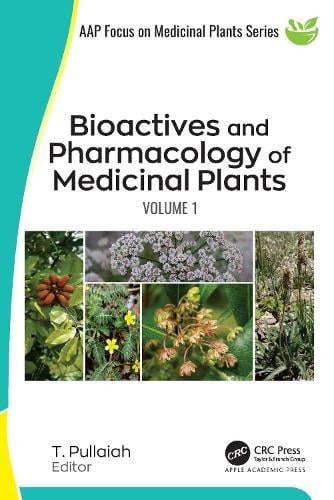
Bioactives and pharmacology of medicinal plants : Vol.1
Bioctives and Pharmacology of Medicinal Plants, concisely presents an abundance of important information on the bioactive and pharmacological properties of medicinal plants. It provides valuable comprehensive research and studies on bioactive phytocompounds of over 68 important medicinal plants with beneficial properties. For each species included in the volume, a brief introduction is given along with their bioactive compounds and chemical structures, followed by their chief pharmacological activities that include antiviral, antimicrobial, antioxidant, anti-cancer, anti-inflammatory, antidiabetic, hepatoprotective, nephroprotective, and cardioprotective activities. A review of the published literature on pharmacological activities on each species is included also, providing a thorough resource on each of the plants covered in the volume.
Bioactives and pharmacology of Legumes
A variety of bioactives and therapeutics from the legume family (Fabaceae or Leguminosae) are thoroughly detailed. For each species included in the volume, a brief introduction is given, the plant’s bioactive compounds are listed, and its chemical structures shown, followed by their pharmacological activities. Many of these plants have medicinal activities that include antiviral, antimicrobial, antioxidant, anticancer, anti-inflammatory, and antidiabetic, hepatoprotective, nephroprotective and cardioprotective. The biochemical characteristics of the 37 plants included, such as the type of starch, protein, and fibers, can be exploited as binders, excipients, thickeners, and dispersants in the formulation of various products in the pharmaceutical industry. The published literature on the pharmacological activities on each species is reviewed and presented in a concise and clear manner.
Bioactives and pharmacology of lamiaceae
Provides a wealth of information on plants in the Lamiaceae family, noted for their essential oils and bioactives and pharmacological properties. The chapters investigate a wide variety of species, providing for each an introduction, characteristics, properties, distribution, traditional uses, and current and potential pharmacological applications. Aiming to be a resource for the development of new drugs based on species within the Lamiaceae family, the volume discusses 26 species, including bungleweed (Ajuga), Malabar catmint (Anisomeles malabarica), beechwood (Gmelina arborea), Brazilian mint (Hyptis crenata), rosemary (Rosmarinus officinalis L.), holy basil (Ocimum tenuiflorum), and many more.
Bioactive Materials in Dentistry : Remineralization and Biomineralization
Addresses the use of different bioactive materials in dentistry, considering the performance of these biomaterials in the hard tissues of the tooth, and the response of the dental pulp, as well as the influence of the composition of these materials and of the individual’s systemic alterations in bioactivity and in antimicrobial activity. The several in vivo and in vitro tests to evaluate the bioactivity of a biomaterial will also be addressed.
