



الصفحة 1
الصفحة 1

Glucose-6-phosphate dehydrogenase deficiency
Glucose-6-phosphate dehydrogenase deficiency, the most common enzyme deficiency worldwide, causes a spectrum of disease including neonatal hyperbilirubinemia, acute hemolysis, and chronic hemolysis. Persons with this condition also may be asymptomatic. This X-linked inherited disorder most commonly affects persons of African, Asian, Mediterranean, or MiddleEastern descent. Because acute hemolysis is caused by exposure to an oxidative stressor in the form of an infection, oxidative drug, or fava beans, treatment is geared toward avoidance of these and other stressors.

Jaundice
Jaundice in an adult patient can be caused by a wide variety of benign or life-threatening disorders. Organizing the differential diagnosis by prehepatic, intrahepatic, and posthepatic causes may help make the work-up more manageable. Prehepatic causes of jaundice include haemolysis and hematoma resorption, which lead to elevated levels of unconjugated (indirect) bilirubin. Intrahepatic disorders can lead to unconjugated or conjugated hyperbilirubinemia. The conjugated (direct) bilirubin level is often elevated by alcohol, infectious hepatitis, drug reactions, and autoimmune disorders. Posthepatic disorders also can cause conjugated hyperbilirubinemia. Gallstone formation is the most common and benign posthepatic process that causes jaundice; however, the differential diagnosis also includes serious conditions such as biliary tract infection, pancreatitis, and malignancies.

Jaundice
• Physiologic Anatomy Liver • HEMOGLOBIN FORMATION • Formation and Fate of Urobilinogen • Jaundice—Excess Bilirubin in the Extracellular Fluid • Hemolytic Jaundice Is Caused by Hemolysis of Red Blood Cells • Obstructive Jaundice Is Caused by Obstruction of Bile Ducts or Liver Disease • Diagnostic Differences Between Hemolytic and Obstructive Jaundice • Infant jaundice • Prolonged unconjugated hyperbilirubinemia associated with breast milk and mutations of the bilirubin uridine diphosphate-glucuronosyltransferase gene • Acute bilirubin encephalopathy • Hepatitis (A + B + C) • Immune system abnormaly • Jaundice in the adult
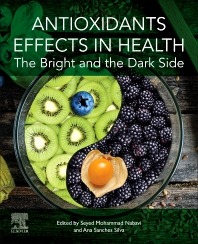
Antioxidants effects in health : The bright and the dark side ; 1st ed.
Examines the role that antioxidants play in a variety of health and disease situations. The book discusses antioxidants’ historical evolution, their oxidative stress, and contains a detailed approach of 1) endogenous antioxidants, including endogenous sources, mechanisms of action, beneficial and detrimental effects on health, in vitro evidence, animal studies and clinical studies; 2) synthetic antioxidants, including sources, chemistry, bioavailability, legal status, mechanisms of action, beneficial and detrimental effects on health, in vitro evidence, animal studies and clinical studies; and 3) natural antioxidants, including sources, chemistry, bioavailability, mechanisms of action, possible prooxidant activity; beneficial and detrimental effects on health, in vitro evidence, animal studies and clinical studies. Throughout the boo, the relationship of antioxidants with different beneficial and detrimental effects are examined, and the current controversies and future perspectives are addressed and explored. Antioxidants Effects in Health: The Bright and the Dark Side evaluates the current scientific evidence on antioxidant topics, focusing on endogenous antioxidants, naturally occurring antioxidants and synthetic antioxidants. It will be a helpful resource for pharmaceutical scientists, health professionals, those studying natural chemistry, phytochemistry, pharmacognosy, natural product synthesis, and experts in formulation of herbal and natural pharmaceuticals.
