



الصفحة 1
الصفحة 1

New and Evolving Infections of the 21st Century
This new volume of the Emerging Infectious Diseases of the 21st Century Series, has complied a collection of chapters by leading authorities of the world on emerging & evolving infections that is a must read for anyone interested in this topic. The chapters by reknown experts have provided a wealth of up-date information, such as clinical spectrum of disease, epidemiology, pathogenesis, diagnosis, management, prevention and future research.

National Institute of Allergy and Infectious Diseases, NIH ; Vol.1 : Frontiers in Research
National Institute of Allergy and Infectious Diseases, NIH: Volume 1, Frontiers in Research contains presentations given at the 2006 NIAID Research Conference held in Opatija, Croatia which brought internationally known researchers from the United States and Central and Eastern Europe to focus together on shared interests in microbiology, infectious disease, HIV/AIDS, and basic and clinical immunology. Some of the topics covered include emerging and re-emerging infections, the development of infectious disease prophylactics and therapeutics, drug resistance, and various topics in immunomodulation, autoimmunity, infections and immunity, and the development of vaccines.Extensive and in-depth, National Institute of Allergy and Infectious Diseases, NIH: Volume 1, Frontiers in Research is a valuable, comprehensive guide to the state of research today.

HIV, resurgent infections and population change in Africa
This book aims to contribute to these efforts by offering a demographic and epidemiological perspective on emerging and reemerging infections in sub-Saharan Africa.

Herbal antibiotics : Natural alternatives for treating drug-resistant bacteria ; 2nd ed.
Health care providers have discovered many new resistant strains of bacteria, researchers have added to the growing body of knowledge about herbs, and the need for antivirals to treat emerging infections like SARS and West Nile Encephalitis has become urgent. Within ten years, according to sources cited in the book, pharmaceutical antibiotics will begin to fail at epidemic rates. There are, in fact, no new antibiotics currently in planning or development at any of the major pharmaceutical companies. Most notably, there is none for Gram-negative bacteria, which are emerging as the most dangerous pathogens.

Essential oils as antibacterial agents
An alarm increase in the rate of emerging of resistant bacteria have been causing a great public concern worldwide. This problem of increasing resistance has necessitated the search for safe and effective factors that may be used to treat persistent bacterial infections or modify the currently available antibiotics. An experimental approach, using agar diffusion method was used to estimate the antibacterial properties of 5 essential oils (cinnamon, clove, peppermint, rosemary and thyme) each one individually, in pure and commercial form, against 3 of the bacterial strains that cause common skin infections which are gram negative bacteria (Escherichia coli, Pseudomonas aeruginosa) and gram positive bacteria (Staphylococcus aureus), obtained from clinical sources. Only two of the commercial oils had an antibacterial effect on both gram negative bacteria (E. coli) and gram positive bacteria (S. aureus) and in lesser extent on gram negative bacteria (P. aeruginosa).synergy.

Control of Biofilm Infections by Signal Manipulation
Describes the molecular mechanisms of cell-to-cell communication among bacterial cells in a biofilm, the development of antibiofilm inhibitors, like quorum-sensing inhibitors, and the use of biofilm inhibitors to prevent and treat bacterial infections in humans and other animals.

Computational methods for rational drug design
Covers the tools and techniques of drug design with applications to the discovery of small molecule-based therapeutics, detailing methodologies and practical applications and addressing the challenges of techniques like AI/ML and drug design for unknown receptor structures. Divided into 23 chapters, the contributors address various cutting-edge areas of therapeutic importance such as neurodegenerative disorders, cancer, multi-drug resistant bacterial infections, inflammatory diseases, and viral infections.

Manual of Diagnostic Ultrasound in Infectious Tropical Diseases
This manual is intended to fill a gap in the range of books on ultrasound diagnosis, concentrating exclusively on the diagnosis of infectious and tropical diseases. The book starts with a short introduction to ultrasound diagnosis. The main part describes and discusses the organ-related changes that can be detected with ultrasound in infectious and inflammatory diseases. The infectious and parasitic diseases that can successfully be diagnosed with ultrasound are presented in more detail. The important potential of interventional ultrasound diagnosis and therapy in infectious diseases is described.
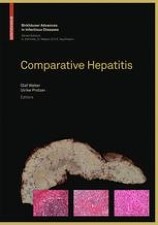
Comparative Hepatitis
This volume reviews today’s knowledge about hepatitis with emphasis on comparative aspects between hepatitis in humans and animals, but also between different etiological agents. This particular viewpoint makes the book relevant for scientists from both human and veterinary medicine, gastroenterologists, pathologists, virologists and students of human and veterinary medicine.

Clinical and Basic Immunodermatology
Clinical and Basic Immunodermatology is a comprehensive, yet readable and easily digested disease-focused textbook designed for Residents and Fellows in dermatology and immunology.

Antibacterial effects of Algae
An alarm increase in the rate of emerging of resistance bacteria have been causing a great public concern worldwide. This problem of increasing resistance has necessitated the search for safe and effective factors that may be used to treat persistent bacterial infections or modify the currently available antibiotic. This study deals with the antimicrobial potential assessment of ulva flexuosa , ulva flexuosa was collected from at MAZAR ELKHODER. Crude organic extracts were prepared using methanolic and chloroformic extract and tested against 6 indicator microorganisms using the disk diffusion method and also applied against biofilm ( dental plaque).
A Closer Look at Antibiotic Resistance
Bacterial infections have become more difficult, and sometimes impossible, to treat due to antibiotic resistance, which occurs when bacteria develop the ability to defeat the available drugs designed to kill them. According to the Centers for Disease Control and Prevention, each year, 2 million Americans become sick with antibiotic-resistant infections, and of that, about 23,000 die. This book examines the challenges related to antibiotic resistance, the development and use of diagnostic testing to identify antibiotic resistance, the development of treatments for resistant infections, and appropriate antibiotic use.
