



الصفحة 1
الصفحة 1

ECZEMA (Atopic Dermatitis)
Atopic dermatitis (eczema) is a condition that makes your skin red and itchy. It's common in children but can occur at any age. Atopic dermatitis is long lasting (chronic) and tends to flare periodically. It may be accompanied by asthma or hay fever. No cure has been found for atopic dermatitis, Certain substances or conditions called trigger factors can cause eczema to flare-up: Irritants such as soaps and detergents, wool, skin infections, dry skin, low humidity, heat, sweating or emotional stress. Allergens such as dust mites, pollen, moulds, or foods.and the treatment for the condition aims to heal the affected skin and prevent flares of symptoms.Topical medications (typically, steroids or other anti-inflammatory medications, and found a correlation between eczema and the Quality of life, Recently some study have done to study the relation with COVID-19.
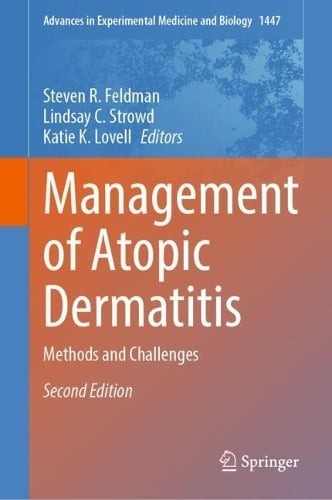
Management of atopic dermatitis : Methods and challenges
This new edition builds upon the foundational knowledge covered in the first edition, covering the epidemiology, pathogenesis, and clinical presentation of atopic dermatitis in both pediatric and adult patients. It provides an overview of the mechanism and presentation of atopic dermatitis and focuses on the management methods experienced dermatologists have used to successfully manage atopic dermatitis. The book includes new chapters describing the special considerations for atopic dermatitis in skin of color patients, dedicated chapters on topical and oral prescription management reflected the latest FDA-approved treatments, and also a chapter covering the updated guidelines from the American Academy of Dermatology. A final chapter includes updates on the future of atopic dermatitis treatment.
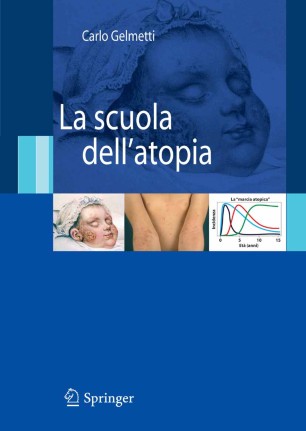
La scuola dell’atopia = The school of atopy
The need to clarify the current concepts of atopy, which for too long have oscillated between a primitive purely clinical vision and a subsequent purely immunological one, had been ripe for some time. Understanding that the role of immunoglobulins E is not exhaustive and accepting the Solomonic division between intrinsic and extrinsic atopy were the first two fundamental steps. Recent discoveries of the role of innate immunity, and therefore of antimicrobial peptides, have opened fundamental spaces for understanding in atopy and beyond. What now appears clear is that atopy is not the disease of an organ but rather a defect in the membranes that delimit our "self". The fact that these membranes are called skin, intestines, conjunctiva, bronchi or whatever has artificially fragmented the understanding and treatment of a unitary phenomenon. This book seeks to summarize the different experiences but above all to be a stimulus to ensure that medicine focuses constructively on the same target. If this is the case, we will no longer see "religious wars" between scientists and practicing doctors or, even worse, between the different specialists vying for the patient. If atopy, as we believe, is a global problem, it can only be adequately addressed in a multidisciplinary context and in a collaborative atmosphere, not only between doctor and doctor but also between doctor and patient.
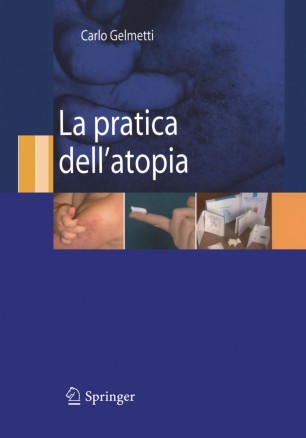
La pratica dellatopia = The practice of atopy
The purpose of this publication is to "translate" and outline the arguments developed in an academic manner in the first edition of the School of atopy and which have been condensed into the text of the same name. This book, on the other hand, aims to be a synthetic and quick reference tool, intended for those who deal with these patients on a daily basis.

Atopic eczema = الأكزيما التأتبية
Atopic dermatitis, commonly known as eczema, is a common chronic, relapsing skin disease characterized by pruritus, disrupted epidermal barrier function, and immunoglobulin E–mediated sensitization to food and environmental allergens. Atopic dermatitis is a complex disease that arises from interactions between genes and the environment. There are 3 classical stages of eczema: infantile, childhood, and adulthood. In this research, we studied several cases of patients with eczema, We have also developed a nano-biological therapy that is currently being tested on patients
