



الصفحة 1
الصفحة 1

Occlusal splints for painful craniomandibular dysfunction
Bridges that gap, presenting a practical guide for the treatment of craniomandibular dysfunction (CMD)—a functional disorder that affects the muscles of mastication, temporomandibular joints, and/or occlusion—in patients with related pain. The first half of the book provides detailed but simple clinical instructions and examples of occlusal splint therapy, including splint fabrication and coordinative training for painful CMD, based entirely on a high level of evidence. The second half delves deeper into the etiology, advanced diagnostic techniques, neurobiology, and pathophysiology of painful CMD and splint therapy.

Fundamentals of anatomy and physiology of speech, language, and hearing
Each topic is explored in bullet-point form with augmentative paragraph information, in-depth box features, and detailed illustrations. High-resolution Anatomage virtual dissection table figures derived from real cadavers offer an unparalleled glimpse into the anatomical structures of the human body, featuring true-to-life colors and an impressive level of detail. Topics explored include respiration, phonation, articulation, swallowing, resonance, hearing, balance, neuroanatomy, and neurophysiology.

Disfluency and Proficiency in Second Language Speech Production
This book explores the concept of disfluency in speech production, particularly as it occurs in the context of second language acquisition. Drawing on examples from learner speech at three levels (beginner, intermediate and advanced), the author argues that acquiring target language norms for performing disfluency is essential to an individual being recognized as fluent in a language by fellow-speakers. Starting with a survey of the psycholinguistic research in this area, he then applies a sociolinguistic lens to examine how a learner's social and educational background impacts the types of disfluencies in their speech.

Designing Digital Work : Concepts and Methods for Human-centered Digitization
This book could well be the most comprehensive collection to date of integrated ideas on the elicitation, representation, integration and digitization of work processes and collaboration. The authors take a heavily human-centered approach while never losing sight of engineering aspects involved. Rooted in relevant theories, they present a set of practice-oriented tools and methods that will help bring work and work support into the hyper connected, data-driven era we are now entering.

Cultural heritage and human rights
The volume addresses a deeply political aspect of heritage preservation and management as it relates to human rights. Social and community advocates assert that heritage is necessary for the articulation and preservation of cultural identity. The display of heritage monuments and performance can be a strategy for asserting minority identity in the face of majority pressure – as well as a tool for resistance and the expression of difference.

Logos of Phenomenology and Phenomenology of the Logos. Book One : Phenomenology as the Critique of Reason in Contemporary Criticism and Interpretation
During its century-long unfolding, spreading in numerous directions, Husserlian phenomenology while loosening inner articulations, has nevertheless maintained a somewhat consistent profile. As we see in this collection, the numerous conceptions and theories advanced in the various phases of reinterpretations have remained identifiable with phenomenology.
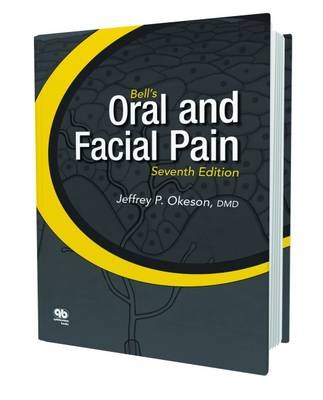
Bell's oral and facial pain
Includes advanced understanding of the neurophysiology and central processing of pain and the resulting changes to diagnostic, classi cation, and treatment guidelines. To assist clinicians in the dif cult and often complicated task of managing patients suffering from oral and facial pain, this textbook provides documented information concerning pain and pain behavior so that one may better understand what pain is, how it behaves, and how it might best be managed; develops a useful classi cation of orofacial pain disorders; offers practical diagnostic criteria by which the different orofacial pain disorders can be identi ed on a clinical level; and suggests guidelines for the effective management of patients who suffer from pain in the region of the mouth and face.
