



الصفحة 1
الصفحة 1
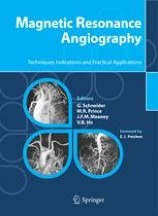
Magnetic resonance angiography : techniques, indications and practical applications
The advent of contrast-enhanced MRA in the early to mid 1990s revolutionized the clinical approach to vascular imaging: an accurate non-invasive imaging modality, not requiring ionizing radiation or potentially nephrotoxic iodinated contrast media, was able to compete with the more hazardous and invasive catheter angiography. Today, MRA is a safe, easy-to-perform procedure routinely used in most imaging centers, and the continued development of faster, more powerful magnets and more effective contrast agents is increasingly helping to overcome many of the early limitations of the technique.
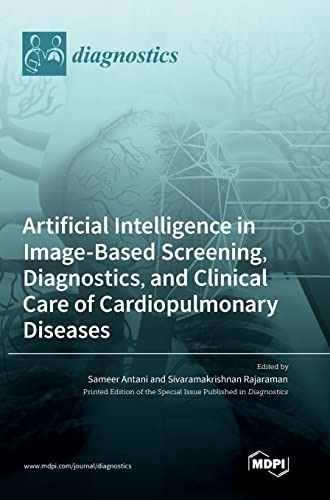
Artificial intelligence in image-based screening, diagnostics, and clinical care of cardiopulmonary diseases
In this Special Issue, “Artificial Intelligence in Image-Based Screening, Diagnostics, and Clinical Care of Cardiopulmonary Diseases”, we have highlighted exemplary primary research studies and literature reviews focusing on novel AI/ML methods and their application in image-based screening, diagnosis, and clinical management of cardiopulmonary diseases.

Aortic valve disease
Your heart has four valves to keep blood flowing in the direction. These valves include the mitral valve, tricuspid valve, pulmonary valve and aortic valve. Each valve has flaps (epiphysis or leaflets) that opens and close once during each heartbeat sometimes the valve do not open or close completely; this interferes with the flow of blood inside the heart, and may lead to impaired ability to pump blood to your body. In aortic valve disease, the aortic valve between the lower left chamber (left ventricle) and the primary artery that delivers blood from the heart to the body (the aorta) does not work completely. It may not close completely; This causes blood to leak back into the left ventricle (regurgitation), or possibly narrowing of the valve (stenosis).
