



الصفحة 1
الصفحة 1
Omega-3 fatty acids : Keys to nutritional health
Argues for the importance of essential nutrients in our diet. Over the last two decades there has been an explosion of research on the relationship of Omega-3 fatty acids and the importance of antioxidants to human health. Expert authors discuss the importance of a diet rich in Omega-3 Fatty acids for successful human growth and development and for the prevention of disease. Chapters highlight their contribution to the prevention and amelioration of a wide range of conditions such as heart disease, diabetes, arthritis, cancer, obesity, mental health and bone health.

Nutrition, diet and healthy aging
Over the last 100 years, the numerous advances in science, the improved sanitary conditions and a decline in poverty have led to an increase in life expectancy. As a result, in the coming years, the number of over-65s will triple, and the over-80s will be the fastest growing portion of the population. However, an increased lifespan is associated with an increase in chronic diseases, such as cardiovascular disease, diabetes, cancer, sarcopenia, and degenerative disorders. Therefore, ideally, increased lifespan should be associated to a better healthspan, which is the period one individual is living in good health
Nutrition and dietary interventions in cancer
Presents the most up-to-date information on the effects of nutrition and food on cancer prevention and management. The book will provide clinicians and other healthcare practitioners with an educational source on how to educate cancer patients and their families on nutrition and dietary during cancer treatment. Recent nutritional epidemiology studies have occasionally produced controversial or unexpected results and highlight the need for additional research on diet and cancer risk. Chapters within the book focus among others on the role of natural antioxidants in cancer, the importance of micronutrients in cancer prevention and nutritional genomics and their role in cancer prevention.

Nutraceuticals for the treatment and prevention of sexual disorders
Covers diverse aspects of sexual dysfunctions and the role of nutraceutical therapeutics, applying both traditional knoweldge and modern evidence-based research. The new book focuses on the use of nutraceuticals on sexual disorders, highlighting the working solutions as well as open problems and future challenges in the use of nutraceuticals in sexual disorder research. Disucssing state-of-the-art developments and trends in this field, the book covers the use of antioxidants in stress-induced male infertility, the role of nutraceuticals in prostate cancer, male sex hormone disturbances, and the impact of nutraceuticals on male accessory organs. The book also addresses the use of nutraceuticals on female sexual disorders and remedial measures in treating breast cancer, cervical complications, pregnancy health and disorders, menstrual disturbances, female sex hormones, female infertility, and prevention of vaginal infections. The book also covers the use of nutraceuticals to combat general sexual disorders such as urinogenital complications, geriatric sexual functions, traditional nutraceuticals use for sexual disorders, the use of nutritional spices for sexual disorders, and the role of nutraceuticals on transgendered individuals.

Medicinal compounds in modern healthcare : From tradition to innovation
Reviews the evolution, development, and application of medicinal compounds, beginning with their historical context and advancing to modern innovations. The book describes the therapeutic potential of bioactive compounds from microorganisms, the role of antioxidants and anti-inflammatory agents in managing chronic diseases, and the use of small molecules in pain management and mental healthcare. It further explores immunomodulatory compounds, epigenetic modifiers, and the latest advancements in drug development, including integrative medicine approaches and the applications of nanotechnology in traditional medicine. Additionally, the book addresses the use of immunomodulatory agents like methotrexate and paclitaxel in cancer treatment, regulatory considerations for ensuring safety and efficacy in medicinal compounds, and the growing field of nutraceuticals. Towards the end, the book covers the extraction, profiling, and ADMET evaluation of medicinal compounds, intellectual property challenges, and the significance of traditional medicine in modern healthcare.

Healing effects of pumpkin : Physicochemical studies of pumpkin and its skin care preparations
The pumpkin is a plant that is used from thousands of years in healing patients but at the recent decades, the scientists focused in research on the possible treatment to discover new effects. We made this study to investigate the effect of pumpkin on the skin so we made several formulation of cream by using boiled pumpkin juice, pumpkin seed oil and we choose the best one, to try it on possible volunteers with differents derma problems.

Fatty acids
Fatty acid metabolism, including the de novo synthesis, uptake, oxidation, and derivation of fatty acids, plays several important roles at cellular and organ levels. Recent studies have identified characteristic changes in fatty acid metabolism in idiopathic pulmonary fibrosis (IPF) lungs, which implicates its dysregulation in the pathogenesis of this disorder. Here, we review the evidence for how fatty acid metabolism contributes to the development of pulmonary fibrosis, focusing on the profibrotic processes associated with specific types of lung cells, including epithelial cells, macrophages, and fibroblasts. We also summarize the potential therapeutics that target this metabolic pathway in treating IPF.

Effect of antioxidants in plant extracts and free radicals on blood sample
Antioxidants are substances that inhibit and regulate the formation of free radicals, and prevent or slow down the damage to cells caused by free radicals. There is a balance between antioxidants and free radicals throughout the body, and free radicals become dangerous when the balance is disturbed Free radicals play a key role in many physiological decisions in cells. Since free radicals are toxic to cellular components, it is known that they cause DNA damage, contribute to DNA instability and mutation and thus favor carcinogenesis.Low levels of free radicals and steady state levels of antioxidant enzymes are responsible for the fine tuning of redox status inside cells. A change in redox state is a way to modify the physiological status of the cell.Many healthful foods contain antioxidants. If a person consumes some or all of these foods regularly, they may increase their antioxidant levels, potentially helping them prevent the damage that doctors associate with oxidative stress.

Edible Plants in Health and Diseases ; Vol.1 : Cultural, Practical and Economic Value
Provides significant information on some of the promising edible medicinal plants and how these possess both nutritive as well as medicinal value. The significance of these edible plants in traditional medicine, their distribution in different regions and the importance of their chemical constituents are discussed systematically concerning the role of these plants in ethnomedicine in different regions of the world. The current volume focuses on the economic and culturally important medicinal uses of edible plants and a detailed survey of the literature on scientific researches of pharmacognostical characteristics, traditional uses, scientific validation, and phytochemical composition, and pharmacological activities. This book is a single-source scientific reference to explore the specific factors that contribute to these potential health benefits, as well as discussing how to maximize those potential benefits. Chemists, food technologists, pharmacologists, phytochemists as well as all professionals involved with quality control and standardization will find in this book a valuable and updated basis for their work.

Edible Plants in Health and Diseases ; Vol. II : Phytochemical and Pharmacological Properties
Provides essential information on some of the promising edible medicinal plants and how these possess both nutritional as well as therapeutic value. The significance of the edible plants in traditional medicine and the importance of the distribution of their chemical constituents are discussed systematically concerning the role of these plants in ethnomedicine in different regions of the world. The current volume deals with the individual plants' phytochemical and pharmacological properties, emphasizing human health. The title would demonstrate the value of natural edible plants and introduce readers to state-of-the-art developments and trends in omics-driven research.
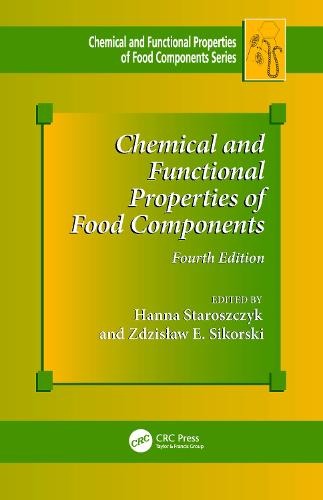
Chemical and functional properties of food components
Described the contents of food raw materials and products, the chemistry/biochemistry of food components, as well as the changes occurring during post-harvest storage and processing affecting the quality of foods. Discusses the role of chemical compounds in the structure of raw materials and the formation of different attributes of food quality, including nutritional value, safety, and sensory properties. It contains four new chapters: “Non-Protein Nitrogenous Compounds”; “Prooxidants and Antioxidants in Food”; “Non-Nutritive Bioactive Compounds in Food of Plant Origin”; and “Analytical Methods Used for Assessing the Quality of Food Products.”
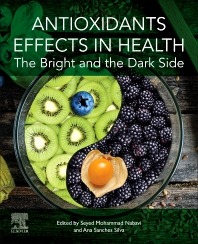
Antioxidants effects in health : The bright and the dark side ; 1st ed.
Examines the role that antioxidants play in a variety of health and disease situations. The book discusses antioxidants’ historical evolution, their oxidative stress, and contains a detailed approach of 1) endogenous antioxidants, including endogenous sources, mechanisms of action, beneficial and detrimental effects on health, in vitro evidence, animal studies and clinical studies; 2) synthetic antioxidants, including sources, chemistry, bioavailability, legal status, mechanisms of action, beneficial and detrimental effects on health, in vitro evidence, animal studies and clinical studies; and 3) natural antioxidants, including sources, chemistry, bioavailability, mechanisms of action, possible prooxidant activity; beneficial and detrimental effects on health, in vitro evidence, animal studies and clinical studies. Throughout the boo, the relationship of antioxidants with different beneficial and detrimental effects are examined, and the current controversies and future perspectives are addressed and explored. Antioxidants Effects in Health: The Bright and the Dark Side evaluates the current scientific evidence on antioxidant topics, focusing on endogenous antioxidants, naturally occurring antioxidants and synthetic antioxidants. It will be a helpful resource for pharmaceutical scientists, health professionals, those studying natural chemistry, phytochemistry, pharmacognosy, natural product synthesis, and experts in formulation of herbal and natural pharmaceuticals.
Antioxidants as nutraceuticals
Provides a comprehensive overview of antioxidants and nutraceuticals, including their sources, mechanisms of action, and health benefits, this new volume first covers the basics of the types of antioxidants as nutraceuticals, including the importance of phytochemical antioxidants and their nutritional and pharmacological intervention in the treatment of disease. It discusses the natural origins of antioxidants, classification, mechanisms of action, calculation of antioxidant potential of nutraceutical substances, safety, toxicity, and their significant involvement in the prevention of many degenerative and chronic diseases.
Antioxidants and Cardiovascular Disease
Antioxidants and Cardiovascular Disease, Second Edition addresses a complex but very timely and fascinating problem in cardiovascular medicine. It is written by recognized experts in the fields of atherosclerosis and antioxidants. It should be of interest not only to academicians but also to practicing physicians.
Antioxidants
Highlights new advances in the field, with this new volume presenting interesting chapters written by an international board of authors.

Anti-Inflammatory diet
An anti-inflammatory diet may serves as a complementary treatment for many conditions that worsen with chronic inflammation, and an anti-inflammatory diet focuses on fresh fruits and vegetables. Combine a variety of foods that are rich in nutrients, provide a range of antioxidants, and contain healthy fats. Such as fatty fish, green tea, berries, and special herbs such as curcumin, ginger, and licorice. ..
