



الصفحة 1
الصفحة 1
Omega-3 fatty acids : Keys to nutritional health
Argues for the importance of essential nutrients in our diet. Over the last two decades there has been an explosion of research on the relationship of Omega-3 fatty acids and the importance of antioxidants to human health. Expert authors discuss the importance of a diet rich in Omega-3 Fatty acids for successful human growth and development and for the prevention of disease. Chapters highlight their contribution to the prevention and amelioration of a wide range of conditions such as heart disease, diabetes, arthritis, cancer, obesity, mental health and bone health.

Nutrition, diet and healthy aging
Over the last 100 years, the numerous advances in science, the improved sanitary conditions and a decline in poverty have led to an increase in life expectancy. As a result, in the coming years, the number of over-65s will triple, and the over-80s will be the fastest growing portion of the population. However, an increased lifespan is associated with an increase in chronic diseases, such as cardiovascular disease, diabetes, cancer, sarcopenia, and degenerative disorders. Therefore, ideally, increased lifespan should be associated to a better healthspan, which is the period one individual is living in good health
Nutrition and dietary interventions in cancer
Presents the most up-to-date information on the effects of nutrition and food on cancer prevention and management. The book will provide clinicians and other healthcare practitioners with an educational source on how to educate cancer patients and their families on nutrition and dietary during cancer treatment. Recent nutritional epidemiology studies have occasionally produced controversial or unexpected results and highlight the need for additional research on diet and cancer risk. Chapters within the book focus among others on the role of natural antioxidants in cancer, the importance of micronutrients in cancer prevention and nutritional genomics and their role in cancer prevention.

Nutraceuticals in obesity management and control
Provides detailed information on nutraceuticals that can be helpful in the control and management of obesity. It clarifies key aspects of nutraceuticals that include sources, extraction, chemistry, mechanisms of action, pharmacology, bioavailability, safety, and various applications. Beginning with a concise overview of the prevalence of obesity, complications related to obesity, and current treatment regimens, the volume delves into the roles of functional foods and nutraceuticals for the management of body weight and for alleviating obesity comorbidities. It goes on to discuss the effect of some of the most commonly and frequently used naturally occurring nutraceutical substances, along with their mechanisms of action in controlling obesity. The volume looks at the role of nutraceutical fruits as well as the beneficial aspects of carotenoids in fruits and vegetables and explores antioxidant-rich nutraceuticals, the role of vitamins and supplements, the use of green tea, and the potential of pseudocereals and spices in the management of metabolic syndrome.

Nutraceuticals for the treatment and prevention of sexual disorders
Covers diverse aspects of sexual dysfunctions and the role of nutraceutical therapeutics, applying both traditional knoweldge and modern evidence-based research. The new book focuses on the use of nutraceuticals on sexual disorders, highlighting the working solutions as well as open problems and future challenges in the use of nutraceuticals in sexual disorder research. Disucssing state-of-the-art developments and trends in this field, the book covers the use of antioxidants in stress-induced male infertility, the role of nutraceuticals in prostate cancer, male sex hormone disturbances, and the impact of nutraceuticals on male accessory organs. The book also addresses the use of nutraceuticals on female sexual disorders and remedial measures in treating breast cancer, cervical complications, pregnancy health and disorders, menstrual disturbances, female sex hormones, female infertility, and prevention of vaginal infections. The book also covers the use of nutraceuticals to combat general sexual disorders such as urinogenital complications, geriatric sexual functions, traditional nutraceuticals use for sexual disorders, the use of nutritional spices for sexual disorders, and the role of nutraceuticals on transgendered individuals.

Micronutrients and macronutrients as nutraceuticals
Explains in detail the properties of micronutrients and macronutrients and their diverse uses as nutraceuticals for their beneficial properties, such as their antioxidant activity and immunity-boosting properties and how they can be incorporated into the human diet for optimum health, for growing beneficial bacteria in the gut, and inhibition of pathogens. Interestingly, the authors look at how disease-promoting habits often unfold in childhood, even prenatally, and employing nutrigenomics early on goes a long way toward curbing these chronic diseases later on in life.

Medicinal compounds in modern healthcare : From tradition to innovation
Reviews the evolution, development, and application of medicinal compounds, beginning with their historical context and advancing to modern innovations. The book describes the therapeutic potential of bioactive compounds from microorganisms, the role of antioxidants and anti-inflammatory agents in managing chronic diseases, and the use of small molecules in pain management and mental healthcare. It further explores immunomodulatory compounds, epigenetic modifiers, and the latest advancements in drug development, including integrative medicine approaches and the applications of nanotechnology in traditional medicine. Additionally, the book addresses the use of immunomodulatory agents like methotrexate and paclitaxel in cancer treatment, regulatory considerations for ensuring safety and efficacy in medicinal compounds, and the growing field of nutraceuticals. Towards the end, the book covers the extraction, profiling, and ADMET evaluation of medicinal compounds, intellectual property challenges, and the significance of traditional medicine in modern healthcare.

Healing effects of pumpkin : Physicochemical studies of pumpkin and its skin care preparations
The pumpkin is a plant that is used from thousands of years in healing patients but at the recent decades, the scientists focused in research on the possible treatment to discover new effects. We made this study to investigate the effect of pumpkin on the skin so we made several formulation of cream by using boiled pumpkin juice, pumpkin seed oil and we choose the best one, to try it on possible volunteers with differents derma problems.

Garlic Extract : Interaction with mechanisms of bacterial resistance
Garlic (Allium sativum) is a medicinal plant which has a diverse biological activities including antioxidant activity, antimicrobial activity, anticancer activity and others… In this article we are focusing on its antimicrobial effect which had been tested individually and in combination with two resisted antibiotics (Ampicillin, Ciprofloxacin) on 3 gram negative bacteria (Proteus mirabilis, klebsiella pneumoniae and Enterobacter aerogenes) to estimate the effect of garlic extract on the activity of the resisted drugs and bacterial resistance mechanism.

Fungi as an Alternative Source of Anticancer and Antioxidant
Fungi are an " excellent but underexplored source " for new therapeutic compounds. The limited availability of bioactive principles in plant sources could be surpassed by exploiting the chemical entities in the endophytes fungi . fungi represent a rich source of bioactive metabolite that can manipulated to produce desirable novel analogs. In addition to the active substances that can be extracted from the fungi, so that they are useful in several mechanisms. Exploring and exploiting of metabolites from endophytic in terrestrial, mangrove and marine habitats may provide an avenue for discovery of drug candidates against deadly human disease. This review focuses on the production of antioxidant and anticancer from severa fungi habitats.

Flavonoids as nutraceuticals
Flavonoids are well-known plant metabolites that have extraordinary properties that can be used for treating health issues. The pharmaceutical importance of flavonoids is due to their anti-depressant, anti-viral, anti-inflammatory, and antioxidant capacities. They are also of great importance when it comes to neuroprotection, cardiovascular disorders, and many types of cancer. Flavonoids are also easily available and produce less harmful side effects than some conventional therapeutics. This new volume examines the growing use of flavonoids for prevention and treatment of diseases and discusses their beneficial mechanisms. Chapters in the volume address diverse uses as anti-aging tools, as anti-inflammatory agents, for treating pregnancy-induced disorders, as a promising tool to combat infection of Covid-19, etc. The book explores their specific therapeutic antiviral potentials, the gene expression by flavonoids, and the role of flavonoids in agriculture.

Fatty acids
Fatty acid metabolism, including the de novo synthesis, uptake, oxidation, and derivation of fatty acids, plays several important roles at cellular and organ levels. Recent studies have identified characteristic changes in fatty acid metabolism in idiopathic pulmonary fibrosis (IPF) lungs, which implicates its dysregulation in the pathogenesis of this disorder. Here, we review the evidence for how fatty acid metabolism contributes to the development of pulmonary fibrosis, focusing on the profibrotic processes associated with specific types of lung cells, including epithelial cells, macrophages, and fibroblasts. We also summarize the potential therapeutics that target this metabolic pathway in treating IPF.

Evaluation of the use of medicine plants in cancer treatment
Turmeric (Curcuma longa) and ginger (Zingiber officinale) have been widely studied for their potential anticancer effects, primarily due to the bioactive compounds curcumin and gingerol. Both compounds exhibit significant therapeutic properties, including anti-inflammatory, antioxidant, pro-apoptotic, and anti-angiogenic activities, which target key pathways implicated in cancer progression, such as NF-κB, STAT-3, and mTOR. Through these mechanisms, curcumin and gingerol inhibit tumor growth, reduce metastasis, and enhance the efficacy of conventional cancer treatments.

Effect of antioxidants in plant extracts and free radicals on blood sample
Antioxidants are substances that inhibit and regulate the formation of free radicals, and prevent or slow down the damage to cells caused by free radicals. There is a balance between antioxidants and free radicals throughout the body, and free radicals become dangerous when the balance is disturbed Free radicals play a key role in many physiological decisions in cells. Since free radicals are toxic to cellular components, it is known that they cause DNA damage, contribute to DNA instability and mutation and thus favor carcinogenesis.Low levels of free radicals and steady state levels of antioxidant enzymes are responsible for the fine tuning of redox status inside cells. A change in redox state is a way to modify the physiological status of the cell.Many healthful foods contain antioxidants. If a person consumes some or all of these foods regularly, they may increase their antioxidant levels, potentially helping them prevent the damage that doctors associate with oxidative stress.

Edible Plants in Health and Diseases ; Vol.1 : Cultural, Practical and Economic Value
Provides significant information on some of the promising edible medicinal plants and how these possess both nutritive as well as medicinal value. The significance of these edible plants in traditional medicine, their distribution in different regions and the importance of their chemical constituents are discussed systematically concerning the role of these plants in ethnomedicine in different regions of the world. The current volume focuses on the economic and culturally important medicinal uses of edible plants and a detailed survey of the literature on scientific researches of pharmacognostical characteristics, traditional uses, scientific validation, and phytochemical composition, and pharmacological activities. This book is a single-source scientific reference to explore the specific factors that contribute to these potential health benefits, as well as discussing how to maximize those potential benefits. Chemists, food technologists, pharmacologists, phytochemists as well as all professionals involved with quality control and standardization will find in this book a valuable and updated basis for their work.

Edible Plants in Health and Diseases ; Vol. II : Phytochemical and Pharmacological Properties
Provides essential information on some of the promising edible medicinal plants and how these possess both nutritional as well as therapeutic value. The significance of the edible plants in traditional medicine and the importance of the distribution of their chemical constituents are discussed systematically concerning the role of these plants in ethnomedicine in different regions of the world. The current volume deals with the individual plants' phytochemical and pharmacological properties, emphasizing human health. The title would demonstrate the value of natural edible plants and introduce readers to state-of-the-art developments and trends in omics-driven research.

Diabetes meal planning nutrition For dummies
Offers you a holistic approach to living your best life with diabetes. Optimize your diet and plan delicious meals that will empower you to take control, improve your health, prevent, and even reverse diabetes. Written by an award-winning chef and renowned doctor who are both experts in the field of nutrition, this book helps you understand what defines healthful eating for diabetes, its crucial role to long term health, and how meal planning is a key to successful diabetes management. Learn how to receive all the nutrients necessary for glucose control while managing Type 1 or Type 2 diabetes and maintaining ideal weight. Discover how to supercharge your diet and protect yourself from the complications associated with diabetes with anti-inflammatory and antioxidant-rich foods.

Developing Organogel of CoEnzyme Q10
Coenzyme Q10 is a small lipophilic molecule composed of a benzoquinone ring and a hydrophobic isoprenoid tail and is present in all cell membranes. It is also an antioxidant. It plays a substantial role in energy production by acting as a mobile electron carrier in the electron transport chain. It has poor intestinal absorption and is prepared in topical forms. Organogel is a non-crystalline, non-glassy thermoreversible (thermoplastic) solid material and viscoelastic system can be regarded as a semi-solid preparation which has an immobilized external apolar phase, it is compatible with high molecular weight ingredients. The objective of present work is to prepare new dosage form with studying of different factors and conditions affecting preparation. Materials and methods: stearic acid and Flaxseed oil organogel was prepared by three methods and confirmed by quality assessment methods including: transparency, structure analysis, inverted tube test, kinetic of organogalation and stability test.

CO-ENZYME Q10
Coenzyme Q10 (CoQ10) is a fat-soluble compound that is synthesized by the body and can be obtained from the diet. Co-Q10 plays a central role in mitochondrial oxidative phosphorylation and the production of adenosine triphosphate (ATP). It also functions as an antioxidant in cell membranes and lipoproteins. Endogenous synthesis and dietary intake provide sufficient C0- Q10 to prevent deficiency in healthy people, although coenzyme Q10 concentrations in tissues decline with age. Oral supplementation of coenzyme Q10 increases coenzyme Q10 concentrations in plasma and lipoproteins. Oral high-dose co- Q10 is usually effective to treat mitochondrial disorders that are caused by mutations in coenzyme Q10 biosynthetic genes.
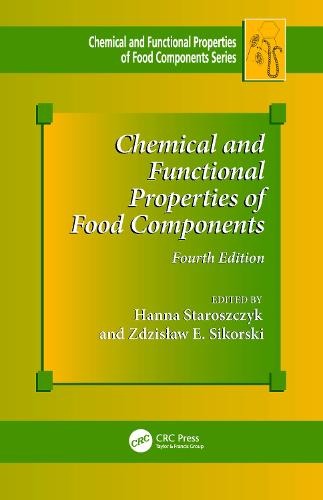
Chemical and functional properties of food components
Described the contents of food raw materials and products, the chemistry/biochemistry of food components, as well as the changes occurring during post-harvest storage and processing affecting the quality of foods. Discusses the role of chemical compounds in the structure of raw materials and the formation of different attributes of food quality, including nutritional value, safety, and sensory properties. It contains four new chapters: “Non-Protein Nitrogenous Compounds”; “Prooxidants and Antioxidants in Food”; “Non-Nutritive Bioactive Compounds in Food of Plant Origin”; and “Analytical Methods Used for Assessing the Quality of Food Products.”
