



الصفحة 1
الصفحة 1

Medicinal foods as potential therapies for type-2 diabetes and associated diseases : The chemical and pharmacological basis of their action
Focuses on active pharmacological principles that modulate diabetes, associated risk factors, complications and the mechanism of action of widely used anti-diabetic herbal plants—rather than just the nutritional composition of certain foods. Provides up-to-date information on acclaimed antidiabetic super fruits, spices and other food ingredients. Sections cover diabetes and obesity at the global level, the physiological control of carbohydrate and lipid metabolism, the pathophysiology of type-2 diabetes, the chemistry and pharmacology of a variety of spices, and much more. This book will be invaluable for research scientists and students in the medical and pharmaceutical sciences, medicinal chemistry, herbal medicine, drug discovery/development, nutrition science, and for herbal practitioners and those from the nutraceutical and pharm industries.

Healing effects of pumpkin : Physicochemical studies of pumpkin and its skin care preparations
The pumpkin is a plant that is used from thousands of years in healing patients but at the recent decades, the scientists focused in research on the possible treatment to discover new effects. We made this study to investigate the effect of pumpkin on the skin so we made several formulation of cream by using boiled pumpkin juice, pumpkin seed oil and we choose the best one, to try it on possible volunteers with differents derma problems.

Diabetes drug notes
Diabetes is becoming more common in both older and younger generations and in keeping with this escalation in cases, there are an ever increasing number of drugs and drug classes that are suitable to treat hyperglycaemia. In a unique blend of diabetes practice, clinical pharmacology, and cardiovascular medicine, Diabetes Drug Notes describes the principles of clinical pharmacology with regards to diabetes prescribing. Each drug class for the treatment of diabetes is covered in detail, along with the effect on the cardiovascular and renal systems caused by each drug. Building upon the success of their "Drug Notes" series for Practical Diabetes and their "Drugs for Diabetes" series in the British Journal of Cardiology, the team of experts focuses on the glycaemic management of type 1 and type 2 diabetes, with other effects of antidiabetic drugs covered as well.
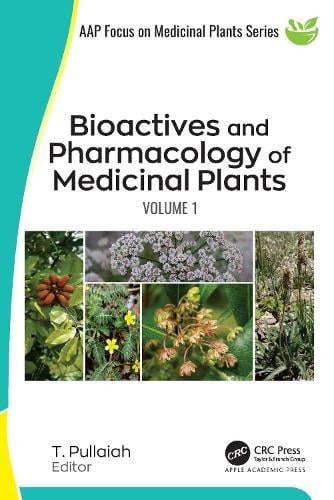
Bioactives and pharmacology of medicinal plants : Vol.1
Bioctives and Pharmacology of Medicinal Plants, concisely presents an abundance of important information on the bioactive and pharmacological properties of medicinal plants. It provides valuable comprehensive research and studies on bioactive phytocompounds of over 68 important medicinal plants with beneficial properties. For each species included in the volume, a brief introduction is given along with their bioactive compounds and chemical structures, followed by their chief pharmacological activities that include antiviral, antimicrobial, antioxidant, anti-cancer, anti-inflammatory, antidiabetic, hepatoprotective, nephroprotective, and cardioprotective activities. A review of the published literature on pharmacological activities on each species is included also, providing a thorough resource on each of the plants covered in the volume.
Bioactives and pharmacology of Legumes
A variety of bioactives and therapeutics from the legume family (Fabaceae or Leguminosae) are thoroughly detailed. For each species included in the volume, a brief introduction is given, the plant’s bioactive compounds are listed, and its chemical structures shown, followed by their pharmacological activities. Many of these plants have medicinal activities that include antiviral, antimicrobial, antioxidant, anticancer, anti-inflammatory, and antidiabetic, hepatoprotective, nephroprotective and cardioprotective. The biochemical characteristics of the 37 plants included, such as the type of starch, protein, and fibers, can be exploited as binders, excipients, thickeners, and dispersants in the formulation of various products in the pharmaceutical industry. The published literature on the pharmacological activities on each species is reviewed and presented in a concise and clear manner.
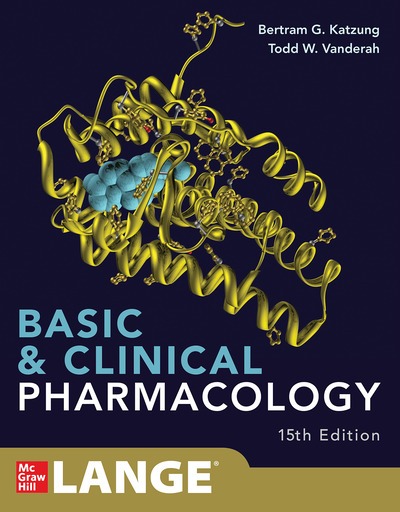
Basic & Clinical Pharmacology
Covers the important concepts students need to know about the science of pharmacology and its application to clinical practice. This edition has been extensively updated to provide expanded coverage of transporters, pharmacogenomics, and new drugs Delivers the knowledge and insight needed to excel in every facet of pharmacology!. Encompasses all aspects of medical pharmacology, including botanicals and over-the-counter drugs Major revisions of the chapters on immunopharmacology, antiseizure, antipsychotic, antidepressant, antidiabetic, anti-inflammatory, and antiviral drugs, prostaglandins, and central nervous system neurotransmitters New chapter on the increasingly relevant topic of cannabis pharmacology Each chapter opens with a case study, covers drug groups and prototypes, and closes with summary tables and diagrams that encapsulate important information Revised full-color illustrations provide more information about drug mechanisms and effects and help clarify important concepts Trade Name/Generic Name tables are provided at end of each chapter for easy reference when writing a chart order or prescription Includes descriptions of important new drugs released through May 2019 New and updated coverage of general concepts relating to recently discovered receptors, receptor mechanisms, and drug transporters
Antidiabetic plants for drug discovery pharmacology, secondary metabolite profiling, and ingredients with insulin mimetic activity
Takes an in-depth look at the potential pharmacological applications of 11 important antidiabetic plants, examining their antihyperglycemic, hypoglycemic, and anti-lipidemic properties along with current genome editing research perspectives. Plant natural products, or phytoconstituents, are promising candidates for antidiabetic pharmacological actions. The phytoconstituents, such as fl avonoids, terpenoids, saponins, carotenoids, alkaloids and glycosides, play vital roles in the current and future potent antidiabetic drug development programs. Each chapter reviews a particular plant with antidiabetic properties, explaining the therapeutic aspects, its active antidiabetic compounds, and relevant genome editing technology.
Antidiabetic medicinal plants and herbal treatments
Diabetes is a chronic condition associated with metabolic disorder. Persons suffering from diabetes have shown accelerated levels of blood sugar which often harms the heart, blood vessels, eyes, kidneys, and nerves. Over the past few decades, the prevalence of diabetes has been progressively increasing. Synthetic drugs are used to treat diabetic patients to help control the disorder, but it is shown that numerous medicinal plants and herbal drugs are widely used in several traditional systems of medicine to prevent and treat diabetes. They are reported to produce beneficial effects in combating diabetes and alleviating diabetes-related complications. These plants contain phtyonutrients and phytoconstituents demonstrating protective or disease preventive properties. In many developing countries, herbal drugs are recommended by traditional practitioners for diabetes treatment because the use of synthetic drugs is not affordable.
