



الصفحة 1
الصفحة 1
Nutraceutical fruits : Overview and disease prevention
While nutritional supplements have enormous advantages, food ingredients such as fruits and vegetables can play a significant preventative and therapeutic role in our daily lives. Fruits are found to have anti-inflammatory, antibacterial, antifungal, and chemopreventive properties that can boost health, as well as prevent diseases. This new book explores the use of fruits as nutraceuticals for alternative treatment, as well as for disease prevention. It looks at how nutraceutical fruits can be used to prevent and manage a range of diseases that include mental illness, cancer, respiratory and lung diseases, cardiovascular diseases, liver disease, inflammatory bowel diseases, sleep disorders, etc. The book also looks at the roles of nutraceutical fruits in the metabolic syndrome and provides information regarding the safety and toxicity of neutraceutical fruits.

Non-metallic biomaterials for tooth repair and replacement
Focuses on the use of biomaterials for a range of applications in tooth repair and, in particular, dental restoration. Part one reviews the structure, modification and repair of dental tissues. The properties of enamel and dentin and their role in adhesive dental restoration are discussed, along with biomineralization and biomimicry of tooth enamel, and enamel matrix proteins (EMPs) for periodontal regeneration. Part two goes on to discuss the processing, bonding and wear properties of dental ceramics, glasses and sol-gel derived bioactive glass ceramics for tooth repair and replacement. Dental composites for tooth repair and replacement are then the focus of part three, including composite adhesive and antibacterial restorative materials for dental applications. T
Nanotechnology in endodontics : Current and potential clinical applications
Provides detailed information on the emerging applications of nanomaterials and nanoparticles within endodontics, highlighting the exciting potential clinical impact of nanotechnology in the field. The range of applications covered is diverse, encompassing drug and gene delivery, tissue engineering, antibacterial strategies, dentin tissue stabilization, dentin pulp regeneration and use in restorative and endodontic materials. Important scientific background information relating to each application is provided, with clear coverage of basic principles. In addition, potential pitfalls are identified and explained. The cytotoxicity of nanomaterials and nanoparticles is also addressed in a separate chapter. The book will be of value both for endodontic practitioners and for all scientists and graduate students who are interested in the application of nanotechnology in endodontics.

Multifunctional Barriers for Flexible Structure : Textile, Leather and Paper
The intent of this book is to give a complete overview of the present state of the art of flexible barrier materials such as textile, paper and leather, including methods for barrier evaluation. It will be of interest to readers in industries, consumers, and members of the scientific community. The scope of the field is clearly delineated here for the first time, and it deals with a number of specific topics such as barrier to fire, antibacterial properties, resistance to waves (electrostatic, electromagnetic, acoustics), anti-odor, etc. combined with characterization techniques as well as material nanotechnology.

Modified Fibers with Medical and Specialty Applications
This book will be an invaluable resource for researchers and others interested in future developments in fiber technology. Several innovative applications for natural and synthetic fibers are described in considerable detail with emphasis on the experimental data that supports these new applications. From bandages to magnetic materials and from antibacterial clothing to implants, creative modifications to fibers are described that could one day become commonplace. Never before has this much new information about fiber modification been packaged into one book volume. In this book the world’s leading experts describe their most recent research in their areas of expertise.

Introduction to basics of pharmacology and toxicology ; Vol.2 : Essentials of systemic pharmacology : From principles to practice
Describes the pharmacology of drugs acting on different systems in the human body Analyses various human diseases and the pharmacological agents governing them Provides a valuable reference resource for academicians, researchers, and clinical practitioners Offers a comprehensive overview of the pharmacology concerning the autonomic, central, and peripheral nervous systems. Presenting up-to-date information on chemical mediators and their significance, it highlights the therapeutic aspects of several diseases affecting the cardiovascular, renal, respiratory, gastrointestinal, endocrinal, and hematopoietic systems. The book also includes drug therapy for microbial and neoplastic diseases. It also comprises sections on immunopharmacology, dermatological, and ocular pharmacology providing valuable insights into these emerging and recent topics.

Introduction to basics of pharmacology and toxicology ; Vol.1 : General and molecular pharmacology : Principles of drug action
Illustrates the most crucial principles involved in pharmacology and allied sciences. The title begins by discussing the historical aspects of drug discovery, with up to date knowledge on Nobel Laureates in pharmacology and their significant discoveries. It then examines the general pharmacological principles - pharmacokinetics and pharmacodynamics, with in-depth information on drug transporters and interactions. In the remaining chapters, the book covers a definitive collection of topics containing essential information on the basic principles of pharmacology and how they are employed for the treatment of diseases.

Focus on bacterial biofilms
Bacterial biofilms are colonies of bacterial cells embedded in their self-produced matrix composed of polysaccharides, DNA, and proteins. They protect bacterial cells against antibiotics, antibacterial agents, soaps and detergents, and shear stress. Some of the most common biofilm-associated infections in humans include urinary tract infections, infection of wounds and surgical sites, diabetic foot ulcers, dental caries (tooth decay) and gingivitis (gum inflammation), ventilator-associated infections, sinusitis, microbial keratitis, secondary infection related to Covid-19 and other viral infections, and so on. Bacterial resistance to common antibiotics (e.g., penicillin, gentamycin, erythromycin, ciprofloxacin, etc.) is driving us to a catastrophic failure of our health systems. Strategies to develop novel antibacterial agents and technology must be prioritized to combat and eradicate biofilms and their associated challenges. This book provides a comprehensive overview of biofilms with chapters on bacterial virulence factors, quorum sensing in bacteria, antimicrobial resistance in bacteria, strategies to develop new antibacterial agents, and much more.

Extracting Methods of Essential laurel oil and Fixed oil, Their effects on bacteria
Laurus nobilis is an evergreen plant belonging to the Lauraceae family, native to Southern Europe and the Mediterranean area. This is the report on the composition and bioactivity of laurel essential oil (EO) from leaves and extraction essential oil by two solvents (water and ethanol 69%) using by two devices (Clevenger and evaporator) then we apply the effect of oil and extract on the bacteria. there are some differences between the extraction by water and ethanol . The antibacterial properties of laurel EOs were examined according to the agar well diffusion method The leaf EO showed antibacterial activities against almost all strains of the microorganisms tested, whereas the twig EO was only able to inhibit Staphylococcus aurous and Escherichia coli were the bacterial strains that showed the highest resistance to the laurel EO. The results can benefit the EO industry and bio pesticide development.

Essential oils as antibacterial agents
An alarm increase in the rate of emerging of resistant bacteria have been causing a great public concern worldwide. This problem of increasing resistance has necessitated the search for safe and effective factors that may be used to treat persistent bacterial infections or modify the currently available antibiotics. An experimental approach, using agar diffusion method was used to estimate the antibacterial properties of 5 essential oils (cinnamon, clove, peppermint, rosemary and thyme) each one individually, in pure and commercial form, against 3 of the bacterial strains that cause common skin infections which are gram negative bacteria (Escherichia coli, Pseudomonas aeruginosa) and gram positive bacteria (Staphylococcus aureus), obtained from clinical sources. Only two of the commercial oils had an antibacterial effect on both gram negative bacteria (E. coli) and gram positive bacteria (S. aureus) and in lesser extent on gram negative bacteria (P. aeruginosa).synergy.

Drug interactions in infectious diseases : Antimicrobial drug interactions
Delivers a quick clinical resource that distills relevant drug interactions by antimicrobial drug class. The book provides informative tables on specific drug-drug interactions that include the degree and severity of the expected interaction. A mechanistic basis for drug-drug interactions is also provided to link observed interactions to pharmacologic characteristics of key drug classes. This complete resource is organized by major antibacterial, antimycobacterial, antiviral, antifungal, antimalarial, and antiprotozoal class. In line with current innovations in antimicrobial drug development, a distinct chapter on the pharmacologic management of drug interactions in hepatitis B virus (HBV) and hepatitis C virus (HCV)-related infections is included. Two new chapters are dedicated to the management of human immunodeficiency virus (HIV) drug-drug interactions given the breadth of antiretroviral class-specific effects. This comprehensive review of known drug interactions and strategies to manage them is an invaluable resource to all health care practitioners.
Composite and polymeric materials for dentistry: enhancing antimicrobial and mechanical properties
Focuses on enhancing antimicrobial and mechanical properties of polymeric materials and composites for dentistry. In recent years, special attention has been focused on the possibility of giving materials new or improved properties by the introduction of nano or submicron size additives, fibers or whiskers. Another area of research is the application of antibacterial monomers, which can be copolymerized in resins to kill oral pathogenic microflora. In addition, we are currently looking for new data regarding colonization of dental materials by pathogenic microbes and their influence on the other properties. Further, there are many new commercially available materials which should be investigated to verify their properties, which is important from the point of view of clinical practice. Original new research and reviews related to any of the topics mentioned above indicate the current directions of development of dental materials.
Chitosan-based nanocomposite materials : fabrication, characterization and biomedical applications
Discovery in the use of chitosan-based nanocomposites in biomedical applications, including the scope to which these novel materials have been incorporated by the community. It provides an exceptional insight into the strategies for the synthesis and chemical modifications of chitosan, characterization techniques, their use as anticancer agents, antimicrobial, antiviral, and antifungal agents, their role in the biomedical field, and applications in drug delivery, gene therapy, dentistry, orthopedics, etc. This book will also emphasize the challenges with previous signs of progress and way for further research, details relating to the current pioneering technology, and future perspectives with a multidisciplinary approach. Furthermore, it presents up-to-date information on the economics, toxicity, and regulations related to these novel materials.
Bioactive egg compounds
Hen eggs have exceptional potential as an inexhaustible source for a variety of products with unique properties. These products are valuable to human health and nutrition and can be used as raw materials for diverse purposes in the cosmetics and pharmaceutical industries. Bioactive Egg Compounds presents the latest results and concepts in the biotechnological use of egg compounds. Following an introduction to the different compounds of egg white, yolk and shell, the nutritive value of egg compounds is discussed. Procedures for processing egg compounds to improve their nutritive value are described, including the concept of so-called enriched eggs. Also described is the isolation and application of egg compounds with special properties, such as antibiotic action.
Bioactive components of milk
Of all food products dairy foods have the most potential concerning functional foods. Therefore, there is a tremendous amount of interest in value-added milk products and the identification of components in food which have health benefits. Bioactive Components of Milk provides an overview of these derived components and their diverse activities including: the stimulation of beneficial microflora, alerting the immune system to the presence of potential pathogens and allergens, binding and eliminating toxins, etc. The book is divided into four parts. The first part focuses on bioactive milk lipid components, which very widely among mammalian species. The second part describes different aspects of biological active colostrums and milk proteins and their derivatives, with special concern on species specific effects. The third part reviews the production of recombinant human proteins in the milk of livestock animals - including ethical issues - and the aims of altering milk composition for the benefit of both the animals themselves and the consumers. The final part focuses on the influence of ruminants nutrition on the biological activity of milk.
Bioactive and therapeutic dental materials
Special attention has been given to bioactive materials developed to induce cells differentiation/stimulation, hard tissue formation and exert antimicrobial actions. New innovations are necessary to continue to help reinforcing existing technologies and to introduce new paradigms for treating dental disease and restoring teeth seriously compromised by caries lesions via biomimetic and more biological operative approaches. Dental bioactive materials is arguably the latest research area in dentistry and thus the amount of new research is overwhelming. However, in this day and age of evidence based practice it important for this new information to be distilled into a practical and understandable format.

Antidepressants Beyond Depression, and Into Bacteria
Antidepressants are one of the most predominant drug groups in the pharmaceutical world, primary care units and the general public. Their original use was majorly for the treatment of depression along with other mental disorders. Today, antidepressant consume over 20% of the medical prescriptions and healthcare plans due to their recently discovered applications outside the psychiatry field. Due to the alarming rise of antibiotic resistance and the slow pace of new drug discovery, the world has been searching frantically for new or alternative drugs with antibacterial activity. Repurposing already FDA- approved drugs for uses that are off-label has become an important preposition in the pharmacy world due to its availability, low risk and low cost.
Antibiotics Simplified
Designed to bridge knowledge gained in basic sciences courses with clinical practice in infectious diseases. This practical text reviews basic microbiology and how to approach the pharmacotherapy of a patient with a presumed infection. It also contains concise Drug Class Reviews with an explanation of the characteristics of various classes of antibacterial drugs and antifungal drugs.

Antibacterial effects of Algae
An alarm increase in the rate of emerging of resistance bacteria have been causing a great public concern worldwide. This problem of increasing resistance has necessitated the search for safe and effective factors that may be used to treat persistent bacterial infections or modify the currently available antibiotic. This study deals with the antimicrobial potential assessment of ulva flexuosa , ulva flexuosa was collected from at MAZAR ELKHODER. Crude organic extracts were prepared using methanolic and chloroformic extract and tested against 6 indicator microorganisms using the disk diffusion method and also applied against biofilm ( dental plaque).
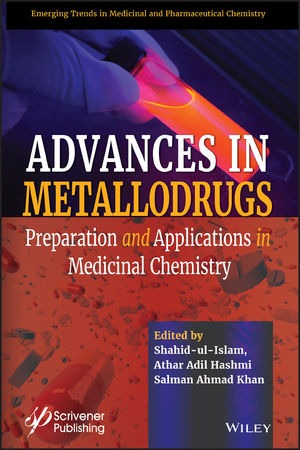
Advances in Metallodrugs : Preparation and Applications in Medicinal Chemistry
This book is organized into 12 important chapters that focus on the progress made by metal-based drugs as anticancer, antibacterial, antiviral, anti-inflammatory, and anti-neurodegenerative agents, as well as highlights the application areas of newly discovered metallodrugs. It can prove beneficial for researchers, investigators and scientists whose work involves inorganic and coordination chemistry, medical science, pharmacy, biotechnology and biomedical engineering
