



الصفحة 1
الصفحة 1

Omega-3 fatty acids : Keys to nutritional health
Argues for the importance of essential nutrients in our diet. Over the last two decades there has been an explosion of research on the relationship of Omega-3 fatty acids and the importance of antioxidants to human health. Expert authors discuss the importance of a diet rich in Omega-3 Fatty acids for successful human growth and development and for the prevention of disease. Chapters highlight their contribution to the prevention and amelioration of a wide range of conditions such as heart disease, diabetes, arthritis, cancer, obesity, mental health and bone health.

Omega 3 and Omega 6 and its relationship to obesity
This research summarizes information about omega-3 and omega-6. In recent times, there has been growing recognition of the key role of foods and beverages in disease prevention and treatment. Thus, the production and consumption of functional foods has gained much importance as they provide a health benefit beyond the basic nutritional functions. At present, PUFA (poly unsaturated fatty acids) as Omega-3 [(n-3)] fatty acids and Omega -6 [(n-6)] fatty acid have been linked to healthy aging throughout life. Recently, omega-3 fatty acids EPA (eicosapentaenoic acid ) and DHA (docosahexaenoic acid ) have been associated with cardiovascular function, and Alzheimer’s disease.
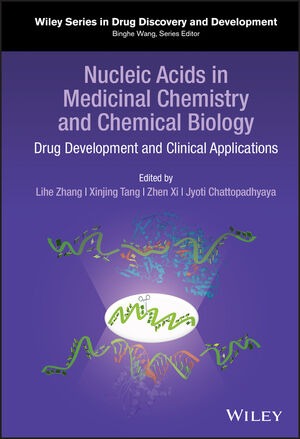
Nuucleic acids in medicinal chemistry and chemical biology : Drug development and clinical applications
Delivers a comprehensive overview of the chemistry and biology of nucleic acids and their therapeutic applications. The book emphasizes the latest research in the field, including new technologies like CRISPR that create novel possibilities to edit mutated genes at the genomic DNA level and to treat inherited diseases and cancers. The authors explore the application of modified nucleosides and nucleotides in medicinal chemistry, a variety of current topics on nucleic acid chemistry and biology, nucleic acid drugs used to treat disease, and more. They also probe new domains of pharmaceutical research, offering the reader a wealth of new drug discovery opportunities emerging in this dynamic field
Nutrition and dietary interventions in cancer
Presents the most up-to-date information on the effects of nutrition and food on cancer prevention and management. The book will provide clinicians and other healthcare practitioners with an educational source on how to educate cancer patients and their families on nutrition and dietary during cancer treatment. Recent nutritional epidemiology studies have occasionally produced controversial or unexpected results and highlight the need for additional research on diet and cancer risk. Chapters within the book focus among others on the role of natural antioxidants in cancer, the importance of micronutrients in cancer prevention and nutritional genomics and their role in cancer prevention.

Nutraceuticals in insomnia and sleep problems
Sleep is one of the most important and crucial physiological needs for maintaining a healthy life. However, in today’s day and age, insomnia and other sleep disorders, such as sleep apnea, are increasing rapidly. This new book details the nutraceuticals from foods that help to promote good health and optimum sleep. The authors discuss the importance of sleep, the role of diet in sleep, the role of specific vitamins and minerals, amino acids and opioids as nutraceuticals for sleep, newer technologies for use and delivery of nutraceuticals for treating insomnia, and more. The book not only explores nutraceuticals that promote optimum sleep but also details foods that cause insomnia, such as processed, chemical-rich, and refined foods. Chapters also cover commensal and symbiotic microbes, microbial metabolites, and bacteriocins and their impact on sleep. A chapter on the ethical issues related to addiction to nutraceuticals for sleep induction is also included.

Nutraceuticals in cardiac health management
Cardiovascular diseases (CVDs) constitute the major cause of death worldwide, claiming nearly 18 million lives each year. Multiple foods and nutraceuticals have been proven to reduce the risk of cardiovascular disease. This new book offers an informative update on the most recent scientific evidence addressing the use of nutraceuticals in the prevention and management of heart disease. It summarizes the functional foods that are involved in preventing the risk of CVDs, the mechanisms of the bioactive components that lower the risk of chronic illnesses, as well as the dietary patterns that are involved in the prevention of CVDs. It also covers specific nutraceuticals, including probiotics, dietary fibers, garlic, green tea, vitamins, tomatoes and other lycopene-rich fruits and vegetables, dietary supplements, bee products, and more. In addition, it focuses on detailing the endothelial effects of marine- and plant-derived omega-3 fatty acids and marine-derived natural flavonoids in hypertension and CVDs.

Nutraceuticals in arthritis and psoriasis : Management and prevention of diseases
Explores plant-derived nutraceuticals that can be used as crucial therapeutic tools in the prevention and treatment of arthritis and psoriasis, providing detailed information on the use of plant-derived nutraceuticals, such as microalgae and other marine botanicals, omega polyunsaturated fatty acids, glucosamine and chondroitin sulphate, plant-based gum, vitamins and oils, probiotic supplements, and others in the treatment and management of arthritis and psoriasis. The book relates the recent scientific evidence on the effectiveness of each of these nutraceutical treatments, offering case studies, results of clinical studies, and more.

Nutraceuticals and health care ; 1st ed.
Explores the role of plant-based nutraceuticals as food ingredients and as therapeutic agents for preventing various diseases. The book assesses the role of nutraceuticals in addressing cardiovascular disease, cancer, diabetes, and obesity by highlighting the derivatives, extraction, chemistry, mechanism of action, pharmacology, bioavailability, and safety of specific nutraceuticals. It analyzes twenty one nutraceuticals in a systematic way, providing a welcomed reference for nutrition researchers, nutritionists and dieticians, as well as other scientists studying related areas in food science, technology or agriculture. Students studying related topics will also benefit from this material.
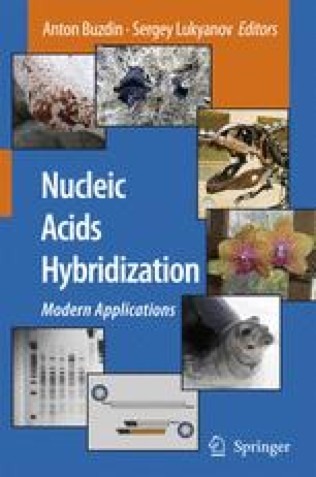
Nucleic Acids Hybridization : Modern Applications
Several approaches, such as microarray hybridization, have become extremely popular tools for specialists in biochemistry and biomedicine, while the potential of many other advantageous techniques seems to be underestimated. Written by an international team of authors, this book details the current state-of-art in hybridization techniques. Coverage includes experimental protocols along with comprehensive and detailed method descriptions.

Nucleic Acids and Proteins in Soil
With millions of different bacterial species living in soil, the microbial community is extremely complex, varying at very small scales. Microbe-driven functions are essential for most processes in soil. Thus, a better understanding of this microbial diversity will be invaluable for the management of the various soil functions. Nucleic Acids and Proteins in Soil combines traditional approaches in soil microbiology and biochemistry with the latest techniques in molecular microbial ecology. Included are methods to analyse the presence and importance of nucleic acids and proteins both inside and outside microbial cells, the horizontal gene transfer which drives bacterial diversity, as well as soil proteomes. Further chapters describe techniques such as PCR, fingerprinting, the challenging use of gene arrays for structural and functional analysis, stable isotope probing to identify in situ metabolic functions, and the use of marker and reporter genes in soil microbial ecology.

Nuclear pre-mRNA Processing in Plants
In recent years nuclear pre-mRNA processing has taken center stage as an important regulator of gene expression and ultimately growth and development. Large-scale genome and cDNA sequencing projects together with bioinformatic analyses of these sequences have revealed that alternative splicing of pre-mRNAs contributes greatly to transcriptome and proteome complexity in eukaryotes. During the last few years, tremendous progress has been made in understanding various aspects of pre-mRNA processing including alternative splicing and its importance in plant growth and development as well as in plant responses to hormones and stresses. This book, with contributions from leading scientists in this area, summarizes recent advances in nuclear pre-mRNA processing in plants. It provides researchers in the field, as well as those in related areas, with an up-to-date and comprehensive, yet concise, overview of the current status and future potential of this research in understanding plant biology.

NMR in Biological Systems : From Molecules to Human
During teaching NMR to students and researchers, we felt the need for a text-book which can cover modern trends in the application of NMR to biological systems. This book caters to the needs of: (i) graduate students who mostly learn such techniques from senior post-docs in the laboratory; (ii) those who are not experts in NMR but wish to understand if a particular problem in animal, plant, medical and pharmaceutical sciences can be answered by NMR; and (iii) those who are experts in chemistry and biochemistry and wish to know how NMR can provide them information on structural or functional aspect of proteins, nucleic acids, cells and tissues, human and plant organs and other biological materials.

Nitrogen Cycling in the Americas : Natural and Anthropogenic Influences and Controls
The rate of creation of reactive nitrogen (NR) on the earth has dramatically increased in the last half century mainly due to the production of N-fertilizer through the Haber-Bosch process, fossil fuel combustion, and the cultivation of plants that fix N from the atmosphere. The anthropogenic production of NR has been especially high in developed countries of the temperate zone, such as the USA and Canada, where severe eutrophication of estuaries and coastal zones, acidification of lakes and streams, loss of biodiversity, and reduced forest productivity have become common environmental problems associated with increasing nitrogen loads to ecosystems. This book presents a series of studies from across the Americas whose aim is to highlight key natural processes that control nitrogen cycling as well as discuss the main anthropogenic influences on the nitrogen cycle in both the tropical and temperate regions of the Americas.

New Techniques in Solid-State NMR
After the discovery of nuclear magnetic resonance, [1, 2] the new spectroscopy was used for the study of 1 H nuclei in liquids, but then the signal from copper in the receiver coil itself, the first observation of NMR in the solid state, was found.“Wide-line NMR”, named thus because of the line-broadening effects of dipolar interaction and chemical shift anisotropy, was not far behind, and soon led to significant advances through the analysis of spectral lineshapes. Inthis way Richards and Smith [3] demonstrated the presence of H3O+ cations in solid hydrates of strong acids, while Andrew and Eades [4] investigated the details of molecular motion in three solid benzenes. Even now, 50 years later, it is difficult to think of a technique which would provide a more convincing demonstration of the reality of these effects.

Neurochemical Aspects of Excitotoxicity
Leading researchers offer cutting-edge information on glutamate metabolism in the brain, examining the role of glutamate transporters and the involvement of glutamate receptors in the pathogenesis of acute neural trauma and neurodegenerative diseases.

Nectaries and Nectar
This book is a modern and interdisciplinary text on nectar and nectaries, prompted by the expansion of knowledge, especially in the more ecological and now molecular fields, and the strong recent interest in pollination biology.

N-Acetylaspartate : A Unique Neuronal Molecule in the Central Nervous System
N-acetylaspartate (NAA), the acetylated form of the amino acid aspartate, is one of the most highly concentrated chemicals in the brains of humans, yet its function remains elusive. This book reviews research from around the world in the study of NAA, and the roles it plays in neuronal development and functioning.

Mucins : Methods and protocols
Explores the latest advancements in mucin research. The chapters in this book are organized into 8 parts and cover a wide range of topics such as mucin extraction, isolation, physicochemical property analysis, and experimental methods. The chapters also discuss the origins of mucins in jellyfish, feces, saliva and salivary glands, bronchi, stomach, and cervical tract; organic synthesis of peptides glycosylated at specific sites; analysis of mucin gene expression and methylation-specific electrophoresis of genes; imaging of mucin networks by AFM; and experimental methods using supported molecular matrix electrophoresis. Written in the highly successful Methods in Molecular Biology series format, chapters include introductions to their respective topics, lists of the necessary materials and reagents, step-by-step, readily reproducible laboratory protocols, and tips on troubleshooting and avoiding known pitfalls.
Molecular Gels : Materials with Self-Assembled Fibrillar Networks
Molecular gels and fibrillar networks – a comprehensive guide to experiment and theory Molecular Gels: Materials with Self-Assembled Fibrillar Networks provides a comprehensive treatise on gelators, especially low molecular-mass gelators (LMOGs), and the properties of their gels. The structures and modes of formation of the self-assembled fibrillar networks (SAFINs) that immobilize the liquid components of the gels are discussed experimentally and theoretically. The spectroscopic, rheological, and structural features of the different classes of LMOGs are also presented. Many examples of the application of the principal analytical techniques for investigation of molecular gels (including SANS, SAXS, WAXS, UV-vis absorption, fluorescence and CD spectroscopies, scanning electron, transmission electron and optical microscopies, and molecular modeling) are presented didactically and in-depth, as are several of the theories of the stages of aggregation of individual LMOG molecules leading to SAFINs. Several actual and potential applications of molecular gels in disparate fields (from silicate replication of nanostructures to art conservation) are described. Special emphasis is placed on perspectives for future developments.
Molecular Diagnostic PCR Handbook
PREFACE The Joint FAO/IAEA Division of Nuclear Techniques in Food and Agriculture is involved in agricultural research and development and assists Member States of FAO and IAEA in improving strategies to ensure food security through the use of nuclear techniques and related biotechnologies, where such techniques have a valuable and often unique role. In particular, molecular diagnostic methods have rapidly evolved in the past twenty years, since the advent of the Polymerase Chain Reaction (PCR). They are used in a wide range of agricultural areas such as, improving soil and water management; producing better crop varieties; diagnosing plant and animal diseases; controlling insect pests and improving food quality and safety. The uses of nucleic acid-directed methods have increased significantly in the past five years and have made important contributions to disease control country programmes for improving national and international trade. These developments include the more routine use of PCR as a diagnostic tool in veterinary diagnostic laboratories. However, there are many problems associated with the transfer and particularly, the application of this technology. These include lack of consideration of: the establishment of quality-assured procedures, the required set-up of the laboratory and the proper training of staff. This can lead to a situation where results are not assured. This book gives a comprehensive account of the practical aspects of PCR and strong consideration is given to ensure its optimal use in a laboratory environment. This includes the setting-up of a PCR laboratory; Good Laboratory Practice and standardised of PCR protocols.
