



الصفحة 1
الصفحة 1

Natural anti-depressant drugs
Mental health problem and neurological disorders are a serious public health concern globally with more than one billion sufferers worldwide. Depression, anxiety, stress, and other mental disorders, which are on the rise worldwide, are indications that pharmacological therapy can have serious adverse effects, which is why many patients prefer to use herbal products to treat these symptoms. Because pharmacotherapy of depression is a long-term process associated with the risk of numerous adverse drug effects, much attention is paid to alternative therapy methods, including phytopharmacotherapy, especially in treating mild or moderate depression.

Nanoformulations in Human Health: Challenges and Approaches
This book is an amalgamation of knowledge, experience, and expertise in various aspects of nanotechnology, by experts who are proficient in designing novel nanoformulations that are used in the treatment of various challenging and prevalent diseases. It is an exhaustive compilation of the multi-faceted arena of nanoformulations and the healthcare system that caters to the needs of academicians, scholars, researchers, etc. The most important aspect of the book covers various types of nanoformulations and their applications in the treatment of communicable and non-communicable diseases. Each chapter focuses on a particular nanoformulation as well as a disease including the pathophysiology of the disease, the current treatment modalities of diseases, the role of nanoformulation in treatment and other future aspects and directions for further work. Coverage includes neuropathic pain, colon targeting, nose-to-brain drug delivery, cancer, arthritis and tuberculosis.

Microcirculation in Cardiovascular Diseases
This book offers an extensive review of the most recent data on the pathophysiological role of structural and functional alterations in the microcirculation, particularly focusing on hypertension and diabetes. It covers several relevant and innovative aspects, including the possible mechanisms involved in the development of microvascular remodeling and rarefaction, the technical approaches available for the detection of microvascular alterations, including non-invasive evaluations, the prognostic role of changes in small resistance artery structure, the possibility of preventing or regressing such alterations with appropriate treatment, and the potential clinical advantages of such intervention.

Human battle against obesity
Obesity is one of the most common preventable diseases and it is a medical condition in which excess fat has accumulated in the body, mostly in the subcutaneous tissues. Clinical obesity is considered to be present when a person has a body mass index of 30 or over. Obesity results from a chronic positive energy balance regulated by a complex interaction between endocrine tissues and the central nervous system, This activity reviews the pathophysiology of obesity, inflammatory markers secreted by excessive fat deposition in adipose tissue, and their effects on chronic diseases such as hypertension, diabetes, and dyslipidemia.

Herbal pharmacopeia : Nanotechnology and advancing drug
Explores the intersection between traditional herbal medicine and cutting-edge nanotechnology. The chapters introduce modern techniques used in herbal extraction and analysis. The principles of drug discovery from plants are discussed, with a focus on the identification and development of bioactive compounds that have therapeutic potential. It discusses the pharmacological properties, biotechnological approaches in drug development, and challenges in the formulation and standardization of herbal medicines. Emerging trends and applications of nanotechnology in herbal pharmacotherapy, such as nanoparticle synthesis, enhanced bioavailability using nanocarriers, safety assessments, novel and targeted delivery systems, and regulatory considerations, are thoroughly discussed. Additionally, it includes a comparative analysis of traditional and nano-formulated approaches and their implementation in clinical settings. Towards the end, the book reviews the regulatory considerations for herbal products and future perspectives in herbal pharmacopeia. This book is intended for researchers, clinicians, and professionals in herbal medicine, pharmacology, and nanotechnology.

Goodman & Gilman's the pharmacological basis of therapeutics ; 13th ed.
Correlates pharmacology with related medical sciences, to reinterpret the actions and uses of drugs in light of advances in medicine and the basic biomedical sciences, to emphasize the applications of pharmacodynamics to therapeutics, and to create a book that would be useful to students of pharmacology and to physicians.

Evaluation of wound healing activity of saffron
Medical plants have started to consider an essential source in treating / preventing various kinds of diseases. Each plant consists of several important ingredients that can be used in medical field, and can be involved in the development of different kind of drugs. A lot of undeveloped countries or even developed countries are using herbal medicine in maintain human wellbeing, personal health condition, and treating certain type of disease...

Drug utilization research : Methods and applications
Drug Utilization Research (DUR) is a discipline which combines aspects of pharmacotherapy, epidemiology, and health services research into an interdisciplinary set of methods for analyzing and assessing the prescribing, dispensing and consumption of medicines. It combines both qualitative and quantitative approaches to facilitate the safe and effective use of pharmaceuticals. Drug Utilization Research: Methods and Applications provides a comprehensive introduction to this discipline, prepared by an international team of authors with broad experience in numerous fields. Now reorganized and updated to reflect the latest research and global challenges, it is an indispensable resource for understanding the use of pharmaceuticals.

Drug transporters : Molecular characterization and role in drug disposition
Drug Transporters: Molecular Characterization and Role in Drug Disposition provides in-depth analysis of the conceptual evolution and technical development for studying drug transporters. Contributions by an international panel of leading researchers address advances in transporters as drug targets, transporters in pharmacotherapy, the impact of transporters on drug efficacy and safety, the development of sophisticated model systems and sensitive assay methods, and more. Divided into two parts, the book first provides a thorough overview of relevant drug transporters before detailing the principles of drug transport and associated techniques.

DiPiro’s pharmacotherapy : A pathophysiologic approach
It is this in-depth knowledge of pharmacotherapy, combined with the clinical experience gained through postgraduate training in direct patient care practice, that allows the pharmacist to be the "medication therapy expert" on the healthcare team and to proactively address medication-related problems.It is provides knowledge necessary to prevent, identify, and manage disease and medication-related problems

Cough : Pathophysiology, diagnosis and treatment
This book provides an updated and comprehensive overview of cough, while opening new perspectives for their treatment and management. It enables readers to not only discover new physiologic features and mechanisms but also to gain an in-depth understanding of the diagnostic workup of cough, still one of the most frequent and challenging symptoms in daily medical practice. The book also provides insights into cough’s features and pathogenesis, as well as into pharmacologic and non-pharmacologic treatments. The most frequent causes of chronic cough (asthma, postnasal drip, gastroesophageal reflux and chronic hypersensitivity syndrome) and different types of pediatric cough are also explored.

Concepts and Controversies in Obsessive-Compulsive Disorder
Few syndromes in psychopathology generate as much popular curiosity and clinical exploration as does obsessive-compulsive disorder (OCD). Speci?c advances include an improved grasp of the heterogeneity of the disorder, identi?cation of putative subtyping schemes, and the development of increasingly sophisticated theoretical models of the etiology and maintenance.
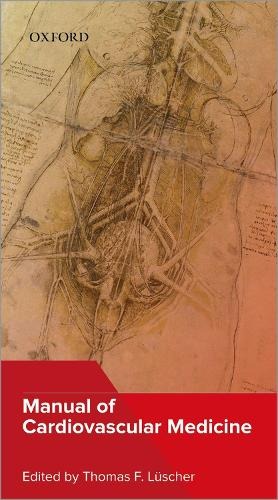
Manual of cardiovascular medicine
Cardiovascular medicine has experienced an unforeseen and impressive development over the last fifty years, particularly recently, as new diagnostic innovative medications have been developed, as well as interventional and surgical procedures to treat patients with cardiac disease. Thus, the number of cardiovascular diagnoses, the number of diagnostic modalities, as well as the number of treatment options has expanded enormously and made cardiovascular medicine one of the biggest specialties in medicine. This cardiovascular manual focuses on diagnostic algorithms and therapeutic recommendations according to European Guidelines. It encompasses all aspects of cardiovascular medicine from hypertension to transplantation; from imaging to intervention; and from pharmacotherapy to surgical procedures.

Chemotherapy and pharmacology for leukemia in pregnancy : Guidelines and strategies for best practices
The book addresses a broad range of subjects, including: pregnancy and its characteristics; staging, pathology, morbidity and what to expect in each type of leukemia; chemotherapy for leukemia in pregnant women with complete trials; dose adjustment of chemotherapy for leukemia in pregnancy based on serum dosages; and pharmacokinetics and pharmacodynamics for this unique group of patients. In turn, subsequent chapters focus on protecting the fetus and neonatal management regarding chemotherapy for leukemia in pregnancy, including the treatment and risks for the fetus (for each type of leukemia), intrathecal therapy and its effects on the fetus; supportive drugs, antibiotics and antifungals for pregnant patients during chemotherapy, including intervention and dose adjustments; palliative care for women with leukemia in pregnancy; breastfeeding during treatment for leukemia; pharmacological aspects of supplements, vitamins and nutrition in pregnancy during leukemia treatment; and more.
Brain and Heart Dynamics
Despite the increasing awareness that neural mechanisms are the primary cause of cardiac disease and its progression, therapy continues to focus on end-organ protection and does not approach the neural core of the problem. Growing public health problems such as heart failure are still treated with autonomic drugs that are 30-40 years old and simply act on cardiac receptors. However, it has now been shown that the progression of ischemic heart disease to heart failure is mainly due to abnormal central responses to incipient cardiac disease, with neural activation the primary cause rather than the consequence of cardiac remodeling.
Anxiety disorders : A pocket guide for primary care
In Anxiety Disorders: A Pocket Guide for Primary Care, distinguished clinicians combine over a century of experience into concise, practical information and techniques for the diagnosis, evaluation, and effective management of psychiatric disorders.

Anti-Obesity drugs
As a chronic and relapsing disease, obesity impairs metabolism and causes diabetes, cardiovascular diseases and cancer. Although behavioral modification is important for the treatment of obesity, it is difficult to achieve an ideal weight or sustain the process of long-term weight loss. Therefore, the obesity control guidelines strongly recommend lifestyle interventions along with medical treatment for patients who are overweight. There is sufficient evidence supporting that pharmacotherapy in combination with behavior-based interventions can result in significant weight loss and improvement of the health.
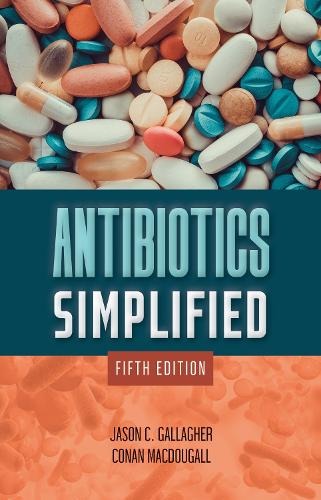
Antibiotics Simplified
Designed to bridge knowledge gained in basic sciences courses with clinical practice in infectious diseases. This practical text reviews basic microbiology and how to approach the pharmacotherapy of a patient with a presumed infection. It also contains concise Drug Class Reviews with an explanation of the characteristics of various classes of antibacterial drugs and antifungal drugs.
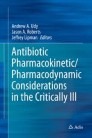
Antibiotic pharmacokinetic : Pharmacodynamic considerations in the critically Ill
Provides unique insights into the issues that drive modified dosing regimens for antibiotics in the critically ill. Leading international authors provide their commentary alongside a summary of existing evidence on how to effectively dose antibiotics. Severe infection frequently necessitates admission to the intensive care unit (ICU). Equally, nosocomial sepsis often complicates the clinical course in ICU. Early, appropriate application of antibiotic therapy remains a cornerstone of effective management. However, this is challenging in the critical care environment, given the significant changes in patient physiology and organ function frequently encountered. Being cognisant of these factors, prescribers need to consider modified dosing regimens, not only to ensure adequate drug exposure, and therefore the greatest chance of clinical cure, but also to avoid encouraging drug resistance.

Allergic rhinitis
Allergic rhinitis is a very common disorder that affects people of all ages, peaking in the teenage years. It is frequently ignored, underdiagnosed, misdiagnosed, and mistreated, which not only is detrimental to health but also has societal costs. Although allergic rhinitis is not a serious illness, it is clinically relevant because it underlies many complications, is a major risk factor for poor asthma control, and affects quality of life and productivity at work or school. Management of allergic rhinitis is best when directed by guidelines. A diagnostic trial of a pharmacotherapeutic agent could be started in people with clinically identified allergic rhinitis; however, to confirm the diagnosis, specific IgE reactivity needs to be recorded.
