



الصفحة 1
الصفحة 1

Natural Products Targeting Clinically Relevant Enzymes
Covers the full spectrum of clinically relevant enzymes that are known to be targeted by natural products. Key enzymes include acetylcholine esterase, angiotensin-I-converting enzyme, cyclooxygenase, dihydrofolate reductase, phospholipase A2, respiratory complexes, and many more. By connecting the diversity of medicinal natural product sources with their potential clinical applications, this volume serves as a companion for the medicinal chemist looking for innovative small molecule compounds as well as for pharmacologist interested in the clinical effects and mode of action of herbal and traditional medicines.

Natural occurrence and biological activities of quinoline derivatives
Provides a comprehensive overview of quinoline derivatives, focusing on their chemical structure, biological activities, and therapeutic benefits. It delves into the natural sources of these derivatives, covering their isolation, characterization, and potential therapeutic applications, particularly in areas such as anti-cancer, anti-inflammatory, antimicrobial, and antimalarial activity. With its emphasis on providing valuable reference material, this book is an indispensable resource for researchers, educators, and professionals in the fields of chemistry, biology, pharmacology, and drug discovery.

Methods of microarray data analysis V
In this volume, all investigators analyzed a single dataset on the lifecycle of the most deadly of malaria parasites, Plasmodium falciparum. The emphasis this year is on the application of novel and existing computational methodologies towards infectious disease. We highlight an introductory chapter by Raphael D. Isokpehi, a leading expert in the field of malaria. Ten of the papers presented at the conference are included, which range from the inference of genetic networks to the analysis of the spatial correlation of array data. This book is an excellent reference for academic and industrial researchers who want to keep abreast of the state-of-the-art in microarray data analysis.

Immunology and Immunopathogenesis of Malaria
This collection of reviews addresses many of these important issues of malarial immunity and immunopathology. They are of interest not only to malariologists, but hopefully also to the broader immunological community. Strong interactions with, and feedback from immunologists working in other infectious diseases and in basic immunology will help us to move the field of malaria immunology and therapeutic intervention forward more quickly.

Hot Topics in Infection and Immunity in Children III
This book is based on the course “Infection and Immunity in Children 2005” which was held at St Catherine’s College Oxford, UK in June 2005. This is the third book in this series covering topics in infection and immunity during childhood and based on the Oxford courses. These courses, and their companion books, are aimed at encouraging excellence in clinical practice and raising the pro? le of paediatric infectious disease with a particular eye on the needs of trainees in the specialty. At the time of writing a fourth course is already at an advanced stage of planning for June 2006 with a completely new programme once again. You will ? nd in this book a wealth of state of the art information about various aspects of paediatric infectious diseases written by leading authorities in the ? eld. We hope this volume will bring new insights into the management of children with infectious diseases and improve the health of children.

HIV, resurgent infections and population change in Africa
This book aims to contribute to these efforts by offering a demographic and epidemiological perspective on emerging and reemerging infections in sub-Saharan Africa.

Health research in developing countries : A collaboration between Burkina Faso and Germany
Health research in developing countries has many facets. On one side, malaria and AIDS as main causes of morbidity and mortality are a focus for clinical and epidemiological studies. On the other side, the need for improving the health care system in general cannot be overestimated. The book offers a survey of current and important topics of health research in developing countries. Special emphasis is placed to show that cooperation of different health research areas if of highest importance in future. In addition the CRSN (Burkina Faso) - University of Heidelberg collaboration is given as a model that allows high class research in remote areas of any developing country. An absolutely must for all who are working in clinical, epidemiological and health systems research for and in developing countries.

Handbook of Bioterrorism and Disaster Medicine
This comprehensive volume, written by experts in the field, is the essential portable handbook on bioterrorism and disaster medicine. The volume covers all pertinent topics with meticulous organization and includes an abundance of invaluable web-based resources. Written as both a practical and clinical guide to various types of disasters, it includes planning and response procedures to help mitigate the impact of disasters on affected individuals and communities. Designed to be used in the field, all the essential aspects are included: public health, bioterror agents, chemical warfare, radioactive agents, manmade disasters, natural disasters, humanitarian disasters, infectious and tropical diseases, and basics of emergency medicine. Handbook of Bioterrorism and Disaster Medicine is the ideal tool for researchers, first responders, medical students, physicians, and other healthcare providers who work in the field.

Drug interactions in infectious diseases : Antimicrobial drug interactions
Delivers a quick clinical resource that distills relevant drug interactions by antimicrobial drug class. The book provides informative tables on specific drug-drug interactions that include the degree and severity of the expected interaction. A mechanistic basis for drug-drug interactions is also provided to link observed interactions to pharmacologic characteristics of key drug classes. This complete resource is organized by major antibacterial, antimycobacterial, antiviral, antifungal, antimalarial, and antiprotozoal class. In line with current innovations in antimicrobial drug development, a distinct chapter on the pharmacologic management of drug interactions in hepatitis B virus (HBV) and hepatitis C virus (HCV)-related infections is included. Two new chapters are dedicated to the management of human immunodeficiency virus (HIV) drug-drug interactions given the breadth of antiretroviral class-specific effects. This comprehensive review of known drug interactions and strategies to manage them is an invaluable resource to all health care practitioners.

Combination therapy against multidrug resistance
Explores strategic methods with investigation of both short- and long-term goals to combat multidrug resistance Presents a broad scope to understand fully the ways to apply combined therapy to multidrug resistance Provides an overview of combination therapy, but also includes specific cases such as cancer, tuberculosis, HIV and malaria
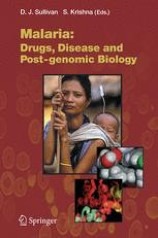
Malaria: Drugs, Disease and Post-genomic Biology
This volume brings some of the worlds best investigators to describe recent advances in both the scientific and clinical aspects of malaria, and bridges between the two. The opening chapters discuss antimalarials and resistance to them in Africa and Asia. Then there are reviews of the different clinical manifestations of malaria, ranging from uncomplicated infections to severe disease and its complications.

Malaria disease and modern treatments
Some population groups are at considerably higher risk of contracting malaria and developing severe disease: infants, children under 5 years of age, pregnant women and patients with HIV/AIDS, as well as people with low immunity moving to areas with intense malaria transmission such as migrant workers, mobile populations and travellers. Malaria is an acute febrile illness caused by Plasmodium parasites, which are spread to people through the bites of infected female Anopheles mosquitoes. There are 5 parasite species that cause malaria in humans, and 2 of these species – P. falciparum and P. vivax – pose the greatest threat. P. falciparum is the deadliest malaria parasite and the most prevalent on the African continent. P. vivax is the dominant malaria parasite in most countries outside of sub-Saharan Africa.
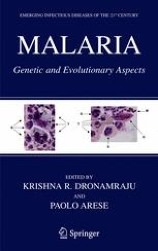
Malaria : Genetic and Evolutionary Aspects
This book was originally conceived at a conference at the University of Turin in Italy. The conference was organized to examine the so-called “Malaria Hypothesis”, that is to say, the higher fitness of t- lassemia heterozygotes in a malarial environment, and to pay tribute to the proponent of that hypothesis, J.B.S. Haldane. Contributors to this book examine certain genetic and evolutionary aspects of malaria which is a major killer of human populations, especially in Africa and Asia. There were attempts to discredit Haldane’s contribution from two directions: (a) it has been suggested that the “Malaria Hypothesis” was known long before Haldane and that there was nothing original about his idea (Lederberg 1999), and that (b) the hypothesis of heterozygote su- riority was first suggested by the Italian biologist Giuseppe Montalenti who communicated his idea to Haldane (Allison 2004).
Bioactive Heterocycles III
Bioactive Heterocycles III provides readers with a comprehensive overview of the most recent breakthroughs in the ?eld of heterocycles. This volume contains 8 chapters written by experts in their respective ?elds from all over the world. The chapters summarize years of extensive research in each area, and providein sight in the new themesofnaturalproduct research.Manyofthe contributors illustrate their laboratory experiences. It's obvious that readers will gain exciting and essential information fromthe volume. In the ?rst chapter, Kayser et al. describe the chemistry, biosynthesis and biological activities of artemisinin, one of the most promising antimalarial molecules, and its related natural peroxides.

Artificial intelligence : The revolution of drug discovery
The successful application of AI is dependent on the availability of high-quality data, the addressing of ethical concerns, and the recognition of the limitations of AI-based approaches. Moreover artificial intelligence has been a game changer in the past decade. AI proved his worth by making the impossible possible in a short period of time. The health care industry has adopted artificial intelligence technology to deal with the ever-changing therapeutic and drug requirements of patients every day, as we encounter new viruses for which no antidote has been prepared, such as the Corona virus, diseases such as malaria, and the most important problem is the resistance to antibiotics by superbugs that are constantly developing new resistance mechanisms causing harm and confusion.
Antimalarial natural products
Begins with a short history of malaria and follows with a summary of its biology. It then traces the fascinating history of the discovery of quinine for malaria treatment, and then describes quinine’s biosynthesis, its mechanism of action, and its clinical use, concluding with a discussion of synthetic antimalarial agents based on quinine’s structure. It also covers the discovery of artemisinin and its development as the source of the most effective current antimalarial drug, including summaries of its synthesis and biosynthesis, its mechanism of action, and its clinical use and resistance. A short discussion of other clinically used antimalarial natural products leads to a detailed treatment of additional natural products with significant antiplasmodial activity, classified by compound type.
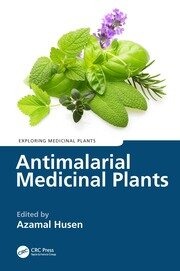
Antimalarial medicinal plants
Malaria continues to affect a large population of the world, especially in third world countries. The spread of drug-resistant parasites demonstrates the need for antimalarial agents with various modes of action. The search for remedies derived from medicinal plants for the treatment of malaria is reliant on accurate ethnobotanical and ethnopharmacological information obtained from traditional medical practitioners. Antimalarial Medicinal Plants provides information on bioactive compounds and therapeutic potentials of several antimalarial plant species found around the globe. This book evaluates these plant species with respect to their biology, diversity, distribution, and pharmacological values.
