



الصفحة 1
الصفحة 1

Oncology : An Evidence-Based Approach
Reflect the principles and current practice of oncology with contributors from the fields of medical, surgical, and radiation oncology. The textbook will incorporate an evidence-based approach, enabling the reader to make decisions on the basis of concrete data. Sections on solid tumors, hematologic malignancies and the practice of oncology address the natural history and therapy for the full spectrum of neoplastic diseases in the adult. Further sections present fundamentals of supportive care of the cancer patient, the management of oncologic emergencies and acute toxicities of therapy, as well as care of metastatic disease and the terminally-ill patient. Breaking new ground, the textbook features thoughtful, in-depth sections on cancer prevention and control, cancer surviorship, the economics of cancer care, and cancer informatics. Cancer imaging is covered with an organ system-based approach, with an additional chapter on the especially intriguing potential of PET. Furthermore, a comprehensive section on translational basic science reviews the fundamentals of molecular biology, the cell cycle and signal transduction, carcinogenesis, cancer genetics, the biology of invations and metastasis, and tumor immunology.

Oncogenes Meet Metabolism : From Deregulated Genes to a Broader Understanding of Tumour Physiology
In 1920s, Otto Warburg described the phenomenon of ‘aerobic glycolysis’, the ability of tumour cells to convert glucose to lactate in the presence of normal oxygen conditions. Warburg’s hypothesis of an altered metabolism in cancer cells found no immediate acceptance, though it was latter confirmed for most human tumours. With the advent of molecular biology the focus in tumour research has shifted towards the search for oncogenes. However, the interest in cancer molecular profiling eventually led to a renaissance of the Warburg effect trying to combine genetic alterations with effects on metabolism with the help of modern analytic technologies to rapidly analyze broad varieties of metabolites in various tissues and bodyfluids (metabonomics).
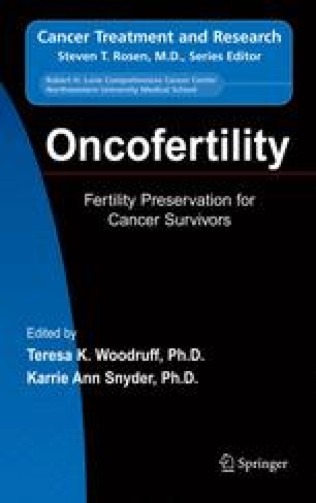
Oncofertility : Fertility Preservation for Cancer Survivors
While cancer survival rates have increased steadily over the last several decades, particularly among younger patients, the more aggressive forms of treatment that have made this possible often compromise a cancer patient's ability to later have biological children. In the past, pregnancy after cancer was largely unheard of. Today it is increasingly a possibility due to high survivorship rates in general and emerging reproductive technologies that give patients and their families options at the time of diagnosis to ensure a patient's future fertility (cryopreservation of ovarian tissue).
Omega-3 fatty acids : Keys to nutritional health
Argues for the importance of essential nutrients in our diet. Over the last two decades there has been an explosion of research on the relationship of Omega-3 fatty acids and the importance of antioxidants to human health. Expert authors discuss the importance of a diet rich in Omega-3 Fatty acids for successful human growth and development and for the prevention of disease. Chapters highlight their contribution to the prevention and amelioration of a wide range of conditions such as heart disease, diabetes, arthritis, cancer, obesity, mental health and bone health.

Obsessed by a Dream: The Physicist Rolf Widerøe – a Giant in the History of Accelerators
This biography chronicles the life and achievements of the Norwegian engineer and physicist Rolf Widerøe. Readers who meet him in the pages of this book will wonder why he isn't better known.

Obesity and Cancer
This book highlights the concordance between signaling pathways that are involved in obesity and cancer cross-talks. It describes the role of cytokines, chemokines, growth factors, insulin, and adipokines in the development of obesity-associated cancers. The book reviews the role of inflammatory signaling pathways such as estrogen-mediated signaling, mTOR and AMP-activated protein kinase pathway and the involvement of adaptive and innate immunity, oxidative stress, gene polymorphism, dietary phytochemicals, and miRNAs in obesity and cancer. In addition, it covers the latest research on the drugs and natural therapeutic agents that target obesity-induced cancers and discusses various in vivo models for studying obesity and obesity-associated cancer. Lastly, it analyses the role of genetic polymorphisms in the obesity-related genes that influence cancer development.
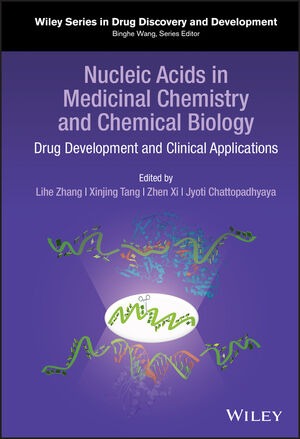
Nuucleic acids in medicinal chemistry and chemical biology : Drug development and clinical applications
Delivers a comprehensive overview of the chemistry and biology of nucleic acids and their therapeutic applications. The book emphasizes the latest research in the field, including new technologies like CRISPR that create novel possibilities to edit mutated genes at the genomic DNA level and to treat inherited diseases and cancers. The authors explore the application of modified nucleosides and nucleotides in medicinal chemistry, a variety of current topics on nucleic acid chemistry and biology, nucleic acid drugs used to treat disease, and more. They also probe new domains of pharmaceutical research, offering the reader a wealth of new drug discovery opportunities emerging in this dynamic field

Nutrition, diet and healthy aging
Over the last 100 years, the numerous advances in science, the improved sanitary conditions and a decline in poverty have led to an increase in life expectancy. As a result, in the coming years, the number of over-65s will triple, and the over-80s will be the fastest growing portion of the population. However, an increased lifespan is associated with an increase in chronic diseases, such as cardiovascular disease, diabetes, cancer, sarcopenia, and degenerative disorders. Therefore, ideally, increased lifespan should be associated to a better healthspan, which is the period one individual is living in good health

Nutrition of cancer patient
According to world statistics, nutrition is estimated to contribute to about one-third of preventable cancers, nearly the same amount as the contribution of smoking. It is defined as the processes by which living organisms' intake of food and drink is used by the body for fuel, growth, reproduction, and the overall maintenance of health. Thus, sufficient nutritional consumption is essential for well-being. Consequently, it is an important part of life, cancer treatment, recovery, and prevention; eating the necessary nutrients prior to, during, and after a cancer treatment would aid the patient in the recovery process. A healthy diet means a stable nourishment, and includes obtaining sufficient amounts of essential nutrients (vitamins, minerals, protein, carbohydrates, fat, and water) the body needs. Inadequate intake of essential vitamins and minerals might explain the epidemiological findings that people who eat only small amounts of fruits and vegetables have an increased risk of developing cancer.

Nutrition and Gastrointestinal Disease
Nutritional support of people with gastrointestinal impairment is critical to treatment and ultimately successful management. As such, gastroenterologists should be experts in nutrition and knowledgeable about the affects of nutrition on disease management. Nutritional and Gastrointestinal Disease fulfills that need, serving as a hands-on, practical reference in nutrition support for the clinical gastroenterologist and other clinicians with similar interests. The volume offers expert nutritional knowledge and management ideas as well as methodology for combating problems such as short bowel syndrome, inflammatory bowel disease, celiac disease and obesity. Renowned authorities also investigate nutrition’s influence on such issues as liver failure and acute pancreatitis. While gastroenterology training programs around the world remain deficient in their nutrition curriculum, Nutritional and Gastrointestinal Disease provides a comprehensive and groundbreaking support for clinical gastroenterologists.
Nutrition and dietary interventions in cancer
Presents the most up-to-date information on the effects of nutrition and food on cancer prevention and management. The book will provide clinicians and other healthcare practitioners with an educational source on how to educate cancer patients and their families on nutrition and dietary during cancer treatment. Recent nutritional epidemiology studies have occasionally produced controversial or unexpected results and highlight the need for additional research on diet and cancer risk. Chapters within the book focus among others on the role of natural antioxidants in cancer, the importance of micronutrients in cancer prevention and nutritional genomics and their role in cancer prevention.

Nutrition and diet in health: Principles and applications
Food provides us with essential nutrients involved in many physiological activities and biological processes in the body including growth and development, metabolism, immune function, and overall well-being. Nutrition and Diet in Health: Principles and Applications reviews and discusses the issues related to the roles of nutrition and diets in human health and diseases. The book contains two sections - one section features principles, the other, covers applications. Part One provides information on sustainable use of nutrition and diets in health and diseases; advanced biotechnological approaches to improve nutritional content of food; trace elements in nutrition; drug and nutrient interactions; functional foods and nutraceuticals in health maintenance; and Bio markers of functional foods and nutraceuticals in health maintenance. Part Two discusses the significance of nutrition in selected human diseases, including cardiovascular diseases, cancer, infection, neurodegenerative diseases, and metabolic co-morbidities. It also discusses optimal nutrition for wellness, fitness, pregnancy, mental health, aging, and longevity.

Nutrigenomics and nutraceuticals
Provides an authoritative and comprehensive overview of the field of nutraceuticals and genomics—also called nutrigenomics, a rapidly growing field. It discusses both nutrigenomic and nutrigenetic techniques to investigate the nutritional basis of several health disorders because scientists have found that diet can affect gene expression. The book covers the nutrigenomic tools for the prevention of disease conditions such as cancer, viral infection, microbial infection, COVID-19, HIV/AIDS, tuberculosis, hypertension, neurodegenerative disease, obesity, baldness, and anemia. Some nutrigenomic tools that can also be used for brain health, weight loss, human nutrition, skin care, and maintaining health during pregnancy are also explored.

Nutraceuticals for the treatment and prevention of sexual disorders
Covers diverse aspects of sexual dysfunctions and the role of nutraceutical therapeutics, applying both traditional knoweldge and modern evidence-based research. The new book focuses on the use of nutraceuticals on sexual disorders, highlighting the working solutions as well as open problems and future challenges in the use of nutraceuticals in sexual disorder research. Disucssing state-of-the-art developments and trends in this field, the book covers the use of antioxidants in stress-induced male infertility, the role of nutraceuticals in prostate cancer, male sex hormone disturbances, and the impact of nutraceuticals on male accessory organs. The book also addresses the use of nutraceuticals on female sexual disorders and remedial measures in treating breast cancer, cervical complications, pregnancy health and disorders, menstrual disturbances, female sex hormones, female infertility, and prevention of vaginal infections. The book also covers the use of nutraceuticals to combat general sexual disorders such as urinogenital complications, geriatric sexual functions, traditional nutraceuticals use for sexual disorders, the use of nutritional spices for sexual disorders, and the role of nutraceuticals on transgendered individuals.

Nutraceuticals and health care ; 1st ed.
Explores the role of plant-based nutraceuticals as food ingredients and as therapeutic agents for preventing various diseases. The book assesses the role of nutraceuticals in addressing cardiovascular disease, cancer, diabetes, and obesity by highlighting the derivatives, extraction, chemistry, mechanism of action, pharmacology, bioavailability, and safety of specific nutraceuticals. It analyzes twenty one nutraceuticals in a systematic way, providing a welcomed reference for nutrition researchers, nutritionists and dieticians, as well as other scientists studying related areas in food science, technology or agriculture. Students studying related topics will also benefit from this material.
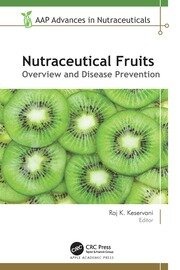
Nutraceutical fruits : Overview and disease prevention
While nutritional supplements have enormous advantages, food ingredients such as fruits and vegetables can play a significant preventative and therapeutic role in our daily lives. Fruits are found to have anti-inflammatory, antibacterial, antifungal, and chemopreventive properties that can boost health, as well as prevent diseases. This new book explores the use of fruits as nutraceuticals for alternative treatment, as well as for disease prevention. It looks at how nutraceutical fruits can be used to prevent and manage a range of diseases that include mental illness, cancer, respiratory and lung diseases, cardiovascular diseases, liver disease, inflammatory bowel diseases, sleep disorders, etc. The book also looks at the roles of nutraceutical fruits in the metabolic syndrome and provides information regarding the safety and toxicity of neutraceutical fruits.

Nuclear Law : The Global Debate
This open access book traces the journey of nuclear law: its origins, how it has developed, where it is now, and where it is headed. As a discipline, this highly specialized body of law makes it possible for us to benefit from the life-saving applications of nuclear science and technology, including diagnosing cancer as well as avoiding and mitigating the effects of climate change. This book seeks to give readers a glimpse into the future of nuclear law, science and technology. It intends to provoke thought and discussion about how we can maximize the benefits and minimize the risks inherent in nuclear science and technology. This compilation of essays presents a global view in discipline as well as in geography.
Novel Carrier Systems for Targeted and Controlled Drug Delivery
Presents novel carrier systems for the targeted and controlled drug delivery for the treatment of various diseases which are difficult to be treated with conventional drug delivery systems like cancer, autoimmune disorders, and emerging infectious diseases. It also reviews the origins and applications of stimuli-responsive polymer systems and polymer therapeutics such as polymer-protein and polymer-drug conjugates. The book also explores the potential applications of the parenteral route of administration for the delivery of active pharmaceutical substances with a narrow therapeutic index and poor bioavailability. Further, the book presents common routes of administration for the systemic delivery of peptides and proteins. It also examines the applications of various implantable systems in drug delivery. The book also covers the important colloidal drug delivery systems, including liposomes and niosomes and solid lipid nanoparticles, and nanostructured lipid carriers.

Notch Signaling in Embryology and Cancer : Notch Signaling in Cancer
This thoroughly revised second edition is an up-to-date overview of the current knowledge of Notch and Notch signaling in embryology and cancer. It discusses this topic from Notch’s role in the development of the embryo to the Notch signaling pathway’s role in the development of a number of cancers, including breast cancer, malignant melanoma, Non-melanoma skin cancer, intestinal cancer and others. In the years since the previous edition, there have been numerous developments and insights within this rapidly moving field, making this new edition urgently needed. This volume also features discussions of current insights on Notch’s role in senescence, the regulation of Notch signaling by microRNAs, Notch’s role in the microbiome, diet and its influence on Notch signaling and more.

Noncommunicable diseases
Focuses on cardiovascular disease, diabetes, cancer and chronic respiratory disease and their five shared main risk factors (tobacco use, harmful use of alcohol, unhealthy diet, physical inactivity and air pollution) as defined by the United Nations, this book provides a synopsis of one of the world’s biggest challenges of the 21st century. NCDs prematurely claim the lives of millions of people across the world every year, with untold suffering to hundreds of millions more, trapping many people in poverty and curtailing economic growth and sustainable development. While resources between and within countries largely differ, the key principles of surveillance, prevention and management apply to all countries, as does the need to focus resources on the most cost-effective and affordable interventions and the need for strong political will, sufficient resources, and sustained and broad partnerships. This compendium consists of 59 short and accessible chapters in six sections: (i) describing and measuring the burden and impact of NCDs / (ii) the burden, epidemiology and priority interventions for individual NCDs / (iii) social determinants and risk factors for NCDs and priority interventions / (iv) global policy / (v) cross-cutting issues / and (vi) stakeholder action.
