



الصفحة 96
الصفحة 96
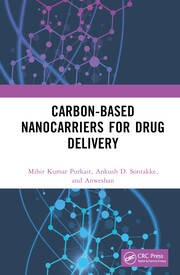
Carbon-based nanocarriers for drug delivery
Carbon-Based Nanocarriers for Drug Delivery enlists the latitudes and advancements in the synthesis processes, functionalization, and applications of carbon-based nanomaterials (CBNs) in targeted drug delivery systems (DDSs). It covers the applicability and suitability of CBNs as nanocarriers for efficient drug delivery application via elucidating the recent advancements in CBNs, their functionalized and innovative derivatives, and the relevant case studies. The book explores the necessity, efficacy, toxicological aspects, and challenges for the application of CBN in targeted DDSs.
Carbonate Reservoir Characterization : An Integrated Approach
One principal need in petroleum recovery from carbonate reservoirs is the description of the three-dimensional distribution of petrophysical properties in order to improve performance predictions by means of fluid-flow computer simulations. The book focuses on a rock based approach for the integration of geological, petrophysical, and geostatistical methods to construct a reservoir model suitable to input into flow simulation programs. This second edition includes a new chapter on model construction and new examples of limestone, dolostone, and touching-vug reservoir models as well as improved chapters on basic petrophysical properties, rock-fabric/petrophysical relationships, calibration of wireline logs, and sequence stratigraphy.

Carbon monoxide in drug discovery, basics, pharmacology, and therapeutic potential
Carbon monoxide, one of the smallest organic natural molecules, is widely known for its toxicity. Formation of CO via incomplete combustion is a major contributing factor to accidental or intentional CO poisoning, leading to severe health consequences or death. In addition, CO is a by-product of tobacco smoking, and has been associated with some of the harmful effects of smoking. However, less known and probably far more important is the recognition of the essential physiological roles of CO as a signaling molecule in mammals. Against over more than a century of negative connotation, the last few decades have proven that CO possesses a multitude of physiological roles and therapeutic functions including regulation of the immune response, cellular proliferation, and control of cell survival. This concept is supported by the discovery that CO is produced by all cells and more so under conditions of stress. This book comprehensively summarizes key aspects of CO's endogenous roles, therapeutic functions, and challenges that we face in its development as a therapeutic agent. We hope this preface will provide a thread for reading this book and a birds-eye view of the landscape for understanding this field, and more importantly lay out the challenges ahead in understanding the detailed mechanisms of action of CO and in its development as a therapeutic agent.

Carbon in the Geobiosphere : Earth's outer shell
Carbon and carbon dioxide always played an important role in the geobiosphere that is part of the Earth’s outer shell and surface environment. The book’s eleven chapters cover the fundamentals of the biogeochemical behavior of carbon near the Earth’s surface, in the atmosphere, minerals, waters, air-sea exchange, and inorganic and biological processes fractionating the carbon isotopes, and its role in the evolution of inorganic and biogenic sediments, ocean water, the coupling to nutrient nitrogen and phosphorus cycles, and the future of the carbon cycle in the Anthropocene. This book is mainly a reference text for Earth and environmental scientists; it presents an overview of the origins and behavior of the carbon cycle and atmospheric carbon dioxide, and the human effects on them. The book can also be used for a one-semester course at an intermediate to advanced level addressing the behavior of the carbon and related cycles.
Carbon and Its Domestication
Carbon is chemically versatile and is thus the body and soul of biological, geological, ecological and economic systems. Its appropriation by humans through diversion of its biogeochemical cycle has been a mainstay of development. This domestication is characterized by a number of thresholds: control of fire, development of agriculture, expansion of Europe, fossil-fuel use and biotechnology. All have exacted an environmental toll, not least being climatic change and biodiversity loss. Carbon management now and in the future is a ‘hot’ political issue.
Carbon : The future material for advanced technology applications
Carbon-based materials and their applications constitute a burgeoning topic of scientific research among scientists and engineers attracted from diverse areas such as applied physics, materials science, biology, mechanics, electronics and engineering. Further development of current materials, advances in their applications, and discovery of new forms of carbon are the themes addressed by the frontier research in these fields. This book covers all the fundamental topics concerned with amorphous and crystalline C-based materials, such as diamond, diamond-like carbon, carbon alloys, carbon nanotubes. The goal is, by coherently progressing from growth - and characterisation techniques to technological applications for each class of material, to fashion the first comprehensive state-of-the-art review of this fast evolving field of research in carbon materials.
Capital, Systems, and Objects : The Foundation and Future of Organizations
Provides a set of integrated frameworks—capital, systems, and objects—that transcend managerial or technology hype by focusing on the long-term fundamentals that sustain organizational success. Many organizations are currently addressing two important transformational issues: ecological sustainability and digitization. Sustainability is a goal, an end, and digitization is a process, a means to achieve a goal. This book introduces a flexible model that can be applied to current and future organizational challenges, including sustainability and digitization, because the fundamentals are constant.
Cannabinoids as Therapeutics
this volume concentrates on the diseases, the physiological effects and therapeutic use of cannabinoids. The volume editor Prof. Mechoulam was the first who isolated the prime active constituent (THC, Tetrahydrocannabiol) of marijuana. He published extensively on the pharmacological activities of cannabinoids. The volume is of interest to researchers and clinicians from pharmacology, neuroscience, and medicinal research
Cannabinoids and the brain
Cannabinoids and the Brain gives a comprehensive overview of all the essential literature concerning the endocannabinoid and related systems in the nervous tissue. It is a rapidly expanding research field and the widespread presence of cannabinoids in most physiopathological mechanisms appear to hinder the effort to fully cover the subject. By the end of the book, the reader will have a solid knowledge of the genetics, molecular biology, anatomy, pharmacology, and physiology of the endocannabinoid system and its involvement in neurological and psychiatric disorders, and will eventually discover a natural relationship among marijuana, aspirin, and chili pepper.
Cannabinoids and sleep : Molecular, functional and clinical aspects
Offers a comprehensive overview on cannabinoids and their effects on sleep Provides novel research findings on the therapeutic potential of cannabinoids Discusses the effect of cannabinoids in several neurological disorders
Cancerimmunotherapies : Solid tumors and hematologic malignancies
Presents the clinical scope of cancer immunotherapeutic agents for solid tumors and Hematologic malignancies, elaborates on the scientific details of their modes of action, and presents the impact of these agents on oncology, patients and the broader healthcare system. At present, cancer immunotherapies fall broadly into three categories: immune checkpoint inhibitors (ICIs), adoptive T cell therapies, and cancer vaccines which have distinct mechanisms of action. Immune checkpoint inhibitors rely upon disrupting tumor antigen recognition as self by the immune system through inhibition of checkpoint molecules. Adoptive T cell therapies involve the engineering of T cells ex vivo to target and destroy tumor cells. The first part of this book will provide an overview of the discovery and mechanistic details of the technology. The second part will be devoted to elaborating on the clinical outcomes, successes and limitations for specific tumor subtypes, which includes both solid tumors and hematologic malignances for both pediatric and adult populations.
Cancer Prevention
This volume contains the main proceedings of the fourth international conference on "Cancer Prevention 2006," which was held during February 16–18, 2006, in St. Gallen, Switzerland. Written by international experts in the field, the book comprises a comprehensive update on the most recent developments in the upsurging fields of molecular biology and cancer genetics and their interactions with clinical epidemiology and cancer prevention at various levels: genetic/biologic predisposition and definition of high-risk groups; preclinical models and tumor prevention; prospects of surrogate endpoints and biomarkers; progress in imaging and detection of neoplastic precursor lesions.
Cancer Neurology in Clinical Practice : Neurologic Complications of Cancer and Its Treatment
This book gives a comprehensive analysis of how cancer affects the nervous system, It encompasses the experience of senior physicians actively engaged in neuro-oncology centers throughout the world.
Cancer in adolescents and young adults
The chapters highlight the initial efforts of this Committee in addressing the scope of the problem of adolescent and young adult underrepresentation in clinical trials and offer evidence that such adiscrepancy may partially explain outcome differences.In addition, these chapters present information about biologic differences between specific cancer subtypes most common in younger children and those exhibited by the same cancers in adolescents and young adults, and offer plausible explanations for outcome differences as well as potential treatment strategies.
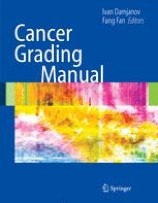
Cancer grading manual
Cancer Grading Manual addresses all histopathologic aspects of tumor pathology essential for grading of tumors. It discusses the history and basic tenets of tumor grading; principles of microscopic grading of tumors; ancillary methods currently used to improve tumor grading; and new techniques used in evaluating tumors and formulating prognosis. It is designed to be a practice-oriented, concise and well-illustrated resource for diagnostic surgical pathologists and pathology residents.
Cancer et traitement: Domicile ou hôpital : Le choix du patient = Cancer and treatment : Home or hospital : The patient's choice
This book takes stock of the needs, expectations and challenges of caring for a cancer patient at home or in hospital. Indeed, if the number of cancer cases is increasing in Western countries, their management is evolving. The emphasis today is on a more humane announcement of the disease, less aggressive treatments and a better quality of life. Better informed patients often wish to be treated at home. As the survival time lengthens, hospital stays are reduced and chosen. Home care teams will soon be relying on the hospital more easily, thanks to specific communication methods and care networks. Here, all the stakeholders involved in the psycho-oncological approach to the patient discuss the choice of place and means of treatment for patients: from the general practitioner to the psychologist, from the oncologist to the mobile palliative care unit.

Cancer and War
Armed conflict, especially the most intense types, indirectly impacts civilian mortality. The estimates suggest that almost 30 million civilian deaths were indirectly attributable to armed conflict globally between 1990 and 2017, two thirds of which were due to communicable, maternal, neonatal, and nutritional diseases. Broader and more robust measures of civilian impacts at subnational and national levels are needed to inform policy and advocacy to prevent war and protect civilians. This could include greater use of linkage studies that incorporate data from routine health and demographic sources, exposure to conflict-specific environmental risks, and quantitative epidemiological methods such as national and subnational victimisation surveys.
Cancer and Pregnancy
This book is written by experts with clinical expertise on diagnosis, treatment, and follow-up of women with cancer during pregnancy. It provides a comprehensive review of data and an overview of psychological, ethical, and social aspects.
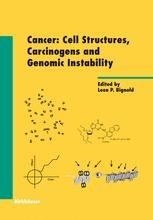
Cancer : Cell Structures, Carcinogens and Genomic Instability
Tumors can be induced by a variety of physical and chemical carcinogens. The resulting tumor cells are usually abnormal in their morphology and behavior and transmit their abnormalities to their daughter tumor cells. Most theories of the pathogenesis of tumors suggest that carcinogens in some way cause alterations either of the genomes or of inheritable patterns of gene expression in normal cells, which then cause morphological and behavioral changes. This volume presents a collection of articles aimed at the question by what genetic or epigenetic mechanisms carcinogens can cause morphological abnormalities of tumor cells. It includes reviews of cellular targets of known carcinogens, and presents varying viewpoints of how morphological abnormalities and the actions of carcinogens might be related.
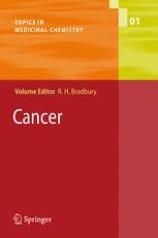
Cancer
The last decade has seen a dramatic shift in anticancer drug research towards agents that aim to target selectively key regulatory and signaling processes known to drive tumorigenesis. A number of these newer agents have now been introduced into clinical practice. This volume reviews advances in cancer chemotherapy research over the last 10 years and will be of interest to scientists engaged in drug research in the pharmaceutical industry, biotechnology and startup companies, academia and government institutions. Chapters written by leading experts in their field reflect a range of current medicinal chemistry approaches to small molecule drugs, including anti-hormonal therapy, growth factor inhibition, survival signaling, cell cycle inhibition, anti-angiogenics and anti-nvasives. Each chapter aims to cover the drug target and biological rationale, chemotypes, clinical status and future prospects in this rapidly developing area of drug research.
