



الصفحة 9
الصفحة 9
Common Chinese materia medica ; Vol.6
Describes 226 species of 32 families of medicinal plants, which are commonly used in Chinese medicine. The most important species are Aquilaria sinensis and Daphne genkwa of Thymelaeaceae; Benincasa hispida, Siraitia grosvenorii, Trichosanthes kirilowii and Trichosanthes rosthornii of Cucurbitaceae; Camellia sinensis of Theaceae; Cleistocalyx operculatus, Eugenia caryophyllata and Rhodomyrtus tomentosa of Myrtaceae; Osbeckia chinensis of Melastomataceae; Quisqualis indica and Terminalia chebula of Combretaceae; Hypericum japonicum of Hypericaceae; Microcos paniculata of Tiliaceae; Hibiscus mutabilis of Malvaceae; Croton crassifolius, C. lachnocarpus, C. tiglium, Euphorbia humifusa, E. lathyris, E. pekinensis, Phyllanthus emblica and Sauropus spatulifolius of Euphorbiaceae. In each specie, it introduces the scientific names, medicinal names, morphologies, habitats, distributions, acquisition and processing methods of these medicinal plants, the content of medicinal properties, therapeutic effects, usage and dosage of these medicinal plants, and attaches unedited color pictures and pictures of part herbal medicines of each species.
Common Chinese Materia Medica ; Vol.4
Describes 256 species of medicinal plants from 5 families, which are commonly used in Chinese medicine. The most important species are Agrimonia pilosa, Amygdalus persica, Armeniaca mume, Armeniaca vulgaris, Armeniaca sibirica, Chaenomeles sinensis, Eriobotrya japonica of Rosaceae; Chimonanthus praecox of Calycanthaceae;Albizia julibrissin, Archidendron clypearia, Entada phaseoloides, Bauhinia championii of Mimosoideae; Caesalpinia sappan, Cassia tora, Gleditsia sinensis of Caesalpiniaceae; Abrus cantoniensis, Astragalus membranaceus, Astragalus membranaceus, Dalbergia odorifera, Desmodium caudatum, Desmodium styracifolium, Erythrina variegata, Euchresta japonica, Flemingia prostrata, Glycyrrhiza uralensis, Glycyrrhiza inflata, Glycyrrhiza glabra, Lablab purpureus, Sophora japonica and Spatholobus suberectus of Butterflyaceae. In each specie, it introduces the scientific names, medicinal names, morphologies, habitats, distributions, acquisition and processing methods of these medicinal plants, the content of medicinal properties, therapeutic effects, usage and dosage of these medicinal plants, and attaches unedited color pictures and pictures of part herbal medicines of each species. This book series has 10 volumes in total, which covers over 2000 kinds of Chinese medicines that are commonly used. These volumes not only introduce the efficacy function and some prescriptions of the medicines, but also introduce the biological characteristics of them in detail with clear photos of the habitats, so that readers can identify them in the field. Apart from the growing environment, the books expound the distribution areas and other information to facilitate researches and other applications. The volumes are targeted at readers of general interests and it is also of high referential value for scientific researcher and teachers. It can be used as a guide to researchers, clinical doctors, and students in the department of pharmaceutics and traditional Chinese medicine.
Common Chinese materia medica ; Vol.2
Contains 231 species of 40 families of medicinal plants. The most important family of which are Magnoliaceae, such as Magnolia officinalis and Magnolia officinalis subsp. biloba; Schisandra chinensis of Schisandraceae; Cinnamomum aromaticum of Lauraceae, Coptis chinensis Franch., Coptis omeiensis and Coptis teeta of Berberidaceae; Isatis indigotica, Lepidium apetalum and Raphanus sativus of Cruciferae; Rheum palmatum, Rheum officinale and Rheum taguticum of Polygonaceae, etc. In each specie, it introduces the scientific names, herbal medicine names, characteristics, habitats, distributions, Acquisition and processing methods, medicinal traits, tastes, functions, use and dosages, and other information of medicinal plants, and attaches unedited color pictures and pictures of part herbal medicines for each species. This book series has totally 10 volumes, which covers 2000 kinds of Chinese medicines that are commonly seen or used. These volumes not only introduce the efficacy, function and some prescriptions of the medicines, but also introduce the biological characteristics of them in detail with clear photos of the habitats, so that readers can identify them in the field. Apart from the growing environment, the books expound the distribution areas and other information to facilitate researches and other applications. The volumes are targeted at readers of general interests and it is also of high referential value for scientific researcher and teachers. It can be used as a guide to researchers, clinical doctors, and students in the department of pharmaceutics and traditional Chinese medicine.
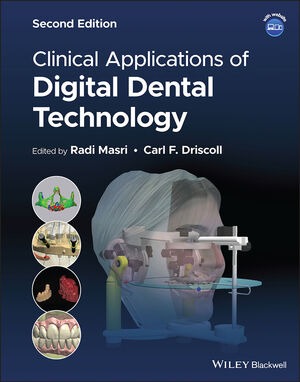
Clinical applications of digital dental technology
Provides comprehensive yet practical references to a wide range of potential uses for digital technology in dental practice, discussing a wide range of digital technologies including their indications, contraindications, advantages, disadvantages, limitations, and applications. Overall, the book emphasizes how to use digital dentistry in daily practice across all specialties. With broad coverage of the subject, Clinical Applications of Digital Dental Technology discusses digital imaging, digital impressions, digital prosthodontics, digital implant planning and placement, and digital applications in endodontics, orthodontics, and oral surgery. Each chapter is written by experts in each topic and covers applications for prosthodontics, implant dentistry, oral surgery, endodontics, orthodontics, and other specialty areas.

Clinical applications of botulinum toxin
Botulinum toxin (BoNT) is a neurotoxin produced by the Gram-positive, rod-shaped, sporeforming anaerobic bacterium Clostridium botulinum. Although there are seven major serotypes of Botulinum Neurotoxin (BoNT/A-G), only type A and B are used clinically. For the purpose of this research paper, we will refer to this agent as BoNT. This research paper primarily serves to provide a historical review of the toxin, assess its mechanism of action, and highlight the most common clinical applications of BoNT therapy across multiple medical specialties in an organized, specialty-based manner, including their complications and recommended BoNT dosages.

Claytons basic pharmacology for nurses
Helps you understand the principles of pharmacology and apply them to nursing practice. Known for its practical application of the nursing process to drugs and disorders, this book explains how to make informed decisions about drug therapy, educate patients, and administer medications. This edition adds new Next Generation NCLEX® (NGN)-style case studies and questions to prepare you for the critical thinking questions on the NGN exam. Concise and easy to use, this text teaches the basics of medication administration and drug actions.
Circular entrepreneurship : Creating responsible enterprise
Investigation reveals enterprises small and large delivering a stimulating message, from changes in entrepreneurial mindsets to the inclusive use of new technologies and a push for innovation. Zucchella and Urban explore the novel concept of circular enterprise, showing how, with their capacity to innovate, these firms are becoming the most powerful actors of a new, sustainable social order.

Chemotherapy and pharmacology for leukemia in pregnancy : Guidelines and strategies for best practices
The book addresses a broad range of subjects, including: pregnancy and its characteristics; staging, pathology, morbidity and what to expect in each type of leukemia; chemotherapy for leukemia in pregnant women with complete trials; dose adjustment of chemotherapy for leukemia in pregnancy based on serum dosages; and pharmacokinetics and pharmacodynamics for this unique group of patients. In turn, subsequent chapters focus on protecting the fetus and neonatal management regarding chemotherapy for leukemia in pregnancy, including the treatment and risks for the fetus (for each type of leukemia), intrathecal therapy and its effects on the fetus; supportive drugs, antibiotics and antifungals for pregnant patients during chemotherapy, including intervention and dose adjustments; palliative care for women with leukemia in pregnancy; breastfeeding during treatment for leukemia; pharmacological aspects of supplements, vitamins and nutrition in pregnancy during leukemia treatment; and more.

Chamomile & insulin nasal spray in the treatment of Alzheimer's disease
Chamomile is one of the most widely used herbs in Western countries, in the present study, we assessed the effect of chamomile combined with insulin on the learning and memory impairments (Alzheimer's disease) induced by scopolamine. The cognition-enhancing effect of chamomile & insulin was investigated using the Y-maze test. Drug-induced amnesia was induced by treating animals with scopolamine. Mix solution administration intranasally reversed scopolamine induced cognitive impairments in mice by the Y-maze test. Moreover, results suggest that the combination of both chamomile and insulin may be a useful cognitive impairment treatment, and its beneficial effects are mediated, in part, via inhibitory effects in vivo on the release of several pro-inflammatory mediators and as a co-absorbent.

Challenge In biologic drug delivery
Biologics are currently one of the most promising avenues for therapeutic interventions in conditions such as metabolic disease, ageing and inflammatory disorders, and for chronic ailments, oral delivery of such medicines has for years been recognised as an important goal. Despite decades of intensive research, oral delivery of biologics is only just starting to prove feasible. There has been much talk about the barriers to uptake of biologics, and indeed, one function of the intestine is to prevent, in one way or another, passage of unwanted materials across the gut, and yet, grams of biological agents both large and small pass across the intestinal cell wall every day. This review first describes the functioning of the gut under normal circumstances, then identifies the principle biological mechanisms, which have been harnessed successfully, to date, to achieve oral uptake, outlining the pros and cons of each approach.

Case studies in biocultural diversity from Southeast Asia : Traditional ecological calendars, Folk medicine and Folk names
This book demonstrates the linkages between local languages, traditional knowledge, and biodiversity at the landscape level in Asia, providing a fresh approach to discussions on Asia’s biocultural diversity. The book carries forward earlier analyses but importantly focuses on ‘traditional ecological calendars,’ ‘folk medicine,’ and ‘folk names’ in the context of the vital importance of maintaining biological, cultural, and linguistic diversity. It does this by addressing a range of cases and issues in relation to Southeast Asia: Brunei Darussalam, Indonesia, Malaysia, the Philippines, and North-East India. The several chapters demonstrate the ways in which the various forms of knowledge of the environment and its categorizations are important in areas such as landscape and resource management and conservation. They also demonstrate that environmental knowledge and the practical skills which accompany it are not necessarily widely shared. This book sends important messages to those who care about the sustainability of our environment, the maintenance of its biocultural diversity, or at least the maintenance of what remains of it because much has changed.
Cardiac drug therapy
Cardiac Drug Therapy, 7th ed., addresses the pharmacology and therapeutic application of drugs used to treat heart diseases and hypertension. Additions and updates to the sixth edition include six new chapters on current controversies in cardiac drug therapy such as the beta blocker issue many cardiologists are presently grappling with. The book provides practical advice on how to manage cardiac diseases and addresses the choice of one particular cardiac agent vs. another. In addition to providing core knowledge in cardiovascular therapeutics, the text assists in resolving some of the issues surrounding cardiac drugs. Cardiac Drug Therapy provides practical information including properties, dosage, side effects, potential salutary benefits, and drawbacks on virtually all commercially available cardiac drugs.

Business Writing For Dummies
This friendly guide equips you with a step-by-step method for planning what to say and how to say it in writing. This sytem empowers you to handle every writing challenge with confidence, from emails to proposals, reports to resumes, presentations to video scripts, blogs to social posts, websites to books. Discover down-to-earth techniques for sharpening your language and correcting your own writing problems. Learn how to adapt content, tone and style for each medium and audience. And learn to use every message you write to build better relationships and solve problems, while getting to the “yes” you want.

Building the Infrastructure for Cloud Security : A Solutions view
For cloud users and providers alike, security is an everyday concern, yet there are very few books covering cloud security as a main subject. This book will help address this information gap from an Information Technology solution and usage-centric view of cloud infrastructure security. The book highlights the fundamental technology components necessary to build and enable trusted clouds. Here also is an explanation of the security and compliance challenges organizations face as they migrate mission-critical applications to the cloud, and how trusted clouds, that have their integrity rooted in hardware, can address these challenges.

Buccal patches of salbutamol
The Potential of alternative routes of application compared to the traditional oral route is constantly growing. Especially in transmucosal applications for the oral cavity, the oral mucosa's accessibility, excellent blood supply, by-pass of hepatic first pass metabolism, rapid repair and permeability profile make it an attractive site for local and systemic drug delivery. Technology advance in mucoadhesive, sustained drug release, permeability enhancers and drug deliver vectors are increasing the efficient delivery of drug to treat oral and systemic disease...
Brown and Mulholland’s drug calculations
A realistic practice problems and unique "proof" step in the answer key that allows you to double-check your answers to avoid medication errors. This edition continues to promote critical thinking, clinical judgment, and patient safety with respect to accurate drug dosages. Helpful worksheets, assessment tests, and Clinical Alerts call attention to situations in actual practice that have resulted in drug errors — giving you extensive hands-on practice for the Next Generation NCLEX® and beyond.
Botulinum toxin
Offering a step-by-step, practical approach to this commonly performed cosmetic procedure, Procedures in Cosmetic Dermatology: Botulinum Toxin, 5th Edition, enables you to master the up-to-date cosmetic techniques that produce the superior results your patients expect. It covers the science behind these neuromodulators and their usage areas in cosmetic dermatology, as well as the latest treatment options—all abundantly illustrated and evidence based. A substantial video library demonstrating injection techniques helps you successfully incorporate the latest procedures into your practice.
Biopharmaceutics applications in drug development
This book introduces fundamental concepts, methods, and advances in the areas of dissolution, absorption, and permeability and their key applications in dosage form performance. Case studies are used to discuss the applications of biopharmaceutic strategies in the development of successful drugs, with a specific focus on the applications of biopharmaceutic strategies in the development of successful drugs. The book presents an integrated view in linking pharmaceutic to the biological consequences of drug products and leverages those for decision making in drug development.
Biomaterials and bionanotechnology ; 1st ed.
Examines the current state of the field within pharmaceutical sciences and concisely explains the history of biomaterials including key developments. Written by experts in the field, this volume within the Advances in Pharmaceutical Product Development and Research series deepens understanding of biomaterials and bionanotechnology within drug discovery and drug development. Each chapter delves into a particular aspect of this fast-moving field to cover the fundamental principles, advanced methodologies and technologies employed by pharmaceutical scientists, researchers and pharmaceutical industries to transform a drug candidate or new chemical entity into a final administrable dosage form, with particular focus on biomaterials and bionanomaterials. This book provides a comprehensive examination suitable for researchers working in the pharmaceutical, cosmetics, biotechnology, food and related industries as well as advanced students in these fields.

Biochemistry
Biochemistry and the organization of cells -- Water : the solvent for biochemical reactions -- Amino acids and peptides -- The three-dimensional structure of proteins -- Protein purification and characterization techniques -- The behavior of proteins : enzymes -- The behavior of proteins : enzymes, mechanisms, and control -- Lipids and proteins are associated in biological membranes -- Nucleic acids : how structure conveys information -- Biosynthesis of nucleic acids : replication -- Transcription of the genetic code : the biosynthesis of RNA -- Protein synthesis : translation of the genetic message -- Nucleic acid biotechnology techniques -- Viruses, cancer, and immunology -- The importance of energy changes and electron transfer in metabolism -- Carbohydrates -- Glycolysis
