



الصفحة 9
الصفحة 9
Biomarkers in periodontal health and disease : Rationale, benefits, and Future directions
This book examines all aspects of the progress being made towards the development of highly specific and sensitive biomarkers that will overcome the shortcomings of clinical assessments in periodontics. Readers will find the book to be an ideal summary of the state of the art in the field as biomarkers emerge that promise to facilitate periodontal diagnostics and permit timely, personally tailored interventions.

Biology of the Fungal Cell
"The volume is well illustrated and certainly realizes the primary aim of "The Mycota", namely to highlight developments in both basic and applied research into fungal systems." (Microbiology Today) "The Editors´ aim 'to provide a selected sampling of contemporary topics at the forefront of fungal cell biology' has certainly been achieved. Indeed, it is hard to imagine any mycologist not finding something fascinating in each of the chapters. ... Further, the volume is packed with material that will be extremely useful for those presenting basic courses in mycology - especially because of the many fine explanatory line drawings." (Mycological Research)

Biological Invasions in South Africa
This book presents a comprehensive account of all aspects of biological invasions in South Africa, where research has been conducted over more than three decades, and where bold initiatives have been implemented in attempts to control invasions and to reduce their ecological, economic and social effects.
Bioactive components of milk
Of all food products dairy foods have the most potential concerning functional foods. Therefore, there is a tremendous amount of interest in value-added milk products and the identification of components in food which have health benefits. Bioactive Components of Milk provides an overview of these derived components and their diverse activities including: the stimulation of beneficial microflora, alerting the immune system to the presence of potential pathogens and allergens, binding and eliminating toxins, etc. The book is divided into four parts. The first part focuses on bioactive milk lipid components, which very widely among mammalian species. The second part describes different aspects of biological active colostrums and milk proteins and their derivatives, with special concern on species specific effects. The third part reviews the production of recombinant human proteins in the milk of livestock animals - including ethical issues - and the aims of altering milk composition for the benefit of both the animals themselves and the consumers. The final part focuses on the influence of ruminants nutrition on the biological activity of milk.

Bee products : Chemical and biological properties
Presents an updated discussion on the chemical composition and biological properties of the main bee products, which until now have been presented separately in different editions This book scoops out studies about bee products most used in marketing and in traditional medicine such as honey, royal jelly, propolis, bee pollen and bee venom Discusses chemical composition and biological function of the different bee products on topics such as nutrition, aging and age-related diseases, cancer, neurodegenerative diseases and pathogen infections Bee products are rich in several essential nutrients and non essential nutrients, as sugars, minerals, proteins, free amino acids, vitamins, enzymes and polyphenols, that seem to be closely related to their biological functions. The effects of these products in nutrition, aging and age-related diseases, cancer, neurodegenerative diseases and pathogen infections are discussed.

Bacteriophage therapy : a potential solution for antibiotic resistance crisis
For many years, humans have been fighting with bacteria, in a matter of fact, bacteria have been winning for the last decade, becoming resistant to every weapon we have; The antibiotics. In order to win the fight humans had to think of alternative ways, like viruses. There is a special type of viruses that have been in a war with bacteria for millenniums, Bacteriophages. Bacteriophages (or phages), the most abundant viral entity of the planet. On the basis of their unique characteristics and anti-bacterial property, phages are being the freshly evaluated taxonomically. Phages replicate inside the host either by lytic or lysogenic mode after infecting and using the cellular machinery of a bacterium. Phage became an important agent for combating pathogenic bacteria in clinical treatments and its related research gained momentum. However, due to recent rise of bacterial resistance on antibiotics, applications of phage (phage therapy) become an unavoidable option of research. In this dissertation, the advantage and limitations of Bacteriophages for use in humans will be discussed. Furthermore, this dissertation deals with recent development of its application in the areas of biotechnology.
Bacterial virulence factors and Rho GTPases
The authors of this volume present the synthesis on how the various host cellular Rho GTPases activities are manipulated by bacteria to fulfill their virulence.
Bacterial Genomes and Infectious Diseases
This book imparts fundamental knowledge on the structure, organization, and evolution of bacterial genomes. The value and power of comparative genomics and proteomics, bioinformatics, microarrays, and knockout animal models in analyzing genomes, bacteria-host interactions and disease are demonstrated. Also discussed are the genomes of virulent and nonvirulent strains and species, origin and evolution of pathogens, different models of bacteria-host interactions, and diseases mechanisms.
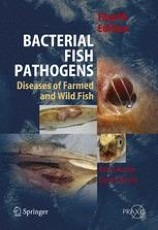
Bacterial Fish Pathogens : Disease of Farmed and Wild Fish
This completely revised and updated edition of Bacterial Fish Pathogens is a comprehensive discussion of the biological aspects of the bacterial taxa which cause disease in fish. Since the 3rd edition was published in 1999, much has changed in the control of disease of farmes and wild fish. New pathogens such as Pasteurella skyensis have been described, and antimicrobial compounds for the control of disease have been replaced by alternative methods, such as probiotics. Consideration is given to all the bacterial taxa which have at some time been reported as fish pathogens, whether they are secondary invaders of already damaged tissues or serious, primary pathogens.
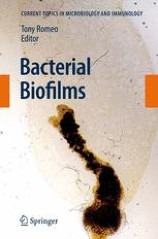
Bacterial Biofilms
This volume tends to focus on the biology of biofilms that affect human disease. It opens with chapters that provide the reader with current perspectives on biofilm development, physiology, environmental and regulatory effects, the role of quorum sensing, and resistance/phenotypic persistence to antimicrobial agents during biofilm growth. The next chapters are devoted to common problematic biofilms, those that colonize venous and urinary catheters. The final series of chapters examines biofilm formation by four species that are important pathogens and well studied models, one of which, Yersinia pestis, cleverly adopts a biofilm state of growth within its insect vector to promote disease transmission to mammalian hosts.
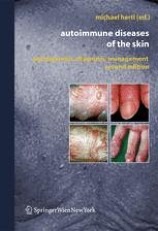
Autoimmune Diseases of the Skin : Pathogenesis, Diagnosis, Management
The book provides an overview and the latest information on the broad spectrum of cutaneous autoimmune disorders for clinicians, scientists and practitioners in dermatology, medicine, rheumatology, ENT, pediatrics and ophthalmology. The book is unique since it presents the state-of-the-art knowledge on pathophysiology, clinical diagnosis and management of these disorders provided by the world experts in the field. The primary intention is to broaden the understanding of the pathophysiology of cutaneous autoimmune disorders and to provide a practical guide to how to identify and handle these conditions. The book is illustrated with many tables, illustrative figures and clinical color photographs. The second edition has been extended by chapters on autoimmune pigmentary disorders (vitiligo), hairloss (alopecia areata) and cutaneous symptoms of rheumatic disorders.

Atlas of Sarcoidosis : Pathogenesis, Diagnosis and Clinical Features
An Atlas of Sarcoidosis: Pathogenesis, Diagnosis and Clinical Features combines illustrations and clinical images of the authors' extensive practices, so that readers have unparalleled access to a comprehensive collection of sarcoidosis images. The atlas is designed to complement and provide a visual supplement to already existing texts on sarcoidosis. Each organ involvement is dealt in a brief and easy to comprehend manner. Various radiographic and laboratory abnormalities are then linked to the clinical features in order to encourage a smooth and easy practical integration at the bedside and to help practising pulmonologists, dermatologists and other clinicians who require a comprehensive visual encyclopedia of sarcoidosis images.

Atlas of Neuromuscular Diseases : A Practical Guideline
A comprehensive outline of neuromuscular diseases, written by experienced American and European authors. It discusses all aspects of neuromuscular disorders including the cranial nerves, spinal nerves, motor neurone disease, the nerve plexus, peripheral nerves, mononeuropathies, entrapment syndromes, polyneuropathies, the neuromuscular junction, and muscle disease. Each chapter is uniformly structured into anatomy, symptoms, signs, pathogentic possibilities, diagnosis and differential diagnosis, therapy and prognosis. Additionally the diagnostic tools and investigations used in neuromuscular disease are explained and a practical guide is given how to advance from symptoms to syndromes. For each disease the therapeutic options are described. It contains large number of clinical and histologic pictures from the practical experience of the authors and also a number of artists drawings to facilitate the understanding of anatomic structures.

Atherosclerosis : Diet and Drugs
Divided into four parts and intends to give an overview on the pathogenesis of atherosclerosis, established treatment and prevention regimen, and of perspectives for the development of new treatment modalities.
Associative and endophytic nitrogen-fixing bacteria and cyanobacterial associations
Associative and Endophytic Nitrogen-fixing Bacteria and Cyanobacterial Associations This book is part of the seven-volume series that was launched a few years ago with the ambitious objectives of reviewing the field of nitrogen fixation from its earliest beginnings through the millennium change and of consolidating the relevant information - from fundamental to agricultural and environmental aspects – all in one place. Volume 5 covers the biology of bacteria that associate with n- leguminous plants. The subject matter includes a wide range of associations; it covers the bacterial species that associate either with the surface or within the tissues of grasses (often referred as plant growth-promoting rhizobacteria) and also the symbiotic associations that cyanobacteria form with fungi, algae, and both lower and higher plants. This volume does not deal with the Frankia-actinorhizal plant associations, which is the topic of Volume 6
Ascochyta blights of grain legumes
Ascochyta blights consistently affect large areas of grain legume production (pea, lentil, chickpea and faba bean) in all countries where they are cultivated. These diseases are capable of causing large yield losses under conducive environmental conditions. This book considers the state of the art by taking a comparative approach of Ascochyta blight diseases of cool season food and feed legumes. Topics considered are pathogen diversity, legume genetics and breeding, and integrated disease management.

Aquaponics Food Production Systems : Combined Aquaculture and Hydroponic Production Technologies for the Future
This book, written by world experts in aquaponics and related technologies, provides the authoritative and comprehensive overview of the key aquaculture and hydroponic and other integrated systems, socio-economic and environmental aspects. Aquaponic systems, which combine aquaculture and vegetable food production offer alternative technology solutions for a world that is increasingly under stress through population growth, urbanisation, water shortages, land and soil degradation, environmental pollution, world hunger and climate change.
Aquaculture microbiology
Details techniques involved to study aquatic pathogens that cause infections, especially in fish. Chapters guide readers through a wide range of basic and advanced methods, viral and fungal pathogens, probiotic bacteria, treatment of pathogens using seaweed extract, medicinal plant extracts, and actinomycetes.
Anti-Neutrophil Cytoplasmic Antibody (ANCA) Associated Vasculitis
Covers all aspects of Anti-Neutrophil Cytoplasmic Antibody (ANCA) Associated Vasculitis (AAV). The expression refers to a group of diseases, characterized by destruction and inflammation of small vessels. The clinical signs vary and affect several organs, such as the kidney, lung, skin, nervous system and others. presents recently acquired knowledge on pathogenesis, diagnosis, and therapy with the aim of promoting a more holistic approach to these conditions. AAVs are systemic autoimmune diseases of unknown cause that affect small (to medium) sized blood vessels. They include granulomatosis with polyangiitis (formerly Wegener's granulomatosis), microscopic polyangiitis, and eosinophilic granulomatosis with polyangiitis (formerly Churg–Strauss syndrome).

Antimicrobial Resistance and Implications for the Twenty-First Century
This new volume of the Emerging Infectious Diseases of the 21st Century series is a collection of chapters by leading world authorities on antimicrobial resistance of common, important bacterial, viral and fungal pathogens. This unique book should be in the possession of anyone interested in the field of infectious diseases, microbiology, infection control & public health. The chapters, which are written by reknown experts, provide a wealth of contemporary information on microbiology, molecular mechanisms, epidemiology, clinical relevance, treatment, and prevention
