



الصفحة 9
الصفحة 9

Managing Large-Scale Service Deployment ; 19th IFIP/IEEE International Workshop on Distributed Systems : Operations and Management, DSOM 2008, Samos Island, Greece, September 22-26, 2008. Proceedings
Contains all papers accepted for presentation at the 19th IFIP/IEEE International Workshop on Distributed Systems: Operations and Management (DSOM 2008),which was held September 25-26, 2008 on the island of Samos, Greece. DSOM 2008 was the 19th event in a series of annual workshops. It followed in the footsteps of previous s- cessful meetings, the most recent of which were held in San Jos´ e, California, USA (DSOM 2007), Dublin, Ireland (DSOM 2006), Barcelona, Spain (DSOM 2005), Davis, California, USA (DSOM 2004), Heidelberg, Germany (DSOM 2003), and Montreal, Canada (DSOM 2002).
Managing Agile Business Technology : The Business and Technology Relationship Model in Practice
Describes in detail how the BTRM, combined with a focus on value creation and value delivery, will enable continuous change, in the context of current, emerging and future technologies. It illustrates the potential for real-time insight and control not previously considered and provides a wide range of information to plan an implementation, understand where AI can be applied, and its importance in the world of self-managing systems.
Management of Multimedia Networks and Services ; 8th International Conference on Management of Multimedia Networks and Services, MMNS 2005, Barcelona, Spain, October 24-26, 2005, Proceedings
We are delighted to present the proceedings of the 8th IFIP/IEEE International Conference on Management of Multimedia Networks and Services (MMNS 2005). The MMNS 2005 conference was held in Barcelona, Spain on October 24–26, 2005. As in previous years, the conference brought together an international audience of researchers and scientists from industry and academia who are researching and developing state-of-the-art management systems, while creating a public venue for results dissemination and intellectual collaboration. This year marked a challenging chapter in the advancement of management systems for the wider management research community, with the growing complexities of the “so-called” multimedia over Internet, the proliferation of alternative wireless networks (WLL, WiFi and WiMAX) and 3G mobile services, intelligent and high-speed networks scalable multimedia services and the convergence of computing and communications for data, voice and video delivery. Contributions from the research community met this challenge with 65 paper submissions; 33 high-quality papers were subsequently selected to form the MMNS 2005 technical program. The diverse topics in this year’s program included wireless networking technologies, wireless network applications, quality of services, multimedia, Web applications, overlay network management, and bandwidth management.
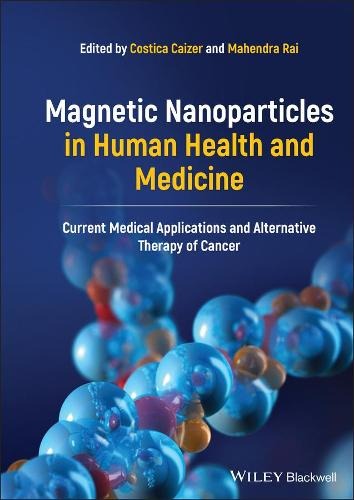
Magnetic nanoparticles in human health and medicine : Current medical applications and alternative therapy of cancer
Progress in improving diagnosis by magnetic resonance imaging (MRI) and using non-invasive and non-toxic magnetic nanoparticles for targeted drug delivery. Focusing on cancer diagnosis and therapy, the book covers both fundamental principles and advanced theoretical and experimental research on the magnetic properties, biocompatibilization, biofunctionalization, and application of magnetic nanoparticles in nanobiotechnology and nanomedicine.

Liposomes as Drug Carriers
Patients have recently suffered from the side effects of a large number of drugs and from the weak pharmacological effect, due to the biokinetics and the difficulty of delivering the drug to the targeted cells, which negatively affected the therapeutic efficacy, creating an opportunity to discover nanometric carriers to load the active drug substances, so we covered in this research the most famous and widely used nanocarriers which are liposomes. We touched in some detail its composition, types, the relationship of structure to influence, methods of preparation, its delivery mechanism for the drug, and at the end of the research, we attached various applications in the field of therapeutic diagnostics and its role in cosmetics, cancers and many other fields.
Learning at speed : How to upskill and reskill your workforce at pace to drive business performance
Learning at Speed is a practical book which brings together the best from lean and agile methodologies to show how they can be applied to learning and development (L&D) to improve individual and organizational performance. This provides a people development framework which can be used to deconstruct a learning strategy and optimise each element for improved results. It shows how to identify learning barriers and possible solutions, leverage company data to understand learning needs and how to assess the most effective learning resources and delivery channels.
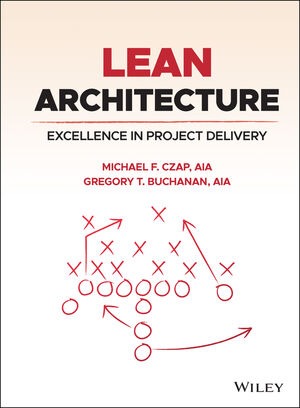
Lean Architecture : Excellence in Project Delivery
Shows readers a path to improve their project delivery via the application of lean concepts and process management. Authors Michael Czap and Gregory Buchanan challenge readers to reexamine their approach to architectural practice and projects by presenting a unique and compelling alternative. Readers will learn to: Maximize the use of their resources to deliver superior results in less time / Minimize waste, cost, and inefficiency in their firm’s operations / Move between radically different project scales while retaining efficient and effective processes

Landscape Architecture as Storytelling : Learning Design Through Analogy
Introduces a comfortable approach to learning landscape architectural design free of design jargon and derived from their existing knowledge. A step-by-step process has readers consider their knowledge of language as metaphorically related to basic design and landscape design. Through information delivery and questioning processes, readers build on what they already know, their tacit understanding of language as applied to problem solving and storytelling. Everyone is a storyteller.

Comparison of traditional and computerized alveolar block in children using articaine 4% (randomized controlled trial)
Pediatric dental anxiety frequently centers around needle procedures, particularly for mandibular anesthesia. This study compares pain perception, efficacy, and physiological responses between computerized (CCLAD) and traditional syringe administration of articaine 4% for inferior alveolar nerve blocks (IANB) during pulpotomies.

Comparison of digital anesthesia using articaine vs. lidocaine for mandibular infiltration in pediatric patients : Aged 4-5 vs. 6-8 years
Articaine and lidocaine exhibit equivalent efficacy for mandibular infiltration via computerized systems in children aged 4–8 years. While articaine may marginally improve injection comfort, both agents provide reliable anesthesia with minimal complications. Computerized delivery enhances patient experience, supporting its adoption to reduce dental anxiety.This investigation aims to : determine whether articaine's theoretical advantages translate to clinically significant improvements in young children, identify optimal anesthetic protocols for different pediatric age groups, validate the effectiveness of digital delivery systems in pediatric mandibular anesthesia and provide robust data to replace current adult-derived guidelines with pediatric-specific evidence.

Clinical decision support systems : Theory and practice
Writes the editor, "If used properly, CDSS have the potential to change the way medicine has been taught and practiced." As clinical decision support systems (CDSS) gain an increasingly central role in the delivery of high quality health care, it becomes more important for the health care community to understand their use. This text is designed as a resource for practicing clinicians, informaticians, teachers and students alike, and provides the most current, comprehensive look a the development and evaluation of clinical decision support systems.

Clinical Cases in Periodontics ; 2nd ed.
Clinical Cases in Periodontics offers: A thorough introduction to periodontic examination and diagnosis, including documentation, plaque, and non-plaque induced gingivitis A comprehensive exploration of non-surgical periodontal therapy, including local anatomic factors contributing to periodontal disease and local drug delivery Practical discussions of resective periodontal therapy, including gingivectomy and flap osseous surgery In-depth examinations of regenerative therapy, including the treatment of furcation and guided bone regeneration The latest advances in inter-disciplinary care, encompassing orthodontics, prosthodontics, and implant dentistry
Choices in Palliative Care : Issues in Health Care Delivery
Keeping up with these statistics means improving on traditional concepts of palliative care to meet growing demands. Choices in Palliative Care brings together 31 leading experts to spotlight core issues in the field, identify ways PC can fill gaps in current care systems, and demonstrate state-of-the-art care that is both cost-effective and clinically appropriate. This far-sighted volume redefines palliative care as interdisciplinary and integrative, providing liaisons between patients, families, and doctors; minimizing loved ones’ care burdens; bridging acute and long-term care to respond to clients’ evolving needs; adaptable to non-fatal (and possibly curable) chronic illnesses.
Chitosan-based nanocomposite materials : fabrication, characterization and biomedical applications
Discovery in the use of chitosan-based nanocomposites in biomedical applications, including the scope to which these novel materials have been incorporated by the community. It provides an exceptional insight into the strategies for the synthesis and chemical modifications of chitosan, characterization techniques, their use as anticancer agents, antimicrobial, antiviral, and antifungal agents, their role in the biomedical field, and applications in drug delivery, gene therapy, dentistry, orthopedics, etc. This book will also emphasize the challenges with previous signs of progress and way for further research, details relating to the current pioneering technology, and future perspectives with a multidisciplinary approach. Furthermore, it presents up-to-date information on the economics, toxicity, and regulations related to these novel materials.

Challenge In biologic drug delivery
Biologics are currently one of the most promising avenues for therapeutic interventions in conditions such as metabolic disease, ageing and inflammatory disorders, and for chronic ailments, oral delivery of such medicines has for years been recognised as an important goal. Despite decades of intensive research, oral delivery of biologics is only just starting to prove feasible. There has been much talk about the barriers to uptake of biologics, and indeed, one function of the intestine is to prevent, in one way or another, passage of unwanted materials across the gut, and yet, grams of biological agents both large and small pass across the intestinal cell wall every day. This review first describes the functioning of the gut under normal circumstances, then identifies the principle biological mechanisms, which have been harnessed successfully, to date, to achieve oral uptake, outlining the pros and cons of each approach.

CASCOM : Intelligent service coordination in the semantic web
A general architecture for service delivery and coordination in intelligent agent-based peer-to-peer (IP2P) environments, that has been developed within the CASCOM research project, is presented in this book.

Cardiac gene therapy : Methods and protocols
Discussions on topics such as gene suppression, editing, and reprogramming; cardiac gene therapy vectors and promoters; cardiac gene delivery methods; pulmonary hypertension; and patient screening and measuring the efficacy of cardiac gene therapy. Written in the highly successful Methods in Molecular Biology series format, chapters include introductions to their respective topics, lists of the necessary materials and reagents, step-by-step, readily reproducible laboratory protocols, and tips on troubleshooting and avoiding known pitfalls.
Carbon-based nanocarriers for drug delivery
Carbon-Based Nanocarriers for Drug Delivery enlists the latitudes and advancements in the synthesis processes, functionalization, and applications of carbon-based nanomaterials (CBNs) in targeted drug delivery systems (DDSs). It covers the applicability and suitability of CBNs as nanocarriers for efficient drug delivery application via elucidating the recent advancements in CBNs, their functionalized and innovative derivatives, and the relevant case studies. The book explores the necessity, efficacy, toxicological aspects, and challenges for the application of CBN in targeted DDSs.
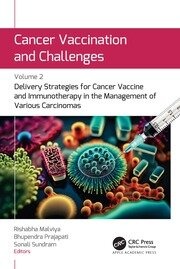
Cancer vaccination and challenges Vol.2 : delivery strategies for cancer vaccine and immunotherapy in the management of various carcinomas
Covers delivery strategies of cancer vaccines for the management of various forms of carcinoma, examining the prospects of delivering immuno-oncology therapies, focusing specifically on effective drug delivery strategies for the treatment of lung, prostate, and pancreatic carcinomas.
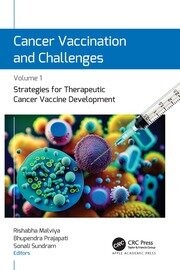
Cancer vaccination and challenges Vol.1 : strategies for therapeutic cancer vaccine development
Deals with different strategies of cancer vaccine development, focusing on techniques for the development of therapeutic cancer vaccines and the roles of tumor antigens, proteins/peptides, microbial genes, and stem cells for the development of vaccines for cancer management.
