



الصفحة 83
الصفحة 83

Human reliability and error in transportation systems
Each year billions of dollars are being spent to develop, manufacture, and operate transportation systems such as aircraft, ships, trains, and motor vehicles throughout the world. During their operation thousands of lives are lost annually due to various types accidents. Needless to say, approximately 70 to 90 percent of transportation crashes are the result of human error to a certain degree. Moreover, it may be added that human errors contribute significantly to most transportation crashes across all modes of transportation. Human Reliability and Error in Transportation Systems is the first book to cover the subject of human reliability across all types of transportation systems. The material will be accessible to readers with no previous knowledge in the field, and is supported with a full explanation of the necessary mathematical concepts together with numerous examples and test problems.

Human origins and environmental backgrounds
Human Origins and Environmental Backgrounds is a benchmark compendium of research that presents itself at a major paradigm shift in paleoanthropology. The editors offer a variety of theoretical approaches to puzzles on the place of the Hominidae, particularly Homo sapiens, among the Primates, including our unique bipedal positional behavior and social structure and the selective factors that might have been involved in our evolution in the broad context of Miocene and later environments. The contributors represent several generations of pioneering laboratory and field researchers from Japan, France and the United States, who have worked together over the past 40 years and who have trained future leaders in evolutionary anthropology and experimental primatology. This volume, compiled by the leading experts in the field, explores the interface between hominid origins and palaeoenvironments.
Human Nucleotide Expansion Disorders
Human neurological and neuromuscular disorders caused by nucleotide expansion, first discovered in 1991, are the focus of growing interest of practicing physicians and of interested biomedical researchers. This volume represents a comprehensive and up-to-date description of many of the better-studied disorders. The expert authors discuss molecular, clinical and pathological aspects of the diseases as well as our current understanding of their underlying mechanisms. Of special interest are ideas and initial results of the different therapeutic strategies that can be employed to overcome some of the disorders. As a summary of the state-of-the-art research in this field, this book is of value to human geneticists, molecular biologists and biochemists as well as to practicing neurologists and pediatricians.

Human Missions to Mars : Enabling Technologies for Exploring the Red Planet
In Human Missions to Mars Donald Rapp looks at human missions to Mars from an engineering perspective. He begins by describing the pros and cons of robotic exploration versus human exploration and then examines the ideas for sending humans to Mars from the point of view of both the enthusiast and the skeptic. Chapter 2 describes how space missions are planned and how they may be achieved as a sequence of separate steps. Chapter 3 deals with the complex issues relating to the outward journey to Mars and the return leg. The author deals with propulsion systems and with the analysis of the.

Human microbiome : Clinical implications and therapeutic interventions
The human microbiome refers to the complete microorganisms inhabiting the human body sites including skin, ear, nose, oral cavity, the genital, gastrointestinal and respiratory tracts, and body fluids such as breast milk, saliva, and urine. It is a significant and essential organ recognized for the body and has an established involvement in the host wellbeing, in terms of nutritional requirements and immunomodulation. Talks about how alteration and imbalance in the same can have clinical implications associated with a multitude of gastrointestinal, lifestyle-associated, and neurodegenerative disorders. How the proliferation of specific groups of bacteria and their metabolic activities, as a result of intestinal dysbiosis leads to the 'leaky gut' condition thereby influences brain activity via the bidirectional gut-brain axis. It also coves the importance of microbial seeding and how it can be influenced by the mode of delivery, nutrition, and medication. This book also provides various therapeutic interventions such as the establishment of stool banks and Faecal microbiota transplantation (FMT) that have recently proved promising in the treatment of ASD, Inflammatory Bowel Disease, and Ulcerative Colitis. This book provides a deeper understanding of the development of the human gut microbiome and the factors driving its dysbiosis. This book is a valuable read for health professionals, medical students, nutritionists, and scientific research communities who are eager to update themselves with recent trends in microbiome research. It will also aid gastroenterologists and nutritionists to make well-informed choices regarding therapeutic regimes.

Human Longevity, Individual Life Duration, and the Growth of the Oldest-Old Population
Old-age survival has considerably improved in the second half of the twentieth century. In this book, these fundamental questions are explored by experts from such diverse fields as biology, medicine, epidemiology, demography, sociology, and mathematics: they report on recent cutting-edge studies about essential issues of human longevity such as evolution of lifespan of species, genetics of human longevity, reasons for the recent improvement in survival of the elderly, medical and behavioral causes of deaths among very old people, and social factors of long survival in old age.

Human interface and the management of information : Interacting in information environments ; Symposium on Human Interface 2007, Held as Part of HCI International 2007, Beijing, China, July 22-27, 2007, Proceedings, Part II
The 12th International Conference on Human-Computer Interaction, HCI Inter- tional 2007, was held in Beijing, P.R. This volume, edited by Michael J. Smith and Gavriel Salvendy, contains papers in the thematic area of Human Interface and the Management of Information, addressing the following major topics: • Communication and Collaboration • Knowledge, Learning and Education • Mobile Interaction • Interacting with the World Wide Web and Electronic Services • Business Management and Industrial Applications • Environment, Transportation and Safety.

Human histology : A text and atlas for physicians and scientists
Presents full-page high-definition photomicrographs for organs and tissues, followed by a compact and simple-to-read description of the structures identified on the micrographs, offering a clear, visual understanding of this complex subject.

Human fungal diseases : Diagnostics, pathogenesis, drug resistance and therapeutics
Reviews the latest advancements in the fungal infections and their impact on human health. It presents epidemiology, diagnosis, pathogenesis, risk factors, virulence mechanisms, treatment, and strategies for the disease management and prevention of fungal infections. The book further reviews host-pathogen interactions, biofilm formation, and quorum sensing. It also covers the clinical manifestations, diagnostic approaches, and management strategies of opportunistic fungal infections, emerging fungal infections, and allergic fungal infections. It presents the latest advancements in diagnostic methods and therapeutic strategies, covering both conventional techniques and state-of-the-art approaches. Further, the book elucidates antifungal stewardship, nanotechnology, and omics technologies, providing insights into cutting-edge strategies for prevention, control, and management of multidrug-resistant fungi. This book is useful for researchers, students, and health professionals working in the fields of mycology, infectious diseases, immunology, dermatology, and pulmonology.

Human factors and voice interactive systems
Human Factors and Voice Interactive Systems, Second Edition provides in-depth information on current topics of major interest to speech application developers, and updates material from chapters that appeared in the previous edition.

Human Exploitation and Biodiversity Conservation
The sustainable use of biodiversity is one of the three key objectives of the 1992 "Convention on Biological Diversity". To achieve this, sound conservation practice has to be recognized as beneficial and implemented by all who access, or use it – from subsistence farmers to skiers and pharmaceutical bioprospectors. At the same time, indigenous peoples necessarily utilize enormous numbers of plants, fungi, and fish, particularly for foods and medicines. This book gathers together a wide range of contributions addressing diverse aspects of front-line human involvement in biodiversity exploitation and conservation. Its scope is broad, the organisms explored ranging from birds, invertebrates and mammals – both terrestrial and aquatic – to crops and medicinal plants. Meanwhile, the issues addressed include land use changes, the importance of gardens, hedges and green lanes, housing developments, hunting, invasive species, local community involvement, sacred groves, socioeconomic factors and trade.
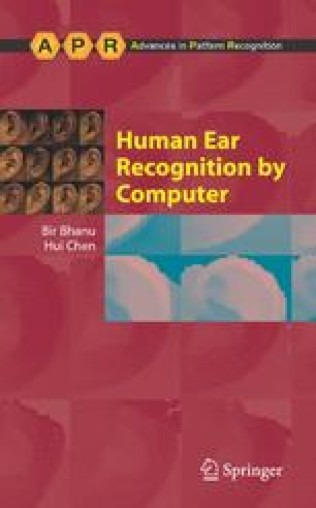
Human Ear Recognition by Computer
Human Ear Recognition by Computer is the first book on the automatic recognition of human ears. It presents an entire range of computational algorithms for recognition of humans by their ears. These algorithms have been tested and validated on the largest databases that are available today,This state-of-the-art research reference explores all aspects of 3D ear recognition, including representation, detection, recognition, indexing and performance prediction. It has been written for a professional audience of both researchers and practitioners within industry, and is also ideal as an informative text for graduate students in computer science and engineering.

Human Drug Metabolism
The third edition of this comprehensive book covers basic concepts of teaching drug metabolism, starting from extreme clinical consequences to systems and mechanisms and toxicity. It provides an invaluable introduction to the core areas of pharmacology and examines recent progress and advances in this fast moving field and its clinical impact.

Human Creation Between Reality and Illusion
Identifying quickly illusion with deception, we tend to oppose it to the reality of life. However, investigating in this collection of essays illusion's functions in the Arts, which thrives upon illusion and yet maintains its existential roots and meaningfullness in the real, we might wonder about the nature of reality itself.

Human Challenge Studies in Endemic Settings : Ethical and Regulatory Issues
This book provides an extensive review of ethical and regulatory issues related to human infection challenge studies, with a particular focus on the expansion of this type of research into endemic settings and/or low- and middle-income countries (LMICs). Human challenge studies (HCS) involve the intentional infection of research participants, and this type of research is rapidly increasing in frequency worldwide

Human Cell Culture ; Vol. VI : Embryonic Stem Cells
If you wish to grow or characterize embryonic stem cells or persuade them to differentiate into a particular cell type, then this book contains information that is vital to your success. The aim is to provide clear simple instructions and protocols for growing, maintaining and characterizing embryonic stem cells and details of the various methods used to make stem cells differentiate into specific cell types.

Human battle against obesity
Obesity is one of the most common preventable diseases and it is a medical condition in which excess fat has accumulated in the body, mostly in the subcutaneous tissues. Clinical obesity is considered to be present when a person has a body mass index of 30 or over. Obesity results from a chronic positive energy balance regulated by a complex interaction between endocrine tissues and the central nervous system, This activity reviews the pathophysiology of obesity, inflammatory markers secreted by excessive fat deposition in adipose tissue, and their effects on chronic diseases such as hypertension, diabetes, and dyslipidemia.

Human and Animal Relationships
Pathogenic fungi are widely distributed and can infect many organisms, particularly humans, but also other vertebrates and insects. Due to a growing number of fungal infections, there is an increasing need to understand the interaction of pathogenic fungi with their hosts. This second completely updated and revised edition of Volume VI of The Mycota consists of state of the art reviews written by experts in the field, covering three major areas of this rapidly developing field. In the first part the current understanding of pathogenic fungi and the physiological reactions relevant for the pathogen - host interaction are elucidated. The second part describes novel technologies for the identification of proteins, virulence factors and mechanisms central to the host - pathogen interaction. The third part deals with the characterization of the host response towards pathogenic fungi and addresses timely clinical aspects.

How to write effective business English : Your guide to excellent professional communication
This book is ideal for multinational companies where communication is a priority. For native English speakers, it may mean un-learning things you were taught at school and learning how to save time by getting to the point more quickly in emails; for intermediate English speakers, it focuses on the areas that are easy to get wrong.

How to Practice Academic Medicine and Publish from Developing Countries? : A Practical Guide
The book provides an overview of the state of research in developing countries – Africa, Latin America, and Asia (especially India) and why research and publications are important in these regions. It is written mainly by senior colleagues who have experienced and recognized the challenges with design, documentation, and publication of health research in the developing world. The book includes short chapters providing insight into planning research at the undergraduate or postgraduate level, issues related to research ethics, and conduct of clinical trials.
