



الصفحة 8
الصفحة 8

Les douleurs abdominales en questions : Rôle physiopathologique de la sensibilité viscérale = Abdominal pain in question : The pathophysiological role of visceral sensitivity
The gut-brain axis refers to the network of nerve pathways that connect the myenteric plexus, the veritable "gut brain," to the central nervous system. Nearly 80% of these neurons are sensory neurons, and the afferent pathways that transmit information from the digestive tract to the central nervous system play a crucial role in the physiological regulation of digestive functions, as well as in certain pathological conditions. A large majority of these sensations remain unconscious and give rise to reflex responses. Only those requiring a conscious response reach the level of awareness in a normal state (hunger, thirst, the urge to defecate). In pathological situations, the same is true for painful sensations of digestive origin. Functional bowel disorders are a frequent reason for consultation. Their pathophysiology is now based on a model integrating the various etiological factors around the brain-gut axis. These patients frequently present with visceral hypersensitivity, which manifests as an increased perception of digestive sensations, notably the onset of pain in response to stimuli that are not painful in normal subjects. Recognizing the role of visceral hypersensitivity has made it possible to explain the mechanism of action of medications used to treat functional bowel disorders and paves the way for the development of new molecules acting on digestive afferents. In this book, we will describe the anatomical and physiological basis for understanding the concept of visceral sensitivity and the role of digestive afferents in the pathophysiology of acute and chronic abdominal pain, particularly irritable bowel syndrome.
Layered Double Hydroxides
Both experimental and theoretical studies of nearly every aspect of the LDH structure are discussed, including the range of metal cations and interlayer anions, M 3+ /M 2+ ratios, LDH polytypes, arrangement of the "interlayer" anions and water molecules, molecular modeling and molecular dynamics simulations, and the long- and short-range order in both the layers and interlayer galleries. Of especial value is the treatment of the more detailed aspects of the LDH structure that are still unresolved.

Laser Ablation and its Applications
Laser Ablation and its Applications emphasizes the wide range of these topics rather than focusing on one specialty or discipline. It is intended for a graduate course in laser interactions with plasmas and materials, but it should be accessible to anyone with a graduate degree in physics or engineering.
KRAS : Methods and protocols
Details protocols ranging from high yield production metabolically labeled KRAS for NMR studies to approaches that quantify engagement of novel molecules that bind KRAS in live cells. Chapters focus on protein production and characterization, biochemical assays, cell-based assays, KRAS-membrane interactions, targeting KRAS, and cell models.

Comprehensive biochemistry for dentistry : Textbook for dental students
Combines fundamental concepts of biochemistry and the dental sciences to provide an authentic, coherent and comprehensive text for dental students. It describes in simple language the intricate pathophysiology of biomolecules in health and in diseases of dental and oral tissues. This book also describes the evolution of biochemistry in a chronological order, provides information about the fundamental chemical structure, classification and biological significance of biomolecules, vitamins and hormones, enriched with flow charts and diagrams for easy understanding and quick reference. It includes chapters on nucleic acids, nutrition and serum enzymes and organ function tests, and offers an innovative approach to familiarize dental students with the biochemical composition of enamel, dentine, cementum and saliva, explaining the biochemical basis of dental caries, periodontal diseases, role of fluorides in caries prophylaxis, fluoride toxicity, and the role of amino acids as anti-hypersensitive agents
Communication in Plants : Neuronal Aspects of Plant Life
Plant neurobiology is a newly emerging field of plant sciences. It covers signalling and communication at all levels of biological organization – from molecules up to ecological communities. In this book, plants are presented as intelligent and social organisms with complex forms of communication and information processing. Authors from diverse backgrounds such as molecular and cellular biology, electrophysiology, as well as ecology treat the most important aspects of plant communication, including the plant immune system, abilities of plants to recognize self, signal transduction, receptors, plant neurotransmitters and plant neurophysiology. Further, plants are able to recognize the identity of herbivores and organize the defence responses accordingly. The similarities in animal and plant neuronal/immune systems are discussed too. All these hidden aspects of plant life and behaviour will stimulate further intense investigations in order to understand the communicative plants in their whole complexity.

Click chemistry
In chemical synthesis, click chemistry is a class of simple atomic economy reactions commonly used to join two selected molecular entities. Click chemistry is not one specific reaction, but describes a method for generating products that follow examples in nature, which also generates substances by joining small modular units. In many applications, click interactions that join a biomolecule and a reporter molecule. Click chemistry is not limited to biological conditions: the concept of a 'click' reaction has been used in protein chemistry, pharmacokinetics, and many biomimetic applications. However, they have been made remarkably useful in the discovery, localization and qualification of biomolecules.

Classics in total synthesis IV : new targets, strategies, and methods
A compilation of highly important synthetic methods which lead to complex molecules with valuable properties. From the complex architectures of natural products to the streamlined synthesis of functional molecules, each chapter in Classics in Total Synthesis IV unfolds a unique story. The interplay of mechanisms, reactivity, selectivity, and stereochemical aspects is thoroughly examined, echoing the pedagogical format that has become synonymous with this series. Well-designed graphics are included throughout, and all important parts of the reaction sequences are highlighted.
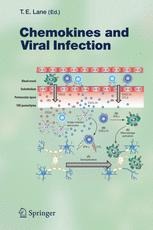
Chemokines and Viral Infection
This edition of Current Topics in Microbiology and Immunology examines the role of chemokines and chemokine receptors in host defense and disease development following viral infection. Chemokines represent a family of over 40 small proteins that, for the most part, are secreted into the environment and function by binding to G protein-coupled receptors (GPCRs) that are expressed on numerous different cell types. When initially identified close to 30 years ago, these molecules were associated with various human inflammatory diseases and it was recognized that expression may be integral in leukocyte recruitment to inflamed tissue. There are now four sub-families of chemokines identified based on defined structural criteria relating to the positional location of conserved cysteine residues within the amino-terminus of the protein. Chemokines are now recognized as important in numerous biological processes ranging from maintaining the organizational integrity of secondary lymphoid tissue to participating in various aspects of both innate and adaptive immune responses following microbial infection. With this in mind, this book highlights the functional roles of chemokines and their receptors in participating in various aspects of the immune response against well-known viral pathogens.

Chemistry from First Principles
This book examines the appearance of matter in its most primitive form, from the vacuum and the diversity that results from the fusion of elementary units in the genesis of atomic matter; considers the empirical rules of chemical affinity that regulate the synthesis and properties of molecular matter; analyzes the compatibility of the theories of chemistry with the quantum and relativity theories of physics; formulates a consistent theory, based on clear physical pictures and manageable mathematics, to account for chemical concepts such as the structure and stability of atoms and molecules, the periodicity of nuclides and elements, valence states, activation and chemical reactivity, electronegativity and general covalency, the exclusion principle, electronic energy, orbital angular momentum and spin in relation to molecular shape, torsional rigidity, chirality and molecular modeling; explains the self-similarity between space-time, nuclear structure, covalent assembly, biological growth, planetary systems and galactic conformation.

Chemistry for pharmacy students : General, organic and natural product chemistry ; 2nd ed.
Opens with an overview of the general aspects of chemistry and their importance to modern life, with emphasis on medicinal applications. The text then moves on to discuss the concepts of atomic structure and bonding and the fundamentals of stereochemistry and their significance to pharmacy in relation to drug action and toxicity. Various aspects of organic functional groups, organic reactions, heterocyclic chemistry, nucleic acids and their pharmaceutical importance are then covered in subsequent chapters, with the final chapter dealing with drug discovery and development, and natural product chemistry. Provides a student-friendly introduction to the main areas of chemistry required by pharmacy degree courses. Written at a level suitable for non-chemistry students in pharmacy, but also relevant to those in life sciences, food science, and the health sciences Includes learning objectives at the beginning of each chapter Focuses on the physical properties and actions of drug molecules
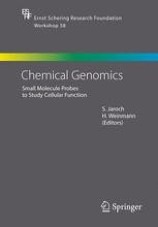
Chemical Genomics ; Vol.58 : Small Molecule Probes to Study Cellular Function
Chemical genomics is a highly interdisciplinary and very exciting field of research both in academics and in the life sciences industry.Various aspects of the interface between chemistry and biology are covered in this volume, such as chemogenomics efforts in the pharmaceutical industry, diversity-oriented synthesis, chemogenomic approaches to the study of cell function, screening technologies, and natural products as tools in chemical biology.
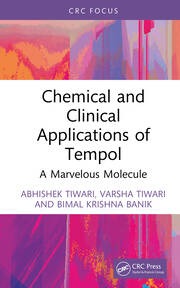
Chemical and clinical applications of tempol : A marvelous molecule
A comprehensive and authoritative exploration of Tempol (4-Hydroxy-TEMPO), an exceptional chemical compound with diverse applications in both scientific research and medical practice. This book delves into Tempol's unique properties, mechanisms of action, and its potential role in combating oxidative stress-related disorders. Includes a chapter devoted to the safe handling, storage, and disposal of Tempol in compliance with pharmaceutical regulations. The authors pay particular attention to pharmaceutical regulations in the industry.
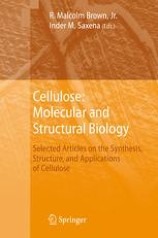
Cellulose : Molecular and Structural Biology : Selected Articles on the Synthesis, Structure, and Applications of Cellulose
Cellulose: Molecular and Structural Biology is an up-to-date treatise on the most advanced and provocative research into the biosynthesis, structure, and applications of nature’s most abundant macromolecule and renewable resource, cellulose.Molecular, biochemical, and evolutionary aspects of cellulose biosynthesis are reviewed in a variety of living organisms, including cyanobacteria, eubacteria, (Acetobacter, Salmonella, and E. coli), vascular plants (including Arabidopsis, forest trees, and maize), and tunicates.

Cell Motility in Cancer Invasion and Metastasis
Cancer Morbidity and mortality result from invasive and metastatic spread. Currently, no therapies are aimed at the underlying mechanisms that enable this progression due to only nascent recognition of the distinct biology which occurs only during tumor dissemination. Recent advances have highlighted the central role of cell motility during the dynamic and transient process of tumor invasion and metastasis. This book includes state-of-the-art updates by international leaders in these studies. Chapters first present the novel model systems that enable new investigations and insights. Chapters then describe in depth the key processes and molecules that may be therapeutically targeted. Finally, the role of cell motility and its signals is explored in a number of key tumor types. This compilation should be useful to researchers in basic and translational oncology as well as those developing novel agents to prevent tumor invasion and metastasis.
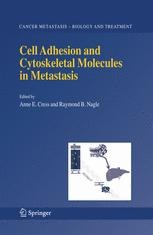
Cell Adhesion and Cytoskeletal Molecules in Metastasis
In this volume, the expression of specific adhesion molecules within human cancer tissues are highlighted. The expression signatures from published DNA microarray and immunohistochemistry studies are detailed. The concept that the alteration of specific adhesion molecules influence the cancer migration ability and cancer damage responses is detailed in this volume; both features are essential for the survival of an invading tumor cell. Defining the minimal adhesion receptors preserved on cancer cells during tumor progression will define the metastatic adhesion signature. Understanding the metastatic adhesion signature will reveal vulnerabilities that could be exploited for the prevention and/or eradication of the invading cancer cell.
CD137 Pathway : Immunology and Diseases
This comprehensive volume, written by experts in the field, covers nearly all aspects of ongoing research related to the CD137 pathway. Recent research has shown that the manipulation of CD137 pathway molecules is very promising in the treatment of cancer, viral infection, transplantation rejection and autoimmune diseases in experimental animal models. The volume includes research related to the identification and understanding of functional consequences of CD137 receptor and ligand molecules which represents a major effort in the field of immunology. CD137 Pathway: Immunology and Diseases is an ideal book for immunologists, microbiologists, cancer researchers, molecular biologists, biochemists, and pharmaceutical and biotechnology company scientists.
Cardiac Mechanotransduction
For about hundred years the investigation of heart physiology has had one central guiding principle, the "law" of Frank and Starling. This connects the return of blood into the heart and the blood pressure with cardiac con traction force. The "law" does it in a way that enables the cardiovascular system to react to perturbations without major malfunctions. This book is a compilation of reviews of prominent scientists on this subject. The differ ence of the original formulation of the Frank-Starling principle is that mechanotransduction is the central theme that leads the reader through the book. Since the discovery of the "law" the scope of topics related to this subject has broadened enormously, as can be seen easily by glancing at the contents of this book. Mechanotransduction in the heart has many faces that range from molecules to humans and their diseases.
Carbon Nanotubes : From Basic Research to Nanotechnology
A nanotube can bend easily but still is very robust. The nanotubes can be manipulated and contacted to external electrodes. Their diameter is in the nanometer range, whereas their length may exceed several micrometers, if not several millimeters. In diameter, the nanotubes behave like molecules with quantized energy levels, while in length, they behave like a crystal with a continuous distribution of momenta. Depending on its exact atomic structure, a single-wall nanotube –that is to say a nanotube composed of just one rolled-up graphene sheet– may be either a metal or a semiconductor. The nanotubes can carry a large electric current, they are also good thermal conductors.

Carbon monoxide in drug discovery, basics, pharmacology, and therapeutic potential
Carbon monoxide, one of the smallest organic natural molecules, is widely known for its toxicity. Formation of CO via incomplete combustion is a major contributing factor to accidental or intentional CO poisoning, leading to severe health consequences or death. In addition, CO is a by-product of tobacco smoking, and has been associated with some of the harmful effects of smoking. However, less known and probably far more important is the recognition of the essential physiological roles of CO as a signaling molecule in mammals. Against over more than a century of negative connotation, the last few decades have proven that CO possesses a multitude of physiological roles and therapeutic functions including regulation of the immune response, cellular proliferation, and control of cell survival. This concept is supported by the discovery that CO is produced by all cells and more so under conditions of stress. This book comprehensively summarizes key aspects of CO's endogenous roles, therapeutic functions, and challenges that we face in its development as a therapeutic agent. We hope this preface will provide a thread for reading this book and a birds-eye view of the landscape for understanding this field, and more importantly lay out the challenges ahead in understanding the detailed mechanisms of action of CO and in its development as a therapeutic agent.
