



الصفحة 7
الصفحة 7

CRP and the relation with heart disease
Cardiovascular diseases are the leading causes of mortality and morbidity in industrialized and developing countries. Many efforts have been undertaken during the last decades to identify environmental, behavioral and genetic factors modulating the risk of cardiovascular diseases.It will explain the role of CRP - an acute-phase protein- as indicator of potential cardiovascular disease as well as a predictor of the risk for heart disease and future heart attack

Creative Chemical Sensor Systems
Schrader has compiled an excellent set of articles that present a current snapshot of chemical sensing utilizing state-of-the-art approaches ranging from combinatorial receptor libraries to artificial membrane pores. This volume is an excellent read for the budding and seasoned bioorganic chemist, chemical biologist, or supramolecular chemist as well as for those in allied fields who wish to apply emerging chemical techniques to solve current problems in chemical sensing.This book provides an overview of recent creative new approaches which use chemical means of detection and quantification of important analytes. Creative chemical sensor systems is a rapidly growing subject.

Coronaviruses : Methods and Protocols
Aims to describe a variety of techniques that reflects the wide range of research currently performed in the field of coronavirology, and begins with an overview of current understandings of coronavirus replication and pathogenesis to introduce specialists and non-specialists to the field. The rest of the book is divided into several sections of chapters beginning with those that describe identification, diagnosis, and study of the evolution of coronaviruses. The next few chapters discuss the preparation of cells and organ cultures useful in propagating coronaviruses and titration techniques, as well as techniques for analyzing virus functions that require purification of the viruses. The next chapters describe two commonly used reverse genetics techniques for coronaviruses, and techniques detailing identification of cellular receptors, binding profiles of viral attachment proteins, and virus-cell fusion. The final chapters cover a broad spectrum of techniques to identify virus-host protein-protein interactions, confirm the functional role of these proteins in virus replication, study host cell responses through genome-wide or pathway-specific approaches, and visualize virus replication complexes. Written in the highly successful Methods in Molecular Biology series format, the chapters include the kind of detailed description and implementation advice that is crucial for getting optimal results in the laboratory.

Coronavirus Replication and Reverse Genetics
This book contains information on virus genome structure, mechanism of replication and transcription, and the development of tools that make possible reverse genetic studies to understand virus-host interactions and the molecular basis of virus pathogenesis. The book also provides essential information for the development of classical and recombinant vaccines to control coronavirus infections.

Controlled Nanoscale Motion : Nobel Symposium 131
This volume provides an introduction to the state-of-the-art of controlled nanoscale motion in biological and artificial systems. Topics include the control and function of protein motors, the physics of non-equilibrium Brownian motion, and the physics and fabrication of synthetic molecular motors.

Computer simulations in condensed matter : From materials to chemical biology ; Vol.2
This extensive and comprehensive collection of lectures by world-leading experts in the field introduces and reviews all relevant computer simulation methods and their applications in condensed matter systems. Volume 1, published as LNP 703 (ISBN 3-540-35270-8) is an in-depth introduction to a vast spectrum of computational techniques for statistical mechanical systems of condensed matter. It will enable the graduate student and both the specialist and nonspecialist researcher to get acquainted with the tools necessary to carry out numerical simulations at an advanced level. The present volume is a state-of-the-art survey on numerical experiments carried out for a great number of systems, ranging from materials sciences to chemical biology, such as supercooled liquids, spin glasses, colloids, polymers, liquid crystals, biological membranes and folding proteins.

Collagen : Primer in Structure, Processing and Assembly
This volume of Topics in Current Chemistry is an attempt to update and compile the biochemical, molecular knowledge of the still growing family of collagenous proteins. Its intention is to provide a comprehensive summary of all mechanisms known to be involved in synthesis, processing and deposition of collagen molecules, all of which are apparently shared by any known collagen type as part of a common biosynthetic route. From the intracellular initiation of protein translation to the extracellular deposition of mature molecules into the scaffold of the preformed tissue texture, collagen biosynthesis exhibits a profile of mechanisms absolutely unique when compared to other proteins

CO-ENZYME Q10
Coenzyme Q10 (CoQ10) is a fat-soluble compound that is synthesized by the body and can be obtained from the diet. Co-Q10 plays a central role in mitochondrial oxidative phosphorylation and the production of adenosine triphosphate (ATP). It also functions as an antioxidant in cell membranes and lipoproteins. Endogenous synthesis and dietary intake provide sufficient C0- Q10 to prevent deficiency in healthy people, although coenzyme Q10 concentrations in tissues decline with age. Oral supplementation of coenzyme Q10 increases coenzyme Q10 concentrations in plasma and lipoproteins. Oral high-dose co- Q10 is usually effective to treat mitochondrial disorders that are caused by mutations in coenzyme Q10 biosynthetic genes.

Co- and post-translational modifications of therapeutic antibodies and proteins
A Comprehensive Guide to Crucial Attributes of Therapeutic Proteins in Biological Pharmaceuticals With this book, Dr. Raju offers a valuable resource for professionals involved in research and development of biopharmaceutical and biosimilar drugs. This is a highly relevant work, as medical practitioners have increasingly turned to biopharmaceutical medicines in their search for safe and reliable treatments for
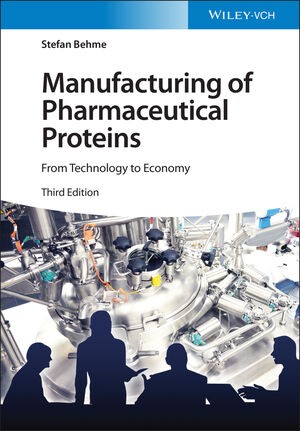
Manufacturing of Pharmaceutical Proteins: From Technology to Economy
Manufacturing of Pharmaceutical Proteins: From Technology to Economy, renowned chemical engineer Dr. Stefan Behme delivers a comprehensive text covering all aspects of biopharmaceutical manufacturing, including legal and regulatory considerations, production facility design, quality assurance, supply chain management, emerging market regulations, and cost control.
Malaria: Drugs, Disease and Post-genomic Biology
This volume brings some of the worlds best investigators to describe recent advances in both the scientific and clinical aspects of malaria, and bridges between the two. The opening chapters discuss antimalarials and resistance to them in Africa and Asia. Then there are reviews of the different clinical manifestations of malaria, ranging from uncomplicated infections to severe disease and its complications.
Lysosomes
This book summarizes the current state-of-the art knowledge about this unique organelle. It addresses the biogenesis of this compartment, the transport of lysosomal proteins, the role of the lysosomal membrane in lysosomal stability and transport, the function of lysosomal proteases and hydrolases, lysosomal storage disorders, and new concepts on how to treat these diseases.
Lymphocyte Signal Transduction
Signal transduction through leukocyte receptors involves a variety of signaling molecules including kinases, phosphatases, adaptor proteins, small GTPases GTP exchange factors, membrane phospholipids as well as others. These signal transducers, regulated by inter- and intra-molecular interactions, as well as by various post-translational modifications, lead to the activation of transcription factors that mediate cellular differentiation and growth, effector cell functions, and apoptotic cell death. Several investigators from various parts of the world convened at the 3rd Lymphocyte Signal Transduction Workshop in Crete, Greece from May 27 to June 1, 2005 to discuss their most recent findings in leukocyte signaling. This volume represents a collection of topics discussed during the conference.

Life - As a Matter of Fat : The Emerging Science of Lipidomics
Lipids are as important for life as proteins, sugars, and genes. The present book gives a multi-disciplinary perspective on the physics of life and the particular role played by lipids and the lipid-bilayer component of cell membranes. The book is aimed at undergraduate students and young research workers within physics, chemistry, biochemistry, molecular biology, nutrition, as well as pharmaceutical and biomedical sciences. The emphasis is on the physical properties of lipid membranes seen as soft and molecularly structured interfaces. By combining and synthesizing insights obtained from a variety of recent studies, an attempt is made to clarify what membrane structure is and how it can be quantitatively described. Furthermore, it is shown how biological function mediated by membranes is controlled by lipid membrane structure and organization on length scales ranging from the size of the individual molecule, across molecular assemblies of proteins and lipid domains in the range of nanometers, to the size of whole cells. Applications of lipids in nano-technology and biomedicine are also described.

Latency Strategies of Herpesviruses
This is the first book dealing with the intricate epigenetic mechanisms (DNA methylation, histone modification, alteration of chromatin structure) that regulate latency-associated transcription. Special attention is given to immune evasion "tricks" blocking immune responses to herpesvirus infected cells and viral RNAs and proteins involved in malignant transformation.

Laboratory Guide to the Methods in Biochemical Genetics
This manual deals specifically with laboratory approaches to diagnosing inborn errors of metabolism. The key feature is that each chapter is sufficiently detailed so that any individual can adopt the described method into their own respective laboratory.
Kinase Drug Discovery : Modern Approaches
Kinase inhibition remains an area of significant interest, and growing importance, across academia and the pharmaceutical industry. There are now many marketed drugs that target kinases and a significant number of compounds are currently in various stages of clinical development. This book is a forward-looking analysis of a number of key areas for kinase inhibition in the coming years and builds on the first volume. This includes topics such as screening approaches to target kinases along with different modes of inhibition such as allosteric and covalent. Novel approaches such as macrocyclisation are considered along with how the properties of kinase inhibitors have evolved, including the potential for brain penetration. Recent areas of great importance also covered include cutting edge molecular modelling approaches and the importance of kinase mutations.
Kaposi Sarcoma Herpesvirus : New Perspectives
Since the identificationof two sequences fromKSHV,wehave learnedmuch about this pathogen as reflected in this book. As it turned out, KSHV itself encodes for a number of cytokines, and induces cellular cytokine secretion, contributing to tumour growth. Moreover, KSHV vFLIP targets the IKKNFκB axis to encourage the inflammatory microenvironment observed by Gallo and his colleagues. KSHV continues to elucidate both mechanisms of viral oncogenesis, and cellular and immune pathways involved in non-viral driven neoplasia.
Computational biology in drug discovery and repurposing
Takes an in-depth look at the emerging and prospective field of computational biology and bioinformatics, which possesses the ability to analyze large accumulated biological data collected from sequence analysis of proteins and genes and cell population with an aim to make new predictions pertaining to drug discovery and new biology. The book explains the basic methodology associated with a bioinformatics and computational approach in drug designing. It then goes on to cover the implementation of computational programming, bioinformatics, pharmacophore modeling, biotechnological techniques, and pharmaceutical chemistry in designing drugs. The major advantage of intervention of computer language or programming is to cut down the number of steps and costs in the field of drug designing, reducing the repeating steps and saving time in screening the potent component for drug or vaccine designin

Complement and Kidney Disease
It is evident that a defective or deregulated complement system results in kidney diseases. An important role of complement effector and regulatory proteins in pathological settings of the kidney has been demonstrated. A large panel of distinct human kidney diseases is caused by defective complement control. Genetic analyses have identified mutations in complement regulators that are associated with these diseases. Mutations have been identified in the fluid phase alternative pathway regulator Factor H and the membrane regulator Membrane Cofactor Protein MCP (CD46). The functional characterization of the mutant proteins allows to define the pathophysiological events on a molecular level. These new concepts and data on disease mechanisms allowed establishing new diagnostic and promising therapeutic approaches for several human kidney diseases. Molecular biology, clinics and therapy are discussed in this volume.
