



الصفحة 7
الصفحة 7

COVID-19 & Cardiovascular Complications
A highly pathogenic human coronavirus, severe acute respiratory syndrome coronavirus 2 (SARS-CoV-2), has been recently recognized in Wuhan, China, as the cause of the coronavirus disease 2019 (COVID-19) outbreak which has spread rapidly from China to other countries in the world, causing a pandemic with alarming morbidity and mortality. The emerging epidemiological data about COVID-19 patients suggest an association between cardiovascular diseases (CVD) and SARS-CoV-2 infection, in term of clinical features at hospital admission and prognosis for disease severity. The aim of our review is to describe the cardiological features of COVID-19 patients at admission, the acute cardiac presentation, the clinical outcome for patients with underlying CVD and the pharmacological implications for disease management.

Cough : Pathophysiology, diagnosis and treatment
This book provides an updated and comprehensive overview of cough, while opening new perspectives for their treatment and management. It enables readers to not only discover new physiologic features and mechanisms but also to gain an in-depth understanding of the diagnostic workup of cough, still one of the most frequent and challenging symptoms in daily medical practice. The book also provides insights into cough’s features and pathogenesis, as well as into pharmacologic and non-pharmacologic treatments. The most frequent causes of chronic cough (asthma, postnasal drip, gastroesophageal reflux and chronic hypersensitivity syndrome) and different types of pediatric cough are also explored.

Coronaviruses with Special Emphasis on First Insights Concerning SARS
This book series focuses on relevant and trending topics in microbiology and infectious diseases with emphasis on emerging pathogens and related diseases.This interdisciplinary series presents latest advances and new approaches in molecular biology as well as insights into human and veterinary clinical medicine. Furthermore, matters in epidemiology, disease management, hygiene and prevention of infectious diseases are discussed. Emerging or novel pathogens are a grand challenge in medical science. Therefore, we focused the first volume of this series on the outbreak of SARS. The advent of SARS is a threat for people around the globe. Our modern technologies in communication and mobility have figuratively transformed the world into a village. This traffic, however, reprensents a new opportunity to spread diseases, particularly such of infectious nature from tiny villages throughout the entire world. In-depth knowledge of a novel pathogen's characteristics will help to manage or event prevent pandemias.

Coronaviruses : Methods and Protocols
Aims to describe a variety of techniques that reflects the wide range of research currently performed in the field of coronavirology, and begins with an overview of current understandings of coronavirus replication and pathogenesis to introduce specialists and non-specialists to the field. The rest of the book is divided into several sections of chapters beginning with those that describe identification, diagnosis, and study of the evolution of coronaviruses. The next few chapters discuss the preparation of cells and organ cultures useful in propagating coronaviruses and titration techniques, as well as techniques for analyzing virus functions that require purification of the viruses. The next chapters describe two commonly used reverse genetics techniques for coronaviruses, and techniques detailing identification of cellular receptors, binding profiles of viral attachment proteins, and virus-cell fusion. The final chapters cover a broad spectrum of techniques to identify virus-host protein-protein interactions, confirm the functional role of these proteins in virus replication, study host cell responses through genome-wide or pathway-specific approaches, and visualize virus replication complexes. Written in the highly successful Methods in Molecular Biology series format, the chapters include the kind of detailed description and implementation advice that is crucial for getting optimal results in the laboratory.

Coronavirus therapeutics ; Vol. II : Clinical management and public health
Provides the most comprehensive review on contemporary knowledge on the consequences during the outbreak of Coronavirus. This also describes the clinical features, diagnostic evaluation and management of Coronavirus patients. Using an integrative approach to the understanding of paradigm gap in host-pathogen interaction studies to the management of Coronavirus patients in the Intensive Care Unit to the current challenges for the effective management of Coronavirus pandemic risk factors including diabetes, hypertension, obesity and repercussion on the central and peripheral nervous system.

Coronavirus therapeutics ; Vol. I : Basic science and therapy development
Provides the most comprehensive review on contemporary knowledge on the origin and structural biology and molecular aspects of Coronaviruses. This also describes the etiology and pathogeny and therapeutic targets including vaccine drug candidates against Coronaviruses in the light of current scientific knowledge. Using an integrative approach to the understanding of Coronaviruses structure, function and immunobiology, the contributors provide a synopsis of novel mechanisms by which Coronaviruses can be treated.

Coronavirus Replication and Reverse Genetics
This book contains information on virus genome structure, mechanism of replication and transcription, and the development of tools that make possible reverse genetic studies to understand virus-host interactions and the molecular basis of virus pathogenesis. The book also provides essential information for the development of classical and recombinant vaccines to control coronavirus infections.

Cornea and External Eye Disease : Corneal Allotransplantation, Allergic Disease and Trachoma
The 8 recurring volumes of the "Essentials in Ophthalmology" series cover the most recent developments in one of eight subspecialties in Ophthalmology.

Contrast Agent and Nephropathy
Diagnostic tests such as MRIs (magnetic resonance imaging), CT (Computed tomography) scans and angiograms are routinely used because they provide important information about many diseases or injuries and can help in diagnosis and treatment. In many cases, the use of a contrast dye is necessary to enhance these tests, but sometimes these dyes can either lead to kidney problems, or cause problems in patients with kidney disease. There are two rare but serious disorders associated with contrast dyes and the kidneys: contrast induced nephropathy (CIN) and nephrogenic systemic fibrosis (NSF).

Color Atlas of Chemical Peels
This book is the first atlas on chemical peels, representing the state of the art in this field. It is a fully illustrated text, becoming an ideal reference tool for dermatologists dealing with cosmetology. It is a practical and simple guide: in the first part the peeling techniques are displayed in a step-by-step manner with an exhaustive text supporting the illustrations; in the second part different diseases are discussed in their pathogenesis and treatment options.
Management of Complications in Refractive Surgery
This guide offers the reader practical pearls to the solution and prevention of the different complications of corneal and refractive surgery. All complications are described and lavishly illustrated from its pathogenesis to its treatment modalities.
Management of atopic dermatitis : Methods and challenges
This new edition builds upon the foundational knowledge covered in the first edition, covering the epidemiology, pathogenesis, and clinical presentation of atopic dermatitis in both pediatric and adult patients. It provides an overview of the mechanism and presentation of atopic dermatitis and focuses on the management methods experienced dermatologists have used to successfully manage atopic dermatitis. The book includes new chapters describing the special considerations for atopic dermatitis in skin of color patients, dedicated chapters on topical and oral prescription management reflected the latest FDA-approved treatments, and also a chapter covering the updated guidelines from the American Academy of Dermatology. A final chapter includes updates on the future of atopic dermatitis treatment.
Malignant Mesothelioma : Pathogenesis, Diagnosis, and Translational Therapies
(Review from JAMA) Malignant mesothelioma is an uncommon neoplasm usually associated with exposure to asbestos. Because of its low incidence, thorough reviews of the topic are hard to find. Harvey Pass and colleagues have edited an up-to-date, comprehensive book that includes a wide range of information, from a historical perspective to descriptions of the latest treatment. The authors . . . have written chapters on the carcinogenesis, molecular genetics, and clinical aspects of mesothelioma. Malignant Mesothelioma is suitable for a broad audience. Laboratory researchers will use it as a resource for information about the pathogenesis, animal models, molecular genetics, and cell lines of mesothelioma. . . . Clinicians will benefit from this complete guide to the presentation, prognosis, imaging, and treatment of the disease. I highly recommend this book to all who are interested in mesothelioma.
Macular Degeneration
Macular Degeneration: Science and Medicine in Practice provides a unique overview of current thinking in the pathogenesis, incidence and treatment of AMD. It includes, for the first time, a synthesis of the views of the world's leading scientists and practitioners regarding retinal biology, basic mechanisms, clinical and pathogenetic processes, and rational approaches to intervention.

Lymphocyte Trafficking in Health and Disease
Since the discovery of chemokines and of chemokine receptors it has become evident that expression of chemokines at the site of inflammation may regulate the composition of cellular infiltrate, thereby directing the type of immune response. Recently, the molecular characterization of inherited disorders of immune system, (e.g., Wiskott-Aldrich syndrome, WHIM syndrome, leukocyte adhesion deficiency), which are characterized by cytoskeleton/adhesion defects or by altered response of chemokine receptors has contributed to clarifying the key players of immune response in normal physiology and in disease. This book, which deals with the description of the role of chemokines in immune response and underlines potential targets of therapeutical intervention, offers a series of contributions of the most challenging aspects of lymphocyte migration in homeostasis and in disease.
Lung biology and pathophysiology
The lungs are the organ for gas exchange between the body and the external environment. Dysfunction of upper airway epithelium and smooth muscle cells leads to pathogenesis of asthma, chronic obstructive pulmonary disease (COPD), cystic fibrosis, and other conditions, resulting in airway inflammation and narrowing. Injury to alveolar epithelium and endothelium causes influx of neutrophil and protein-rich fluid from circulation, resulting in edema and disruption of gas exchange. In addition to lung structural cells, immune cells, including alveolar macrophages and lymphocytes play critical roles in the maintenance of lung function. This book contributes to the understanding homeostasis of lung cells in the physiological and pathological conditions critical to the development of novel therapeutics.
Liver carcinogenesis : Methods and protocols
Discusses the latest advancements in modern methodologies used to study liver carcinogenesis. The first half of this book describes pertinent preclinical models of hepatocellular carcinoma (HCC) and cholangiocarcinoma (CCA), established either through orthotopic induction of ectopic implantation. The second half of this book covers a diverse array of techniques applied to characterize the biochemical and cellular composition of hepatic malignancies that operate at the single-cell and histological levels. Written in the highly successful Methods in Molecular Biology series format, chapters include introductions to their respective topics, lists of the necessary materials and reagents, step-by-step, readily reproducible laboratory protocols, and tips on troubleshooting and avoiding known pitfalls.
Listeria Monocytogenes : Pathogenesis and Host Response
This comprehensive volume, written by experts in the field, includes concise and timely reviews of Listeria monocytogenes, one of the most intensively studied bacterial pathogens. Listeria monocytogenes is the cause of listeriosis, a potentially fatal disease that arises from the consumption of contaminated food. During the past two decades, studies of this organism have uncovered a wealth of information on its virulence factors, its genome organization, and its interactions with host cells and the immune system.
Lindhe's Clinical Periodontology and Implant Dentistry ; 2 Vol. Set ; 7th ed.
Provides an introduction to anatomy, including periodontal tissues, the edentulous ridge, the mucosa at teeth and implants, and osseointegration Discusses the epidemiology of periodontal and peri-implant diseases Explores the microbiology, including dental biofilms and calculus, periodontal infections, peri-implant infections, the pathogenesis of gingivitis and periodontitis, and the genetic susceptibility to periodontal disease Includes the latest perio- and peri-implant disease classifications Contains updated evidence-based preventive and treatment modalities for the treatment of periodontal and peri-implant diseases Features the latest evidence-based therapeutic alternatives on the use of dental implants to rehabilitate the lost dentition
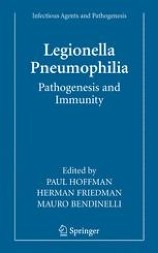
Legionella Pneumophila : Pathogenesis and Immunity
Legionella pneumophila is an emerging human pathogen that resides in natural environments as a parasite of freshwater. The volume brings together all of the lastest research on this pathogen, the interest in which is rapidly growing.
