



الصفحة 7
الصفحة 7

Defending Life : The Nature of Host-Parasite Relations
Defending Life discusses the relationship between hosts and parasites. A major contention of the book is that the immune system depends ontologically on the ecosystem in which it is embedded; it would not have the features it has if it was not related in one way or other to parasitic agents and to the host’s own cells and tissues. To sustain the argument, life is investigated at all layers – from molecules up through cells, organisms and ecosystems. Together with the inverse course, which goes from ecological contingencies down to gene-expression profiles, the approach facilitates an advanced understanding of immunocompetence as well as its converse, immunoincompetence. The emphasis on analytical abstractions, coherent patterns and generative mechanisms makes possible the distinction between genuine causality and coincidental associations, and thus increases the understanding of why we observe what we observe. The book contains detailed descriptions of the immune system and the microbial world as well as methodological and conceptual clarifications.

Decoherence, Entanglement and Information Protection in Complex Quantum Systems ; Proceedings of the NATO ARW on Decoherence, Entanglement and Information Protection in Complex Quantum Systems, Les Houches, France, from 26 to 30 April 2004
Presents a collection of articles on the contemporary status of quantum mechanics, focusing on the fundamental issues of entanglement, decoherence, irreversibility, information processing, and control of quantum evolution, with a view of possible applications.
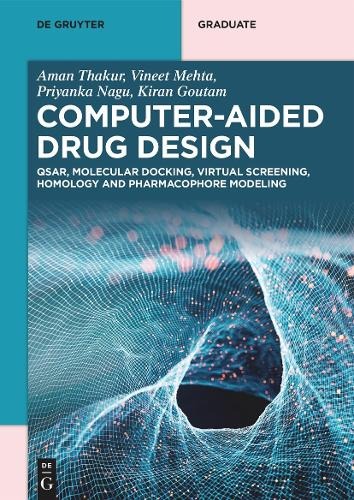
Computer-aided drug design
Computer-Aided Drug Design (CADD) is a comprehensive guide designed for both beginners and experienced users in CADD. Covers the fundamental principles and gradually delves into more advanced concepts and techniques, making it an invaluable resource to anyone interested in CADD. It begins by establishing a solid foundation, explaining the core concepts of CADD, the user interface and essential tools. It covers QSAR, molecular docking, homology modeling, virtual screening, pharmacophore modeling, ensuring that the reader can quickly become proficient in CADD. Provides in-depth insights into 3D modeling, rendering, and parametric design. The style of the book is simple, every topic begins from the very basics and explores advanced levels with clarity. Practical examples, step-by-step tutorials and hands-on exercises, are included for better understanding.

Computational methods for rational drug design
Covers the tools and techniques of drug design with applications to the discovery of small molecule-based therapeutics, detailing methodologies and practical applications and addressing the challenges of techniques like AI/ML and drug design for unknown receptor structures. Divided into 23 chapters, the contributors address various cutting-edge areas of therapeutic importance such as neurodegenerative disorders, cancer, multi-drug resistant bacterial infections, inflammatory diseases, and viral infections.

Comets and the Origin and Evolution of Life
Nine years after the publication of Comets and the Origin and Evolution of Life, one of the pioneering books in Astrobiology, this second edition revisits the role comets may have played in the origins and evolution of life. Recent analyses of Antarctic micrometeorites and ancient rocks in Australia and South Africa, the continuing progress in discovering complex organic macromolecules in comets, protostars and interstellar clouds, new insights into organic synthesis in comets, and numerical simulations of comet impacts on the Earth and other members of the solar system yield a spectacular wealth of new results.

Collagen : Primer in Structure, Processing and Assembly
This volume of Topics in Current Chemistry is an attempt to update and compile the biochemical, molecular knowledge of the still growing family of collagenous proteins. Its intention is to provide a comprehensive summary of all mechanisms known to be involved in synthesis, processing and deposition of collagen molecules, all of which are apparently shared by any known collagen type as part of a common biosynthetic route. From the intracellular initiation of protein translation to the extracellular deposition of mature molecules into the scaffold of the preformed tissue texture, collagen biosynthesis exhibits a profile of mechanisms absolutely unique when compared to other proteins

Marine Biotechnology II
This volume of Advances in Biochemical Engineering/Biotechnology illustrates several topics in line with the following broad objectives: thinking of marine biotechnology as the controlled production and use of marine organisms and molecules for useful purposes, firstly by exploring aspects of marine biodiversity and exploitation of biomass, then considering the identification, production and processing of marine products.

Marine Biotechnology I
Oceans, which occupy up to two thirds of the surface of our planet, were not really approached from scientific point of view until the second half of the 19th century and even the 20th with regard to microbial and unicellular life. Today, the importance of marine biodiversity has been fully recognized. It is, indeed, one of the aspects which, over the two past decades, have made a major contribution to our knowledge and vision of the living planetThis volume of Advances in Biochemical Engineering/Biotechnology illustrates several topics in line with the following broad objectives: thinking ofmarine biotechnology as the controlled production and use of marine organisms and molecules for useful purposes, firstly by exploring aspects of marine biodiversity and exploitation of biomass, then considering the identification, production and processing of marine products.

Marine bioactive molecules for biomedical and pharmacotherapeutic application
Explores cutting-edge research on the discovery and application of marine bioactive molecules for biomedical and pharmacotherapeutic purposes. The book begins by delving into the bioprospection of marine sponge microbiomes for bioactive metabolites using advanced metagenomics tools. It then explores metagenome mining approaches for the discovery of marine microbial natural products. The use of marine-derived fungi as a source of anticancer secondary metabolites is also discussed. The book then turns to the biomedical applications of marine-derived biomaterials, including marine biopolymers in tissue engineering and regenerative medicine. Marine-derived pharmaceuticals and polymeric nanostructures for cancer treatment are also examined.

March's Advanced Organic Chemistry : Reactions, Mechanisms, and Structure
The opening chapters of March's Advanced Organic Chemistry deal with the structure of organic compounds and discuss important organic chemistry bonds, fundamental principles of conformation, and stereochemistry of organic molecules, and reactive intermediates in organic chemistry. Further coverage concerns general principles of mechanism in organic chemistry, including acids and bases, photochemistry, sonochemistry and microwave irradiation. The relationship between structure and reactivity is also covered.

Management of atopic dermatitis : Methods and challenges
This new edition builds upon the foundational knowledge covered in the first edition, covering the epidemiology, pathogenesis, and clinical presentation of atopic dermatitis in both pediatric and adult patients. It provides an overview of the mechanism and presentation of atopic dermatitis and focuses on the management methods experienced dermatologists have used to successfully manage atopic dermatitis. The book includes new chapters describing the special considerations for atopic dermatitis in skin of color patients, dedicated chapters on topical and oral prescription management reflected the latest FDA-approved treatments, and also a chapter covering the updated guidelines from the American Academy of Dermatology. A final chapter includes updates on the future of atopic dermatitis treatment.

Magneto-Science : Magnetic Field Effects on Materials: Fundamentals and Applications
It is a dream of chemists and physicists to use magnetism, an important physical property of many materials, to control chemical and physical processes. With new manufacturing technologies for superconducting magnets, it has become possible to produce strong magnetic fields of 10 Tesla or more for applications in chemistry and physics. New magnetic phenomena, useful for processing functional molecules with improved quality, have been discovered recently. They open up exciting possibilities for studying and applying magnetic field effects in the chemical and physical processes of diamagnetic, paramagnetic and ferromagnetic materials. This volume will serve as a useful reference for specialists and non-specialists interested in this exciting new area of megneto-science.

Lymphocyte Signal Transduction
Signal transduction through leukocyte receptors involves a variety of signaling molecules including kinases, phosphatases, adaptor proteins, small GTPases GTP exchange factors, membrane phospholipids as well as others. These signal transducers, regulated by inter- and intra-molecular interactions, as well as by various post-translational modifications, lead to the activation of transcription factors that mediate cellular differentiation and growth, effector cell functions, and apoptotic cell death. Several investigators from various parts of the world convened at the 3rd Lymphocyte Signal Transduction Workshop in Crete, Greece from May 27 to June 1, 2005 to discuss their most recent findings in leukocyte signaling. This volume represents a collection of topics discussed during the conference.
Low Molecular Mass Gelators : Design, Self-Assembly, Function
Chapter 1 presents the physical principles of the growth mechanism of fiber and fiber network with LMGs, as treated on the basis of the heterogeneous nucleation model. in Chaps. 2 and 3, respectively. These chapters are intended to outline useful synthetic guidelines for the generation of an ever-increasing variety of molecular architectures within these two families of gelators. Recent developments in the chemistry of nucleobase-containing LMGs are described in Chap. 4. Hydrogen-bonding within these molecular systems involves complementary base pair formation, a process relevant to DNA double-helix formation The self-assembly of chiral organo- or hydrogelators is the subject of Chap. 5. result from the orthogonal self-assembly of liquid crystals and LMGs are presented in Chap. 6. The volume concludes with Chap. 7, a review of the emerging field of dendritic gels.

Lippincott illustrated reviews : Biochemistry ; 8th ed.
Biochemistry is the study of how our bodies utilize the nutritional substances in our diet to make building blocks, fuels, and communication molecules for our cells. It also includes the processes by which we convert chemicals within our bodies and eliminate chemicals from our bodies

Lipids in Health and Disease
Lipids are functionally versatile molecules. They have evolved from relatively simple hydrocarbons that serve as depot storages of metabolites and barriers to the permeation of solutes into complex compounds that perform a variety of signalling functions in higher organisms. This volume is devoted to the polar lipids and their constituents. We have omitted the neutral lipids like fats and oils because their function is generally to act as deposits of metabolizable substrates. The sterols are also outside the scope of the present volume and the reader is referred to volume 28 of this series which is the subject of cholesterol. The polar lipids are comprised of fatty acids attached to either glycerol or sphingosine. The fatty acids themselves constitute an important reservoir of substrates for conversion into families of signalling and modulating molecules including the eicosanoids amongst which are the prostaglandins, thromboxanes and leucotrienes. The way fatty acid metabolism is regulated in the liver and how fatty acids are desaturated are subjects considered in the first part of this volume. This section also deals with the modulation of protein function and inflammation by unsaturated fatty acids and their derivatives. New insights into the role of fatty acid synthesis and eicosenoid function in tumour progression and metastasis are presented.
Light, Water, Hydrogen : The Solar Generation of Hydrogen by Water Photoelectrolysis
The development of a direct, inexpensive, and efficient method for converting solar energy into a portable, clean fuel would allow elimination of the growing problems associated with the ever increasing use of fossil fuels and the reality of their rapid depletion. As the title suggests, Light, Water, Hydrogen: The Solar Generation of Hydrogen by Water Photoelectrolysis, considers the combination of water and light with a suitable semiconductor to achieve a safe, renewable and therefore inexhaustable means for hydrogen generation via the splitting of the water molecule, or photoelectrolysis.

Life - As a Matter of Fat : The Emerging Science of Lipidomics
Lipids are as important for life as proteins, sugars, and genes. The present book gives a multi-disciplinary perspective on the physics of life and the particular role played by lipids and the lipid-bilayer component of cell membranes. The book is aimed at undergraduate students and young research workers within physics, chemistry, biochemistry, molecular biology, nutrition, as well as pharmaceutical and biomedical sciences. The emphasis is on the physical properties of lipid membranes seen as soft and molecularly structured interfaces. By combining and synthesizing insights obtained from a variety of recent studies, an attempt is made to clarify what membrane structure is and how it can be quantitatively described. Furthermore, it is shown how biological function mediated by membranes is controlled by lipid membrane structure and organization on length scales ranging from the size of the individual molecule, across molecular assemblies of proteins and lipid domains in the range of nanometers, to the size of whole cells. Applications of lipids in nano-technology and biomedicine are also described.

Lie Algebras and Applications
This book, designed for advanced graduate students and post-graduate researchers, provides an introduction to Lie algebras and some of their applications to the spectroscopy of molecules, atoms, nuclei and hadrons. In the first part, a concise exposition is given of the basic concepts of Lie algebras, their representations and their invariants. The second part contains a description of how Lie algebras are used in practice in the treatment of bosonic and fermionic systems. Physical applications considered include rotations and vibrations of molecules (vibron model), collective modes in nuclei (interacting boson model), the atomic shell model, the nuclear shell model, and the quark model of hadrons. One of the key concepts in the application of Lie algebraic methods in physics, that of spectrum generating algebras and their associated dynamic symmetries, is also discussed. The book contains many examples that help to elucidate the abstract algebraic definitions. It provides a summary of many formulas of practical interest, such as the eigenvalues of Casimir operators and the dimensions of the representations of all classical Lie algebras.
Les thérapies ciblées = Targeted therapies
We are at the start of the development of new therapeutic classes, directed against new molecular targets (EGFR, VEGF, IGFR, Rank, etc.) Several diseases such as kidney, colon or breast cancer, GIST, have a natural history now modified thanks to these therapies. This practical book takes stock of the current use of these molecules.
