



الصفحة 7
الصفحة 7

New Tools of Economic Dynamics
New Tools of Economic Dynamics gives an introduction and overview of recently developed methods and tools, most of them developed outside economics, to deal with the qualitative analysis of economic dynamics. It reports the results of a three-year research project by a European and Latin American network on the intersection of economics with mathematical, statistical, and computational methods and techniques. Focusing upon the evolution and manifold structure of complex dynamic phenomena, the book reviews and shows applications of a variety of tools, such as symbolic and coded dynamics, interacting agents models, microsimulation in econometrics, large-scale system analysis, and dynamical systems theory. It shows the potential of a comprehensive analysis of growth, fluctuations, and structural change along the lines indicated by pioneers like Harrod, Haavelmo, Hicks, Goodwin, Morishima, and it highlights the explanatory power of the qualitative approach they initiated.

New Technologies in Radiation Oncology
This book provides an overview of recent advances in radiation oncology, many of which have originated from physics and engineering sciences. After an introductory section on basic aspects of 3D medical imaging, the role of 3D imaging in the context of radiotherapy is explored in a series of chapters on the various modern imaging techniques. A further major section addresses 3D treatment planning for conformal radiotherapy, with consideration of both external radiotherapy and brachytherapy. Subsequently the modern techniques of 3D conformal radiotherapy are described, including stereotactic radiotherapy, intensity-modulated radiation therapy, image-guided and adaptive radiotherapy, and radiotherapy with charged particles. More clinically oriented chapters explore the use of brachytherapy in patients with prostate cancer, cardiovascular disorders and breast cancer. The book concludes with a section on quality assurance.

New technical approaches and medications to improve fertility for women in Syria
Egg freezing is one way of preserving a woman's fertility so she can try to have a family in the future. It involves collecting a woman's eggs, freezing them and then thawing them later on so they can be used in fertility treatment. Egg freezing won't lower your ovarian reserve and won't decrease your chances of getting pregnancy naturally in the future. To understand why, we will first of all focus on the ovulation process. During each menstrual cycle—typically each month—one egg makes it through the whole ovulatory process, and we will discuss all the reasons which may suggest to do such a specific process in women such as being in malignant diseases and the risk of its side effects of this therapy on fertility for example this medication or radiation therapy mainly in a abdomen area is reducing fertility beside other types of medications mentioned in this research

New Stream Cipher Designs : The eSTREAM Finalists
The goal of eSTREAM was to promote the design of new stream ciphers with a particular emphasis on algorithms that would be either very fast in software or very resource-efficient in hardware. Algorithm designers were invited to submit new stream cipher proposals to eSTREAM, and 34 candidates were proposed from around the world. Over the following years the submissions were assessed with regard to both security and practicality by the cryptographic community, and the results were presented at major conferences and specialized workshops dedicated to the state of the art of stream ciphers.

New Perspectives on Aloe
The contents include a brief introduction of aloe, isolation, purification, and structural analysis of components, and various physiological effects of those components for possible use as health foods or drugs. Various functions identified were wound healing, angiogenesis, anti-allergy, skin whitening, stimulation of cell proliferation such as liver or kidney, protection against nephrotoxicity, and immune modulation. Moreover, we suggest standardization and quality control procedures for manufacturing raw aloe, and how to develop related products for successful application of aloe. This is important in Korea because last year the Korean government listed aloe as a health food for which the government establishes regulatory laws. Therefore, many scientists in Korea who are interested in studying health foods would be interested in this kind of text. Other major fields related to this kind of research will be medicine, biology, pharmaceutics, natural products and analytics.

New Perspectives in the Study of Mesoamerican Primates : Distribution, Ecology, Behavior, and Conservation
The purpose of this volume is to present a comprehensive overview of recent advances in primate field research, ecology, and conservation biology in Mesoamerica. The overall goal of each contribution is to integrate newly collected field data with theoretical perspectives drawn from evolutionary biology, socioecology, biological anthropology, and conservation to identify how our current knowledge of primate behavior and ecology has moved beyond more traditional approaches. A corollary to this, and an important goal of the volume is to identify geographical regions and species for which we continue to lack sufficient information, to develop action plans for future research, and to identify areas for immediate conservation action. Despite many decades of primate research in Mesoamerica, much is still unknown concerning the basic ecology and behavior of these species, demography, current distribution, and conservation status of local populations, and the effectiveness of conservation policies on primate survivorship. Four major areas of research are the focus of the volume: Evolutionary Biology and Biogeography; Population Demography and Ecology; Behavior; and Conservation and Management Policies.

New Perspectives in Magnesium Research : Nutrition and Health
New Perspectives in Magnesium Research is essential reading for researchers in magnesium and calcium field, nutrition, and specialists in many areas (cardiologists, neurologists, orthopeadic specialists etc.)

New Narratives in Eighteenth-Century Chemistry : Contributions from the 1st Francis Bacon Workshop, 21-23 April 2005, California Institute of Technology, Pasadena, California
The eighteenth century has long been considered critical for the development of modern chemistry, yet many crucial features of the period remain largely unknown or unexplored, for general accounts--often built around Lavoisier--have remained quite selective. This volume presents new approaches and topics in an attempt to build a richer, fuller, more complex view of chemical work during the period. Themes include "late-phase" alchemy, professionalization, chemical education, and the links and relations between chemistry and pharmacy, medicine, agriculture, and geology.

New methods for measuring and analyzing segregation
This book introduces new methods for measuring and analyzing residential segregation. It begins by placing all popular segregation indices in the “difference of group means” framework wherein index scores can be obtained as simple differences of group means on individual-level residential attainments scored from area racial composition. Drawing on the insight that in this framework index scores are additively determined by individual residential attainments, the book shows that the level of segregation in a given city can be equated to the effect of group membership (e.g., race) on individual residential attainments. This unifies separate research traditions in the field by joining the analysis of segregation at the aggregate level with the analysis of residential attainments for individuals.

New Mechanisms for Tissue-Selective Estrogen-Free Contraception
Combined oral contraceptives are the most convenient and accepted method of hormonal contraception. Nevertheless, the medical community and consumers constantly demand innovation, additional benefits during use and lower hormonal load despite the high safety profile of available products. At the Ernst Schering Research Foundation Workshop 52, new perspectives and mechanisms for tissue-selective, estrogen-free contraception were discussed. The aim of the workshop was to bring together experts in the field of molecular and pharmacodynamic action of progestins with clinicians and medical experts to discuss potential medical endpoints, physiological reactions and (bio)marker useful describing the tissue selectivity and the contraceptive action of new progestins in different target organs. A major factor for successful realization of these new concepts is a deeper understanding of local pharmacological responses to progestins in general and to new progestins in particular.

New Introduction to Multiple Time Series Analysis
This reference work and graduate level textbook considers a wide range of models and methods for analyzing and forecasting multiple time series. The models covered include vector autoregressive, cointegrated,vector autoregressive moving average, multivariate ARCH and periodic processes as well as dynamic simultaneous equations and state space models. Least squares, maximum likelihood and Bayesian methods are considered for estimating these models. Different procedures for model selection and model specification are treated and a wide range of tests and criteria for model checking are introduced. Causality analysis, impulse response analysis and innovation accounting are presented as tools for structural analysis. The book is accessible to graduate students in business and economics. In addition, multiple time series courses in other fields such as statistics and engineering may be based on it. Applied researchers involved in analyzing multiple time series may benefit from the book as it provides the background and tools for their tasks. It bridges the gap to the difficult technical literature on the topic.
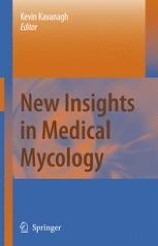
New Insights in Medical Mycology
The aim of this book is to give an in-depth assessment of our current understanding of the Biology of the main fungal pathogens and how they interact with the host’s immune response. Each Chapter focuses on a specific fungal pathogen or group of pathogens and examines their biology and the factors that allow the fungus colonise and disseminate within the host. In addition each Chapter gives an indication of the challenges that remain to be tackled over the next 5 – 10 years in increasing our understanding of fungal pathogenicity.

New insights in machine learning and deep neural networks
Gatheres ten exemplary papers, each delineating advancements within the spheres of machine learning and deep neural networks. Commencing with a thorough exploration by Figueira and Vaz, readers are introduced to the nuances of synthetic data generation and evaluation, followed closely by Silva and Pedroso's systematic approach to leveraging deep reinforcement learning within the intricate realm of delivery logistics. Kamran et al. contribute an astute methodology for camouflage object segmentation, whereas Pinheiro and collaborators offer a crafted semi-supervised strategy for predicting EGFR mutations via CT images. Subsequent contributions, such as Lee and Yoo's framework for portrait emotion recognition and Balakrishnan et al.'s analytical exploration of transformer models for Twitter disaster detection, further exemplify the depth of research contained herein.

New Frontiers in Regenerative Medicine
Rapid advances in stem cell biology have raised exciting possibilities of replacing damaged or lost tissues and cells by activation of in vitro-expanded stem cells or their progeny. This book examines many of the unresolved problems as well as future applications of regenerative medicine. Areas of focus include the nervous system and hippocampal neurogenesis, along with the functional significance of pro-inflammatory cytokines, and the production of free radicals after brain ischemia; the digestive and integumentary systems, dealing with hepatocyte transplantation, pancreatic regeneration, and skin and hair regeneration; and the cardiovascular system, with repair and remodeling of the lung and heart, and arterial remodeling with bone marrow-derived progenitor cells. In addition to animal experiments, results of research on human tissues and organs are included.

New Frontiers in Lifestyle-Related Diseases
Akiyoshi Hosoyamada, M.D., Ph.D. President, Showa University Tokyo, Japan September 2007 v Preface The leading cause of death in Western countries and some developing countries is atherosclerotic cardiovascular diseases. Among them, acute myocardial infarction is the most common type of fatal disease, caused by the progression of atherosclerosis characterized by accumulation of choles terol in vascular walls. Development of atherosclerosis is greatly enhanced by major risk factors for cardiovascular diseases such as obesity, hyperlip idemia, diabetes (hyperglycemia), and hypertension. Among those, obesity frequently initiates a metabolic change that subsequently induces hyperlip idemia, diabetes, hypertension, and eventually atherosclerotic cardiovascu lar diseases. Because obesity and its related disorders largely depend on lifestyle factors such as high calorie intake and low physical activity, a series of disorders are termed lifestyle-related diseases.

New Frontiers in Angiogenesis
New Frontiers in Angiogenesis starts with a comprehensive overview of the field and continues with topics that have been minimally explored. The topics deal with dynamics of vasculogenesis using imaging techniques, bone marrow-derived endothelial cell precursors as potential therapeutic tools, regulation of post-angiogenic vessel regression, vascular mimicry, design and construction of artificial vessels, bioengineering of angiogenesis, and lymphangiogenesis recapitulating angiogenesis in health and disease states. Each chapter is written by leading experts of the subjects. It is hoped that this volume will challenge all of us interested in the field of angiogenesis and cardiovascular biology, in particular those in academia and industries, to think "outside the box" and explore angiogenesis from a fresh angle. It is hoped that New Frontiers in Angiogenesis is thought provoking and serve as a road map for discovering new findings to help betterments of human health.

New Drug Development for Known and Emerging Viruses
This book discusses the entire field of antiviral drug discovery and development from a medicinal chemistry perspective, focusing on antiviral drugs, targets, and viral disease mechanisms. It provides an outlook on emerging pathogens such as Ebola, Zika, West Nile, Lassa, and includes a chapter on SARS Coronoavirus-2 causing the present pandemic.

New Dimensions of Business Reporting and XBRL
The authors of this book analyse the social and technical nature and role of XBRL in information supply chains and capital markets as well as the XBRL standard and taxonomies. They provide a critical view of XBRL from a research perspective, present different projects in the XBRL area and indicate future directions for XBRL research. Current research questions are taken up and discussed from different perspectives. From a technical point of view, the research spectrum encompasses the internal perspective up to the final user layer. Apart from these technical issues, there are also key socio-technical aspects which are vital to the understanding of XBRL use.

New Developments in Computational Fluid Dynamics ; Proceedings of the Sixth International Nobeyama Workshop on the New Century of Computational Fluid Dynamics, Nobeyama, Japan, April 21 to 24, 2003
This volume contains 20 papers in Nobeyama Workshop focuses on predicting the next one hundred years of development of Fluid Dynamics, accounting for the current status and future trends of high performance computation and communication.

New Concepts of Antiviral Therapy
Antiviral drugs are important tools for treatment or prevention of viral infections. These drugs were first used for monotherapy, but nowadays combinations of antiviral agents are often part of a standard treatment as evidenced by e.g. HAART (highly active antiretroviral therapy). However, in almost every case of antiviral therapy, drug resistant viruses appear. In addition, the low oral bioavailability, toxicity and the number of severe side effects still pose significant problems. All of the latter issues limit the clinical usefulness and drive the need for improved antiviral strategies. These strategies include new drugs and targets, novel modes of action, vector-based treatments and even the block of defined genes by inhibiting mRNA formation (siRNA).
