



الصفحة 7
الصفحة 7
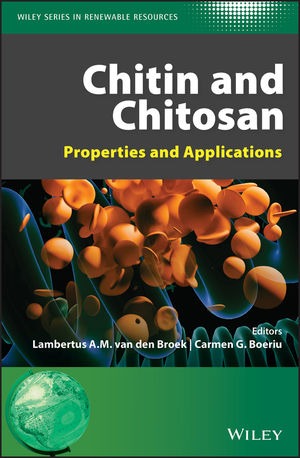
Chitin and Chitosan : Properties and Applications
Chitin and Chitosan: Properties and Applications presents a comprehensive review of the isolation, properties and applications of chitin and chitosan. These promising biomaterials have the potential to be broadly applied and there is a growing market for these biopolymers in areas such as medical and pharmaceutical, packaging, agricultural, textile, cosmetics, nanoparticles and more.
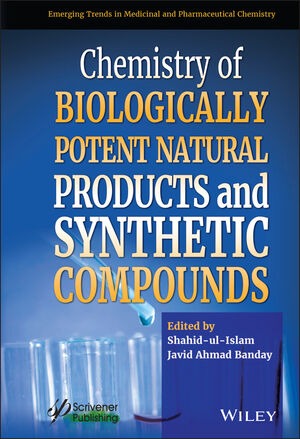
Chemistry of Biologically Potent Natural Products and Synthetic Compounds
Several novel natural product derivatives, heterocyclic and other synthetic compounds, have been reported to have shown interesting biological activities including anticancer, antimicrobial, anti-inflammatory, anti-glycemic, anti-allergy and antiviral etc. Provides up-to-date information on new developments and most recent medicinal applications of the natural products and derivatives, as well as the chemistry and synthesis of heterocyclic and other related compounds.

Checkpoint Responses in Cancer Therapy
This book’s distinguished panel of authors takes a close look at topics ranging from the major molecular players affecting DNA synthesis and the response to DNA damage to advances made in the identification of chemical compounds capable of inhibiting individual mitotic kinases. Illuminating and authoritative, Checkpoint Responses in Cancer Therapy offers a critical summary of findings for researchers in the pharmaceutical and biotechnology industries and a valuable resource for academic scientists in cancer research and the study of cell-cycle regulation, signal transduction and apoptosis.

Cell-secreted vesicles : Methods and protocols
Pesents hands-on technological protocols used to target an array of cell-secreted extracellular vesicles (EVs) in a variety of biological systems. Beginning with methods for EV purification and analysis, the book continues with sections on the study of EV functions as well as specific systems and models allowing for the study of EVs of different origin. Written for the highly successful Methods in Molecular Biology series, chapters include introductions to their respective topics, lists of the necessary materials and reagents, step-by-step and readily reproducible laboratory protocols, and tips on troubleshooting and avoiding known pitfalls.

Cell Technology for Cell Products ; Proceedings of the 19th ESACT Meeting, Harrogate, UK, June 5-8, 2005
The 19th ESACT meeting was to highlight the novel capabilities of the industry to move the products towards the clinic and was attended by a wide range of workers in the industry and for many it was their first ESACT meeting. The meeting was started with a session on Transcription to Secretion with a notable set of presentations on the emerging issues. The other sessions that followed Therapeutic Cell Engineering, Gene Medicine, Cells to Tissue, Protein products and Process Technology guided the delegates through the advances made for the progression of the biotechnology towards the industrial application of the products from cells. The meeting was supported by some exceptional invited speakers from around the world whose contributions complemented the emerging technologies and the changes being made at the industrial end of the ESACT spectrum.

Cell Separation : Fundamentals, Analytical and Preparative Methods
This special volume on cell separations discusses fundamental and applied aspects of the analytical and preparative cell-separation technologies. The aim is to enlighten the reader with the new developments in cell-separation technologies and at the same time provide sufficient knowledge with other existing and more commonly used techniques. The volume is comprised of contributions from subject experts from both academia and industry, focuses on the research and commercial aspects of cell-separation technology, and provides readers with broader choice. Unlike protein separation, the major challenge in cell separation has been the recovery of the cells in viable form after they are bound to the separation matrix, as cells bind more strongly through multipoint attachment. This is an important focus of the present work and one we believe will provide new insight to researchers in this field
Cell Culture Engineering
Many patients suffering with life-threatening diseases or chronic dysfunctions, which were medically untreatable not long ago, can attest to the wonder these drugs have achieved. Although the first generation of p- tein therapeutics was produced in recombinant Escherichia coli, most recent products use mammalian cells as production hosts. Not long after the first p- duction of recombinant proteins in E. coli, it was realized that the complex tasks of most post-translational modifications on proteins could only be efficiently carried out in mammalian cells.
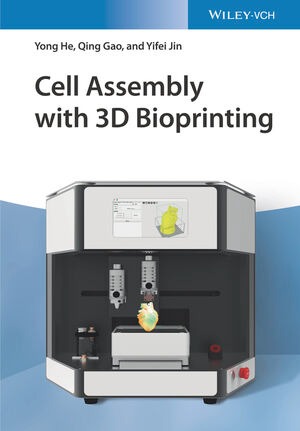
Cell assembly with 3D bioprinting
Detailed, highly illustrated chapters cover different bioprinting approaches and their applications, including coaxial bioprinting, digital light projection, direct ink writing, liquid support bath-assisted 3D printing, and microgel-, microfiber-, and microfluidics-based biofabrication. The book includes practical examples of 3D bioprinting, a protocol for typical 3D bioprinting, and relevant experimental data drawn from recent research.
Cell and Molecular Biology of Plastids
The present book provides a comprehensive overview of our current knowledge on plastid biogenesis, plastid-nuclear communication, the regulation of plastid gene expression at all levels, and also assesses the state of the art in key technologies, such as proteomics and chloroplast transformation. Written by recognized experts in the field, it covers plastid differentiation and division, genome structure and function, plastid inheritance, recombination, DNA replication and repair, transcription, RNA processing and translation as well as crucial posttranslational processes in plastid biogenesis and function, including protein processing, the assembly of multiprotein complexes, protein stability and degradation, protein import and sorting.
CD137 Pathway : Immunology and Diseases
This comprehensive volume, written by experts in the field, covers nearly all aspects of ongoing research related to the CD137 pathway. Recent research has shown that the manipulation of CD137 pathway molecules is very promising in the treatment of cancer, viral infection, transplantation rejection and autoimmune diseases in experimental animal models. The volume includes research related to the identification and understanding of functional consequences of CD137 receptor and ligand molecules which represents a major effort in the field of immunology. CD137 Pathway: Immunology and Diseases is an ideal book for immunologists, microbiologists, cancer researchers, molecular biologists, biochemists, and pharmaceutical and biotechnology company scientists.
Career development in bioengineering and biotechnology : Roads well laid and paths less traveled
Career Development in Bioengineering and Biotechnology is an indispensable guide to some of the most exciting career and professional growth opportunities in science, engineering, and beyond, and a "must read" for anyone interested in a career related to this burgeoning field.
Carbon and Its Domestication
Carbon is chemically versatile and is thus the body and soul of biological, geological, ecological and economic systems. Its appropriation by humans through diversion of its biogeochemical cycle has been a mainstay of development. This domestication is characterized by a number of thresholds: control of fire, development of agriculture, expansion of Europe, fossil-fuel use and biotechnology. All have exacted an environmental toll, not least being climatic change and biodiversity loss. Carbon management now and in the future is a ‘hot’ political issue.

Cancer
The last decade has seen a dramatic shift in anticancer drug research towards agents that aim to target selectively key regulatory and signaling processes known to drive tumorigenesis. A number of these newer agents have now been introduced into clinical practice. This volume reviews advances in cancer chemotherapy research over the last 10 years and will be of interest to scientists engaged in drug research in the pharmaceutical industry, biotechnology and startup companies, academia and government institutions. Chapters written by leading experts in their field reflect a range of current medicinal chemistry approaches to small molecule drugs, including anti-hormonal therapy, growth factor inhibition, survival signaling, cell cycle inhibition, anti-angiogenics and anti-nvasives. Each chapter aims to cover the drug target and biological rationale, chemotypes, clinical status and future prospects in this rapidly developing area of drug research.

Cadmium toxicity : challenges and solutions
Offers a comprehensive collection of review and case chapters that cover cadmium toxicity and remediation. It covers sources of cadmium contamination, its impact on human health, and prospective remediation strategies, taking a multi-disciplinary approach a focus on application of recent advanced biological technology. The chapters here bring together a diverse group of environmental science, sustainability and health researchers to address the challenges caused by cadmium contamination, explaining the routes of exposure to environmental cadmium, how cadmium is transported in ecosystems, and the health risks linked to cadmium exposure in food and the environment.
CADD and informatics in drug discovery
Updates knowledge on recent advances in computational and bioinformatics tools/techniques and their practical applications in modern drug design and discovery programme. Also it encompasses fundamental principles, advanced methodologies and applications of various CADD approaches including several cutting-edge areas / presenting recent developments covering ongoing trends in the field of computer-aided drug discovery. Having contributions by a global team of experts, the book is expected to be an ideal resource for drug discovery scientists, medicinal chemists, pharmacologists, toxicologists, phytochemists, biochemists, biologists, RandD personnel, researchers, students, teachers and those working in the field of drug discovery. It will fill the knowledge gaps that exist in the current CADD approaches and methodologies/ protocols being widely used in both academic and research practices. Further, a special focus on current status of various computational drug design approaches (SBDD, LBDD, De-novo drug design, Pharmacophore-based search), bioinformatics tools and databases, computational screening and modeling of phytochemicals/natural products, artificial intelligence and machine learning, and network pharmacology and system biology would certainly guide researchers, students or readers to conduct their research in the emerging area(s) of interest. It is also expected to be highly beneficial to different stakeholders working in the pharmaceutical and biotechnology industries (RandD), the academic as well as research sectors. .

Bridging laboratory and field research for genetic control of disease vectors
Contemporary research on genetic control of disease-transmitting insects knows two kinds of scientists: those that work in the laboratory and those known as ‘field people’. Over the last decade, both groups seem to have developed differing research priorities, address fundamentally different aspects within the overall discipline of infectious-disease control, and worse, have developed a scientific ‘language’ that is no longer understood by the ‘other’ party. This gap widens every day, between the North and the South, between ecologists and molecular biologists, geneticists and behaviourists, etc. The need to develop a common research agenda that bridges this gap has been identified as a top priority by all parties involved. Only then shall the goal of developing appropriate genetic-control strategies for vectors of disease become reality.

Brain and Human Body Modeling 2020 : Computational Human Models Presented at EMBC 2019 and the BRAIN Initiative® 2019 Meeting
This book describes modern applications of computational human modeling in an effort to advance neurology, cancer treatment, and radio-frequency studies including regulatory, safety, and wireless communication fields.
Biotechnology of medicinal plants with antiallergy properties : Research trends and prospects
Covers critically investigated information on medicinal plants prioritized for their anti-allergy properties. It offers insights into strategies related to the distribution, mechanism of action, and assessment of antiallergic medicinal plants, and also delves into crucial aspects of modern biotechnological tools, addressing their implementation challenges, presenting innovative approaches through case studies, and exploring opportunities for nanotechnologies. These elaborated discussions aim to raise awareness and bridge the gap between human health and the biodiversity of antiallergic medicinal plants.
Biotechnology for the Future
One area that has attracted much attention is the use of cell factories for the production of a wide range of chemicals. This area illustrates very well the definition of biochemical engineering , and it has therefore been chosen as the focus of this volume. The use of cell factories for production of chemicals dates back to the production of penicillin, ethanol, acetone–butanol, glycerol and further to enzymes and other antibiotics. All these products were traditionally produced by cell factories that naturally produce these compounds. With the introduction of genetic engineering it has,This volume therefore contains chapters on concepts of metabolic engineering on detailed modeling of cellular systems

Biotechnology for Odor and Air Pollution Control
An international board of authors from universities, research institutes, and industries describe various biotechnological methods ranging from laboratory, to pilot evaluation and to full-scale process implementation. Topics include bioprocesses for the treatment of odors and air pollutants in wastewater treatment plants, rendering plants, chemical production facilities, and food and flavor manufacturing facilities. In addition to the basic microbiological and engineering aspects, the design, modeling and control of bioreactors are also presented.
