



الصفحة 53
الصفحة 53
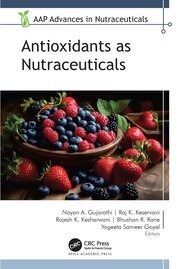
Antioxidants as nutraceuticals
Provides a comprehensive overview of antioxidants and nutraceuticals, including their sources, mechanisms of action, and health benefits, this new volume first covers the basics of the types of antioxidants as nutraceuticals, including the importance of phytochemical antioxidants and their nutritional and pharmacological intervention in the treatment of disease. It discusses the natural origins of antioxidants, classification, mechanisms of action, calculation of antioxidant potential of nutraceutical substances, safety, toxicity, and their significant involvement in the prevention of many degenerative and chronic diseases.

Anti-Obesity drugs
As a chronic and relapsing disease, obesity impairs metabolism and causes diabetes, cardiovascular diseases and cancer. Although behavioral modification is important for the treatment of obesity, it is difficult to achieve an ideal weight or sustain the process of long-term weight loss. Therefore, the obesity control guidelines strongly recommend lifestyle interventions along with medical treatment for patients who are overweight. There is sufficient evidence supporting that pharmacotherapy in combination with behavior-based interventions can result in significant weight loss and improvement of the health.
Antimicrobial Resistance and Implications for the Twenty-First Century
This new volume of the Emerging Infectious Diseases of the 21st Century series is a collection of chapters by leading world authorities on antimicrobial resistance of common, important bacterial, viral and fungal pathogens. This unique book should be in the possession of anyone interested in the field of infectious diseases, microbiology, infection control & public health. The chapters, which are written by reknown experts, provide a wealth of contemporary information on microbiology, molecular mechanisms, epidemiology, clinical relevance, treatment, and prevention
Antimalarial natural products
Begins with a short history of malaria and follows with a summary of its biology. It then traces the fascinating history of the discovery of quinine for malaria treatment, and then describes quinine’s biosynthesis, its mechanism of action, and its clinical use, concluding with a discussion of synthetic antimalarial agents based on quinine’s structure. It also covers the discovery of artemisinin and its development as the source of the most effective current antimalarial drug, including summaries of its synthesis and biosynthesis, its mechanism of action, and its clinical use and resistance. A short discussion of other clinically used antimalarial natural products leads to a detailed treatment of additional natural products with significant antiplasmodial activity, classified by compound type.
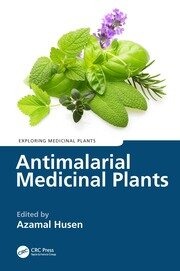
Antimalarial medicinal plants
Malaria continues to affect a large population of the world, especially in third world countries. The spread of drug-resistant parasites demonstrates the need for antimalarial agents with various modes of action. The search for remedies derived from medicinal plants for the treatment of malaria is reliant on accurate ethnobotanical and ethnopharmacological information obtained from traditional medical practitioners. Antimalarial Medicinal Plants provides information on bioactive compounds and therapeutic potentials of several antimalarial plant species found around the globe. This book evaluates these plant species with respect to their biology, diversity, distribution, and pharmacological values.

Anti-Inflammatory diet
An anti-inflammatory diet may serves as a complementary treatment for many conditions that worsen with chronic inflammation, and an anti-inflammatory diet focuses on fresh fruits and vegetables. Combine a variety of foods that are rich in nutrients, provide a range of antioxidants, and contain healthy fats. Such as fatty fish, green tea, berries, and special herbs such as curcumin, ginger, and licorice. ..
Antidiabetic plants for drug discovery pharmacology, secondary metabolite profiling, and ingredients with insulin mimetic activity
Takes an in-depth look at the potential pharmacological applications of 11 important antidiabetic plants, examining their antihyperglycemic, hypoglycemic, and anti-lipidemic properties along with current genome editing research perspectives. Plant natural products, or phytoconstituents, are promising candidates for antidiabetic pharmacological actions. The phytoconstituents, such as fl avonoids, terpenoids, saponins, carotenoids, alkaloids and glycosides, play vital roles in the current and future potent antidiabetic drug development programs. Each chapter reviews a particular plant with antidiabetic properties, explaining the therapeutic aspects, its active antidiabetic compounds, and relevant genome editing technology.
Antidiabetic medicinal plants and herbal treatments
Diabetes is a chronic condition associated with metabolic disorder. Persons suffering from diabetes have shown accelerated levels of blood sugar which often harms the heart, blood vessels, eyes, kidneys, and nerves. Over the past few decades, the prevalence of diabetes has been progressively increasing. Synthetic drugs are used to treat diabetic patients to help control the disorder, but it is shown that numerous medicinal plants and herbal drugs are widely used in several traditional systems of medicine to prevent and treat diabetes. They are reported to produce beneficial effects in combating diabetes and alleviating diabetes-related complications. These plants contain phtyonutrients and phytoconstituents demonstrating protective or disease preventive properties. In many developing countries, herbal drugs are recommended by traditional practitioners for diabetes treatment because the use of synthetic drugs is not affordable.

Antidepressants Beyond Depression, and Into Bacteria
Antidepressants are one of the most predominant drug groups in the pharmaceutical world, primary care units and the general public. Their original use was majorly for the treatment of depression along with other mental disorders. Today, antidepressant consume over 20% of the medical prescriptions and healthcare plans due to their recently discovered applications outside the psychiatry field. Due to the alarming rise of antibiotic resistance and the slow pace of new drug discovery, the world has been searching frantically for new or alternative drugs with antibacterial activity. Repurposing already FDA- approved drugs for uses that are off-label has become an important preposition in the pharmacy world due to its availability, low risk and low cost.
Antibiotics as Anti-Inflammatory and Immunomodulatory Agents
Although the potential for immunomodulation has been recognized for many years there has been an explosion of data in this field with relevance especially to the treatment of chronic airway diseases. Most of the work in this field has been conducted by Japanese investigators but in the last decade there has been a body of work outside of Japan that supports and enhances these findings. The book covers basic research like effects on bacteria, anti-inflammatory and mucoregulatory effects, but also clinical results with up-to-date information for the use of such medications to potentially treat diseases as diverse as chronic airway diseases, arthritis, inflammatory bowel disease, and cancer.

Antibiotic prescribing pattern for patients with community-acquired pneumonia in Syrian hospitals
Community-acquired pneumonia (CAP) is a leading cause of morbidity and mortality worldwide. The clinical presentation of CAP varies, ranging from mild pneumonia characterized by fever and productive cough to severe pneumonia characterized by respiratory distress and sepsis.Antibiotics are essential for CAP treatment, whereas inappropriate use of antibiotics might lead to increase in resistant bacteria and treatment failure
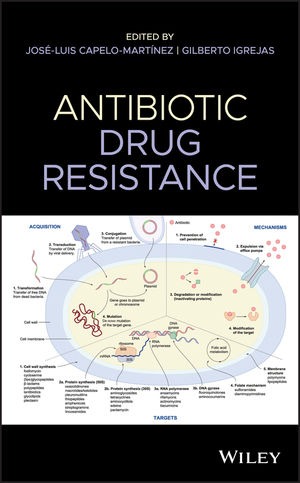
Antibiotic Drug Resistance
This book presents a thorough and authoritative overview of the multifaceted field of antibiotic science – offering guidance to translate research into tools for prevention, diagnosis, and treatment of infectious diseases.

Anorexia nervosa and mood-enhancing foods
Anorexia nervosa (AN) is a serious mental illness characterized by failure to maintain normal weight and by overvalued ideas about the importance of body shape and weight. This study aims to discuss Anorexia nervosa and understand the pathophysiology to successfully fight this enigmatic illness and present the goal of the treatment for individuals with AN. The bi-directional influences between emotion and food consumption are discussed. Finally, we have searched in Future Directions and Treatment development of AN.
Anorectal Malformations in Children : Embryology, Diagnosis, Surgical Treatment, Follow-up
The book assembles many new aspects in the broad field of anorectal and genitourinary malformations. Special attention is given to the new surgical techniques posterior sagittal anorectal plasty (PSARP), urogenital sinue advancement, and laparoscopy. The results of an international workshop of 26 international authorities on congenital malformations of the organs of the pelvis and perineum are presented. The new classification proposed at the Krickenberg Conference will enable future studies comparing the types and the results of treatment of anorectal malformations.
Angiogenesis and Direct Myocardial Revascularization
In Angiogenesis and Direct Myocardial Revascularization, an interdisciplinary panel of pioneers and opinion leaders review the basic, preclinical, clinical, and developmental pathways to new treatment strategies, such as therapeutic angiogenesis and myogenesis.
Anemia in the Elderly
Anemia is found in approximately 80% of elderly patients, most often caused by chronic disease and iron deficiency. Hemopoiesis is a crossroad for many aging-related events.Why do older patients become anemic When should a diagnostic work up of anemia be initiated in the older person? What are the clinical consequences of anemia? Can the treatment of anemia delay aging? Have erythropoietic growth factors played a role in age-related anemia? Who should receive an erythropoietin stimulating agent?When should the suspicion for Myelodysplastic Syndrome be ruled out and what are the clues?This book addresses these and many other important questions with a review of the most recent findings.

Analysis, Synthesis, and Perception of Musical Sounds : The Sound of Music
Analysis, Synthesis, and Perception of Musical Sounds contains a detailed treatment of basic methods for analysis and synthesis of musical sounds, including the phase vocoder method, the McAulay-Quatieri frequency-tracking method, the constant-Q transform, and methods for pitch tracking with several examples shown. Various aspects of musical sound spectra such as spectral envelope, spectral centroid, spectral flux, and spectral irregularity are defined and discussed. One chapter is devoted to the control and synthesis of spectral envelopes. Two advanced methods of analysis/synthesis are given: "Sines Plus Transients Plus Noise" and "Spectrotemporal Reassignment" are covered. Methods for timbre morphing are given. The last two chapters discuss the perception of musical sounds based on discrimination and multidimensional scaling timbre models.
Analysis, Modeling and Simulation of Multiscale Problems
This book reports recent mathematical developments in the Programme "Analysis, Modeling and Simulation of Multiscale Problems", which started as a German research initiative in 2006. Multiscale problems occur in many fields of science, such as microstructures in materials, sharp-interface models, many-particle systems and motions on different spatial and temporal scales in quantum mechanics or in molecular dynamics. The book presents current mathematical foundations of modeling, and proposes efficient numerical treatment.

Analysis file of drug-induced lung injury : expert opinion for analysis of big data
Describes the pathologic conditions of drug-induced lung injuries, monitoring strategies, and guides on how to interpret the evidence. It also dives into particular drugs that caused the disorder, such as EGFR inhibitors, anti-EGFR antibodies, mTOR inhibitors, proteasome inhibitors, immune checkpoint inhibitors, neoangiogenesis inhibitors, and other molecular targeted drugs. It outlines the analysis and interpretation of the post-marketing survey on surveillance of each drug for inducing pulmonary lesions presenting diffuse haziness. The data and analysis from this survey are valuable since a guideline is yet to be established due to limited clinical evidence and cases. As new drugs are developed, establishing treatment and event management is crucial.
Analysis and Algorithms for Service Parts Supply Chains
Services requiring parts has become a $1.5 trillion business annually worldwide, creating a tremendous incentive to manage the logistics of these parts efficiently by making planning and operational decisions in a rational and rigorous manner. This book provides a broad overview of modeling approaches and solution methodologies for addressing service parts inventory problems found in high-powered technology and aerospace applications. The focus in this work is on the management of high cost, low demand rate service parts found in multi-echelon settings. This unique book, with its breadth of topics and mathematical treatment, begins by first demonstrating the optimality of an order-up-to policy [or (s-1,s)] in certain environments. This policy is used in the real world and studied throughout the text. The fundamental mathematical building blocks for modeling and solving applications of stochastic process and optimization techniques to service parts management problems are summarized extensively. A wide range of exact and approximate mathematical models of multi-echelon systems is developed and used in practice to estimate future inventory investment and part repair requirements.
