



الصفحة 53
الصفحة 53

Human-computer interaction – INTERACT 2005 ; IFIP TC 13 International Conference, Rome, Italy, September 12-16, 2005, Proceedings
We will be, sooner or later, not only handling personal computers but also mul- purpose cellular phones, complex personal digital assistants, devices that will be context-aware, and even wearable computers stitched to our clothes…we would like these personal systems to become transparent to the tasks they will be performing. In fact the best interface is an invisible one, one giving the user natural and fast access to the application he (or she) intends to be executed. The working group that organized this conference (the last of a long row!) tried to combine a powerful scientific program (with drastic refereeing) with an entertaining cultural program, so as to make your stay in Rome the most pleasant one all round: I do hope that this expectation becomes true. July 2005 Stefano Levialdi, IEEE Life Fellow INTERACT 2005 General Chairman [1] Peter J. Denning, ACM Communications, April 2005, vol. 48, N° 4, pp. 27-31. Editors’ Preface INTERACT is one of the most important conferences in the area of Human-Computer Interaction at the world-wide level. We believe that this edition, which for the first time takes place in a Southern European country, will strengthen this role, and that Rome, with its history and beautiful setting provides a very congenial atmosphere for this conference. The theme of INTERACT 2005 is Communicating Naturally with Computers.

Human-centered software engineering - Integrating usability in the software development lifecycle
Human-CenteredSoftwareEngineering: BridgingHCI,UsabilityandSoftwareEngineering From its beginning in the 1980’s, the ?eld of human-computer interaction (HCI) has beende?nedasamultidisciplinaryarena. BythisImeanthattherehas beenanexplicit recognition that distinct skills and perspectives are required to make the whole effort of designing usable computer systems work well. Thus people with backgrounds in Computer Science (CS) and Software Engineering (SE) joined with people with ba- grounds in various behavioral science disciplines (e. g. , cognitive and social psych- ogy, anthropology) in an effort where all perspectives were seen as essential to creating usable systems. But while the ?eld of HCI brings individuals with many background disciplines together to discuss a common goal - the development of useful, usable, satisfying systems - the form of the collaboration remains unclear.

Human teeth : From function to esthetics
Provides a comprehensive overview of oral health. It includes twenty-one chapters that address such topics as dental anatomy and morphology, smile design, oral health, prosthetics and implantology, orthodontics, dental materials, use of artificial intelligence in dentistry, and regenerative medicine.

Human semen analysis : From the WHO manual to the clinical management of infertile men
Intended to bridge the gap between the laboratory manual and the clinician by explaining in detail the test indication, its clinical utility, interpretation of results, and presenting a decision algorithm based on the test results. Thebook has 19 chapters grouped under seven sections that follow the chapters of the sixth edition of the WHO manual. Each chapter is written and reviewed by a team of senior clinicians, thus bringing a perspective that is truly clinically relevant. This book will be of great value to all clinicians involved in the management of male infertility and will also be of interest to laboratory scientists involved in semen testing by providing them with clinical perspectives of the test they perform. Human Semen Analysis: From the WHO Manual to the Clinical Management of Infertile Men is a useful guide for utilizing the WHO manual, interpreting test results, and deciding what subsequent clinical actions to take.

Human resource management : An update
Human resource management - an update deals with the major theoretical and practical issues of managing people in different kinds of businesses in different countries around the world. chapters address such topics as theoretical bases for human resource management in the new work age, performance management and organizational management, leadership and job analysis, diversity, work–life balance, and sexual harassment, among others.

Human nutrition : University of Hawai‘i at Mānoa food science and human nutrition Program
A nutrition resource that reflects the diverse dietary patterns of people in Hawai‘i and the greater Pacific. Using the ‘ōlelo no‘eau, or Hawaiian proverb, stated above, we believe that the prin-ciples of nutrition should be taught through the context of our communities and environ-ments.

Human Missions to Mars : Enabling Technologies for Exploring the Red Planet
In Human Missions to Mars Donald Rapp looks at human missions to Mars from an engineering perspective. He begins by describing the pros and cons of robotic exploration versus human exploration and then examines the ideas for sending humans to Mars from the point of view of both the enthusiast and the skeptic. Chapter 2 describes how space missions are planned and how they may be achieved as a sequence of separate steps. Chapter 3 deals with the complex issues relating to the outward journey to Mars and the return leg. The author deals with propulsion systems and with the analysis of the.

Human microbiome : Clinical implications and therapeutic interventions
The human microbiome refers to the complete microorganisms inhabiting the human body sites including skin, ear, nose, oral cavity, the genital, gastrointestinal and respiratory tracts, and body fluids such as breast milk, saliva, and urine. It is a significant and essential organ recognized for the body and has an established involvement in the host wellbeing, in terms of nutritional requirements and immunomodulation. Talks about how alteration and imbalance in the same can have clinical implications associated with a multitude of gastrointestinal, lifestyle-associated, and neurodegenerative disorders. How the proliferation of specific groups of bacteria and their metabolic activities, as a result of intestinal dysbiosis leads to the 'leaky gut' condition thereby influences brain activity via the bidirectional gut-brain axis. It also coves the importance of microbial seeding and how it can be influenced by the mode of delivery, nutrition, and medication. This book also provides various therapeutic interventions such as the establishment of stool banks and Faecal microbiota transplantation (FMT) that have recently proved promising in the treatment of ASD, Inflammatory Bowel Disease, and Ulcerative Colitis. This book provides a deeper understanding of the development of the human gut microbiome and the factors driving its dysbiosis. This book is a valuable read for health professionals, medical students, nutritionists, and scientific research communities who are eager to update themselves with recent trends in microbiome research. It will also aid gastroenterologists and nutritionists to make well-informed choices regarding therapeutic regimes.
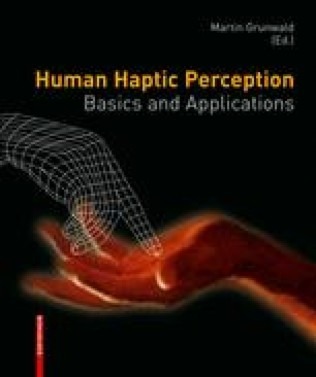
Human Haptic Perception : Basics and Applications
Active touch perception – also known as haptic perception – is of primary importance for the planning, direction and execution of everyday actions. This most complex of human sensory systems is gaining ever more importance for various scientific disciplines as well as practical industrial applications.In this book an international team of 80 authors presents a comprehensive collection of writings on both aspects of research on human haptic perception. After a theoretical and historical introduction, the chapters are dedicated to neurophysiological basics as well as the psychological, clinical and neuropsychological aspects of haptic perception. Results of studies into human haptic perception in the fields of virtual haptics and robotics are also included. In the final section, contributions from the applied and industrial sectors illustrate the practical uses of knowledge about the human sense of touch.

Human fungal diseases : Diagnostics, pathogenesis, drug resistance and therapeutics
Reviews the latest advancements in the fungal infections and their impact on human health. It presents epidemiology, diagnosis, pathogenesis, risk factors, virulence mechanisms, treatment, and strategies for the disease management and prevention of fungal infections. The book further reviews host-pathogen interactions, biofilm formation, and quorum sensing. It also covers the clinical manifestations, diagnostic approaches, and management strategies of opportunistic fungal infections, emerging fungal infections, and allergic fungal infections. It presents the latest advancements in diagnostic methods and therapeutic strategies, covering both conventional techniques and state-of-the-art approaches. Further, the book elucidates antifungal stewardship, nanotechnology, and omics technologies, providing insights into cutting-edge strategies for prevention, control, and management of multidrug-resistant fungi. This book is useful for researchers, students, and health professionals working in the fields of mycology, infectious diseases, immunology, dermatology, and pulmonology.

Human Exploitation and Biodiversity Conservation
The sustainable use of biodiversity is one of the three key objectives of the 1992 "Convention on Biological Diversity". To achieve this, sound conservation practice has to be recognized as beneficial and implemented by all who access, or use it – from subsistence farmers to skiers and pharmaceutical bioprospectors. At the same time, indigenous peoples necessarily utilize enormous numbers of plants, fungi, and fish, particularly for foods and medicines. This book gathers together a wide range of contributions addressing diverse aspects of front-line human involvement in biodiversity exploitation and conservation. Its scope is broad, the organisms explored ranging from birds, invertebrates and mammals – both terrestrial and aquatic – to crops and medicinal plants. Meanwhile, the issues addressed include land use changes, the importance of gardens, hedges and green lanes, housing developments, hunting, invasive species, local community involvement, sacred groves, socioeconomic factors and trade.
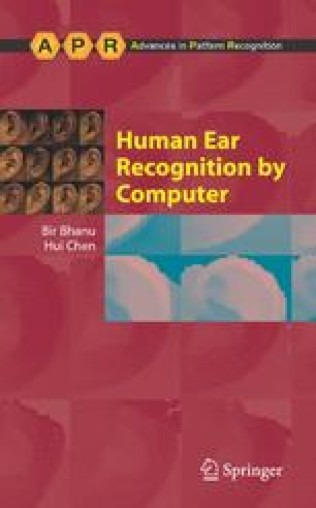
Human Ear Recognition by Computer
Human Ear Recognition by Computer is the first book on the automatic recognition of human ears. It presents an entire range of computational algorithms for recognition of humans by their ears. These algorithms have been tested and validated on the largest databases that are available today,This state-of-the-art research reference explores all aspects of 3D ear recognition, including representation, detection, recognition, indexing and performance prediction. It has been written for a professional audience of both researchers and practitioners within industry, and is also ideal as an informative text for graduate students in computer science and engineering.

Human Cell Culture ; Vol. VI : Embryonic Stem Cells
If you wish to grow or characterize embryonic stem cells or persuade them to differentiate into a particular cell type, then this book contains information that is vital to your success. The aim is to provide clear simple instructions and protocols for growing, maintaining and characterizing embryonic stem cells and details of the various methods used to make stem cells differentiate into specific cell types.

Human Biology
Accomplishes the goal of improving scientific literacy, while establishing a foundation of knowledge inhuman biology and physiology. It also integrates a tested, traditional learning system with modern digital and pedagogical approaches.

Human and Animal Relationships
Pathogenic fungi are widely distributed and can infect many organisms, particularly humans, but also other vertebrates and insects. Due to a growing number of fungal infections, there is an increasing need to understand the interaction of pathogenic fungi with their hosts. This second completely updated and revised edition of Volume VI of The Mycota consists of state of the art reviews written by experts in the field, covering three major areas of this rapidly developing field. In the first part the current understanding of pathogenic fungi and the physiological reactions relevant for the pathogen - host interaction are elucidated. The second part describes novel technologies for the identification of proteins, virulence factors and mechanisms central to the host - pathogen interaction. The third part deals with the characterization of the host response towards pathogenic fungi and addresses timely clinical aspects.

Hughes Syndrome : Antiphospholipid Syndrome
The second edition of Hughes Syndrome: Antiphospholipid Syndrome addresses the complete range of conditions produced by this common disorder which is also known as APS or "sticky blood" syndrome. APS is one of the main causes of strokes (40%), leg deep vein thrombosis, and recurrent miscarriages in women.

Hox Gene Expression
The study of Hox genes is crucial not only in exploring the enigma of homeosis but also in understanding normal development at the fundamental molecular level. "Hox Gene Expression" starts with the amazing discovery of the homeobox twenty-three years ago and follows the exciting path thereafter of a series of breakthroughs in Genetics, Development and Evolution. It deals with homeotic genes- their evolution, structure, normal and abnormal function. Researchers and graduate students in Biology and Medicine will benefit from this integrated overview of Hox gene activities.

How to Practice Academic Medicine and Publish from Developing Countries? : A Practical Guide
The book provides an overview of the state of research in developing countries – Africa, Latin America, and Asia (especially India) and why research and publications are important in these regions. It is written mainly by senior colleagues who have experienced and recognized the challenges with design, documentation, and publication of health research in the developing world. The book includes short chapters providing insight into planning research at the undergraduate or postgraduate level, issues related to research ethics, and conduct of clinical trials.

How to Organize Yourself : Simple Ways to Take Control, Save Time and Work More Efficiently
How to Organize Yourself will help you to dramatically improve the way you work. With great tips on how to determine your goals, prioritize your tasks and manage your time, it also includes practical advice on how to: focus on the things that produce results; overcome distractions; build positive work habits; avoid information overload and make effective use of technology.

How to Gain Gain : A Reference Book on Triodes in Audio Pre-Amps
The 17 chapters of How to Gain Gain give a detailed insight into a collection of the most common gain producing and constant current generating possibilities (28) of triodes for audio pre-amplifier purposes. These chapters also offer complete sets of formulae to calculate gain, frequency and phase responses of certain building blocks built-up with this type of vacuum valve (tube).
