



الصفحة 52
الصفحة 52

Anti-Money Laundering : A Practical Guide to Reducing Organizational Risk
Addresses the needs of the non-specialist compliance professional from a range of industries, backgrounds and experience Outlines the different elements of anti-money laundering (AML) practice to support compliance professionals at any stage of their career to put effective controls in place in their own organisations Presents readers with the global oversight needed to align activity to a cohesive plan, sharing case studies and examples of good and bad practice from around the world
Antimalarial natural products
Begins with a short history of malaria and follows with a summary of its biology. It then traces the fascinating history of the discovery of quinine for malaria treatment, and then describes quinine’s biosynthesis, its mechanism of action, and its clinical use, concluding with a discussion of synthetic antimalarial agents based on quinine’s structure. It also covers the discovery of artemisinin and its development as the source of the most effective current antimalarial drug, including summaries of its synthesis and biosynthesis, its mechanism of action, and its clinical use and resistance. A short discussion of other clinically used antimalarial natural products leads to a detailed treatment of additional natural products with significant antiplasmodial activity, classified by compound type.
Antifouling Paint Biocides
This volume describes the state-of-the-art advances regarding antifouling paint biocides and provides thorough evaluation of research and information on major topics such as occurrence and levels, environmental fate, analytical techniques and methods for the monitoring and control, environmental modeling, ecotoxicological effects and risk assessment placing emphasis on the knowledge acquired over the last 10 years. The contamination of the aquatic environment by antifouling compounds has been a topic of increasing importance during the last few years. The major classes of antifouling active biocides are discussed including the old-fashioned organotin compounds, the modern organic booster biocides and the promising naturally occurring antifoulant products. Therefore, the reader will get a balanced view of this developing field. Chapters were written by leading experts in their field who critically surveyed all the major areas of progress. This volume is an important resource and can constitute a good grounding in the field of antifouling paint biocides.

Antifouling Compounds
Increasing awareness of the deleterious effects of toxic components in antifouling coatings has raised interest in the potential for nontoxic alternatives. This book examines how marine organisms from bacteria to invertebrates and plants use chemicals to communicate and defend themselves. Chemicals that prevent colonisation of living surfaces are particularly pertinent to antifouling technology and may inspire new solutions. The challenge is to identify such compounds, identify the means for sustainable production and incorporate them into coatings to give long-term antifouling efficacy.
Antidiabetic medicinal plants and herbal treatments
Diabetes is a chronic condition associated with metabolic disorder. Persons suffering from diabetes have shown accelerated levels of blood sugar which often harms the heart, blood vessels, eyes, kidneys, and nerves. Over the past few decades, the prevalence of diabetes has been progressively increasing. Synthetic drugs are used to treat diabetic patients to help control the disorder, but it is shown that numerous medicinal plants and herbal drugs are widely used in several traditional systems of medicine to prevent and treat diabetes. They are reported to produce beneficial effects in combating diabetes and alleviating diabetes-related complications. These plants contain phtyonutrients and phytoconstituents demonstrating protective or disease preventive properties. In many developing countries, herbal drugs are recommended by traditional practitioners for diabetes treatment because the use of synthetic drugs is not affordable.

Anticoagulants and coronary artery disease
Blood thinners are medicines that help blood flow smoothly through your veins and arteries. There are two. The first is called anticoagulants (Warfarin, Heparin, Enoxaparin) and The second class of blood thinners is called antiplatelet (Aspirin, Ticagrelor , Clopidogrel). . Coronary arteries supply blood to the heart muscle. Coronary artery disorder or disease can have serious implications by reducing the flow of oxygen and nutrients to the heart muscle. This can lead to a heart attack and possibly death. Atherosclerosis. Medications to reduce the risk of blood clots, such as anticoagulants (including aspirin) and antiplatelet. , in particular aspirin, are effective in preventing platelet activation and thus thrombus formation and Clopidogrel is an inhibitor of platelet activation.

Anticoagulants
Anticoagulant are drugs that, when added to blood, prevents it from clotting. It does this by suppressing the synthesis or function of various clotting factors that are normally present in the blood. These drugs are frequently used to prevent the formation of blood clots (thrombi) in the veins or arteries or the enlargement of a clot that is circulating in the bloodstream. Anticoagulants are very effective in preventing life-threatening conditions...
Antibiotics as Anti-Inflammatory and Immunomodulatory Agents
Although the potential for immunomodulation has been recognized for many years there has been an explosion of data in this field with relevance especially to the treatment of chronic airway diseases. Most of the work in this field has been conducted by Japanese investigators but in the last decade there has been a body of work outside of Japan that supports and enhances these findings. The book covers basic research like effects on bacteria, anti-inflammatory and mucoregulatory effects, but also clinical results with up-to-date information for the use of such medications to potentially treat diseases as diverse as chronic airway diseases, arthritis, inflammatory bowel disease, and cancer.
Antibiotic pharmacokinetic : Pharmacodynamic considerations in the critically Ill
Provides unique insights into the issues that drive modified dosing regimens for antibiotics in the critically ill. Leading international authors provide their commentary alongside a summary of existing evidence on how to effectively dose antibiotics. Severe infection frequently necessitates admission to the intensive care unit (ICU). Equally, nosocomial sepsis often complicates the clinical course in ICU. Early, appropriate application of antibiotic therapy remains a cornerstone of effective management. However, this is challenging in the critical care environment, given the significant changes in patient physiology and organ function frequently encountered. Being cognisant of these factors, prescribers need to consider modified dosing regimens, not only to ensure adequate drug exposure, and therefore the greatest chance of clinical cure, but also to avoid encouraging drug resistance.

Antibacterial effects of Algae
An alarm increase in the rate of emerging of resistance bacteria have been causing a great public concern worldwide. This problem of increasing resistance has necessitated the search for safe and effective factors that may be used to treat persistent bacterial infections or modify the currently available antibiotic. This study deals with the antimicrobial potential assessment of ulva flexuosa , ulva flexuosa was collected from at MAZAR ELKHODER. Crude organic extracts were prepared using methanolic and chloroformic extract and tested against 6 indicator microorganisms using the disk diffusion method and also applied against biofilm ( dental plaque).

Antarctic ecosystems : Environmental contamination, climate change, and human impact
This volume provides an overview of climate change data, its effects on the structure and functioning of Antarctic ecosystems, and the occurrence and cycling of persistent contaminants. It discusses the unique physico-chemical characteristics of the Antarctic environment, ecophysiological adaptations of terrestrial and marine organisms, the transfer of contaminants in pelagic and neritic food chains and the possible consequences for animals at higher trophic levels.

Another side of drugs
Drug interactions remain an important consequence of pharmacologic intervention. It is clear that the pharmacologic response of a drug can be markedly influenced by concurrent administration of another therapeutic agent or food. These interactions may result in a decreased therapeutic effect or in an increase in the amount and extent of untoward reactions. Despite the well-described and real clinical consequences of certain drug interactions, this aspect of patient care often continues to be overlooked.
Annals of scientific society for assembly, handling and industrial robotics 2021
This proceedings presents a good overview of the current research landscape of assembly, handling and industrial robotics. The objective of MHI Colloquium is the successful networking at both academic and management level. Thereby, the colloquium focuses an academic exchange at a high level in order to distribute the obtained research results, to determine synergy effects and trends, to connect the actors in person and in conclusion, to strengthen the research field as well as the MHI community. In addition, there is the possibility to become acquatined with the organizing institute. Primary audience is formed by members of the scientific society for assembly, handling and industrial robotics (WGMHI).

Annals of scientific society for assembly, handling and industrial robotics
This proceedings presents a good overview of the current research landscape of industrial robots. The objective of MHI Colloquium is the successful networking at both academic and management level. Thereby, the colloquium focuses an academic exchange at a high level in order to distribute the obtained research results, to determine synergy effects and trends, to connect the actors in person and in conclusion, to strengthen the research field as well as the MHI community. In addition, there is the possibility to become acquatined with the organizing institute. Primary audience is formed by members of the scientific society for assembly, handling and industrial robotics (WGMHI).
Animating Unpredictable Effects : Nonlinearity in Hollywood’s R&D Complex
Uncanny computer-generated animations of splashing waves, billowing smoke clouds, and characters’ flowing hair have become a ubiquitous presence on screens of all types since the 1980s. This Open Access book charts the history of these digital moving images and the software tools that make them. Unpredictable Visual Effects uncovers an institutional and industrial history that saw media industries conducting more private R&D as Cold War federal funding began to wane in the late 1980s. In this context studios and media software companies took concepts used for studying and managing unpredictable systems like markets, weather, and fluids and turned them into tools for animation. Unpredictable Visual Effects theorizes how these animations are part of a paradigm of control evident across society, while at the same time exploring what they can teach us about the relationship between making and knowing.
Anesthesiology : New insights
Provides a comprehensive overview of current developments in anaesthesiology. The chapters : Solutions for Insufficient Epidural Analgesia for Planned Vaginal Birth and Interdisciplinary Emergencies in the Delivery Room, Anesthesia for Robotic Surgeries in Children, Anesthetic Management of Bronchoscopic Lung Volume Reduction, General Anaesthesia in the Context of Haemorrhagic Shock and Trauma, Anesthesiologic Management of Patients with Opioids or Psychoactive Substance Use, Fascial Plane Blocks, Considerations and New Perspectives of Locoregional Anesthesia in Dentistry, The Effect of Parental Anxiety on Postoperative Paediatric Cognitive Dysfunction.
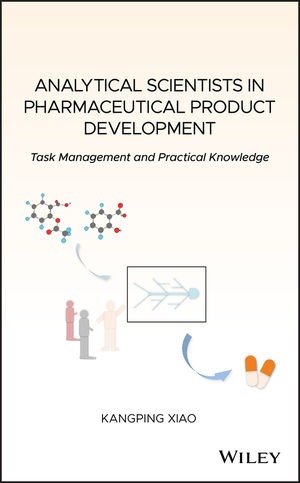
Analytical scientists in pharmaceutical product development : Task management and practical knowledge
Explains task management concepts and outlines practical knowledge to help pharmaceutical analytical scientists become productive and enhance their career. •Presents broad topics such as product development process, regulatory requirement, task and project management, innovation mindset, molecular recognition, separation science, degradation chemistry, and statistics. •Provokes thinking through figures, tables, and case studies to help understand how the various functions integrate and how analytical development can work efficiently and effectively by applying science and creativity in their work. •Discusses how to efficiently develop a fit-for-purpose HPLC method without screening dozens of columns, gradients, or mobile phase combinations each time, since the extra effort may not provide enough of a benefit to justify the cost and time in a fast-paced product development environment.
Analysis of variance for random models, Vol. 2 : Unbalanced data : Theory, methods, applications, and data analysis
Analysis of variance (ANOVA) models have become widely used tools and play a fundamental role in much of the application of statistics today. In particular, ANOVA models involving random effects have found widespread application to experimental design in a variety of fields requiring measurements of variance, including agriculture, biology, animal breeding, applied genetics, econometrics, quality control, medicine, engineering, and social sciences. This two-volume work is a comprehensive presentation of different methods and techniques for point estimation, interval estimation, and tests of hypotheses for linear models involving random effects. Both Bayesian and repeated sampling procedures are considered. Volume I examines models with balanced data (orthogonal models); Volume II studies models with unbalanced data (nonorthogonal models).
Analysis of failure in fiber polymer laminates : the theory of Alfred Puck
This book presents for the first time comprehensively the Theory of Alfred Puck on failure in Fiber Polymer Laminates. After a brief introduction into the failure analysis of laminates and its history, the text focuses first on Puck’s fracture criteria and gives detailed information on their physical background, mathematical derivation and application. Another core part of Puck’s Theory is his concept for Post Failure Analysis. Here, too, the physical background and the analytical procedure are presented. The theoretical chapters are completed by the presentation of the latest developments, namely the consideration of residual stresses and probabilistic effects. The second main part of the book deals with the extensive experimental verification program which has been accomplished since the mid 1990’s. As a result of this work, the Puck Theory can be regarded as better verified than any other theory. All experimental set ups and the major results are presented and explained.
Analysis file of drug-induced lung injury : expert opinion for analysis of big data
Describes the pathologic conditions of drug-induced lung injuries, monitoring strategies, and guides on how to interpret the evidence. It also dives into particular drugs that caused the disorder, such as EGFR inhibitors, anti-EGFR antibodies, mTOR inhibitors, proteasome inhibitors, immune checkpoint inhibitors, neoangiogenesis inhibitors, and other molecular targeted drugs. It outlines the analysis and interpretation of the post-marketing survey on surveillance of each drug for inducing pulmonary lesions presenting diffuse haziness. The data and analysis from this survey are valuable since a guideline is yet to be established due to limited clinical evidence and cases. As new drugs are developed, establishing treatment and event management is crucial.
