



الصفحة 5
الصفحة 5

Dioxygen Binding and Sensing Proteins : A Tribute to Beatrice and Jonathan Wittenberg
Following their own brilliant careers in haeme protein research, the outstanding scientists Jonathan and Beatrice Wittenberg continue to provide inspiration to the research community in the study of oxygen-binding proteins. Their research has provided the intellectual stimulus to bring together scientists from all over the world with the common goal of developing fascinating new ideas and performing innovative experiments.This book is dedicated to Jonathan’s and Bea’s lifetime careers. It further illuminates the facts and ideas which dot the paths they traced in Biochemistry and Physiology, elaborating on how these landmark achievements were made and how the haeme proteins community still refers to them. With the field of haeme protein science such a flourishing area, the contributors to this book predict Jonathan and Bea, having played such a seminal role, will continue to be key figures for quite some time to come.

Development of trans-free lipid systems and their use in food products
Encompasses the work of leading researchers discussing, from a scientific and technological perspective, the latest and most innovative approaches to structure edible oils without the use of trans fats. Additionally, the authors discuss practical uses and technical limitations associated with the use of "structured edible oils" in different food systems. Appealing to researchers and professionals working in lipid science, food chemistry and fat metabolism, it fills the gap in the literature for a book in this fast-changing field.

Dangerous Pollutants (Xenobiotics) in Urban Water Cycle
The book focused on evaluation of impact of xenobiotics in the whole Urban Water Cycle are an interdisciplinary task which has a rising concern these days. Xenobiotics includes both inorganic elements like heavy metals, metalloids and man-made organic compounds such as pesticides, surfactants, solvents, fragrances, flavours, and pharmaceuticals as well as endocrine dis- pters.

Cytochrome P450 : Structure, Mechanism, and Biochemistry
In this newest edition, we find that the newest discussion of P450 structure includes information of bacterial (soluble) P450s interwoven with that of eukaryotic (membrane bound) of this superfamily, highlighting the newest developments in this area. The complete battery of human P450s is now known and summarized in the new edition. In addition, general overviews of plant P450s and those from microbes contained within this newest edition provide a broader view of P450 diversity than seen in earlier editions. Each of these three editions should be on bookshelves of laboratories studying P450s. The third edition of Cytochrome P450: Structure, Mechanism, and Biochemistry provides an opportunity to judge progress in many key areas of P450 research while at the same time learn of new directions in the field. It is an excellent and most useful volume.

Cyclized Helical Peptides : Synthesis, Properties and Therapeutic Applications
Constraint helical peptides have emerged as a solution to target previously undruggable protein-protein interactions, which feature large and complex surfaces. Cyclized Helical Peptides: Synthesis, Properties and Therapeutic Applications offers a review of the most current methodologies of constructing constrained helices. The authors noted experts on the topic include the information on the fundamental features of cyclized helical peptides and discuss their limitations. The book summarizes and explores the effects of chemical methods constructing helical peptides on helicity, binding affinity, cell penetration, and nonspecific toxicity

Current Developments in Bioerosion
The book opens with papers on the evolutionary significance of bioerosion, and subsequently ventures out to explore the remarkable diversity of bioerosive biota. From microboring bacteria to grazing echinoids, the studies use a variety of techniques ranging from field observations to sophisticated micro-computed tomography to investigate the ecological and environmental role of these organisms, including symbiotic interactions and alteration of non-carbonate substrates.

Creative Chemical Sensor Systems
Schrader has compiled an excellent set of articles that present a current snapshot of chemical sensing utilizing state-of-the-art approaches ranging from combinatorial receptor libraries to artificial membrane pores. This volume is an excellent read for the budding and seasoned bioorganic chemist, chemical biologist, or supramolecular chemist as well as for those in allied fields who wish to apply emerging chemical techniques to solve current problems in chemical sensing.This book provides an overview of recent creative new approaches which use chemical means of detection and quantification of important analytes. Creative chemical sensor systems is a rapidly growing subject.
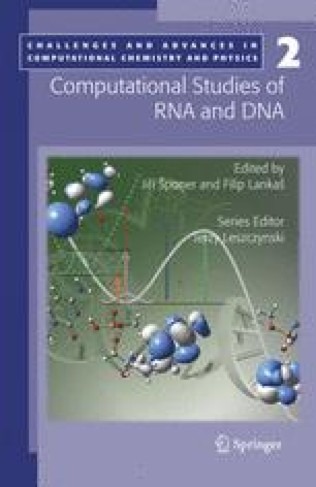
Computational studies of RNA and DNA
Computational Studies of RNA and DNA includes, in an integrated way, modern computational studies of nucleic acids, ranging from advanced electronic structure quantum chemical calculations through explicit solvent molecular dynamics (MD) simulations up to mesoscopic modelling, with the main focus given to the MD field. It gives an equal emphasis to the leading methods and applications while successes as well as pitfalls of the computational techniques are discussed.The systems and problems studied include: Accurate calculations of base pairing energies / Electronic properties of nucleic acids and electron transfer, through various types of nucleic acid / Calculating DNA elasticity

Computational methods for protein structure prediction and modeling ; Vol.1 : Basic Characterization
Volume one of this two volume sequence focuses on the basic characterization of known protein structures as well as structure prediction from protein sequence information. The 11 chapters provide an overview of the field, covering key topics in modeling, force fields, classification, computational methods, and struture prediction.

Collagen : Primer in Structure, Processing and Assembly
This volume of Topics in Current Chemistry is an attempt to update and compile the biochemical, molecular knowledge of the still growing family of collagenous proteins. Its intention is to provide a comprehensive summary of all mechanisms known to be involved in synthesis, processing and deposition of collagen molecules, all of which are apparently shared by any known collagen type as part of a common biosynthetic route. From the intracellular initiation of protein translation to the extracellular deposition of mature molecules into the scaffold of the preformed tissue texture, collagen biosynthesis exhibits a profile of mechanisms absolutely unique when compared to other proteins

Mathematical Modeling of Biological Systems ; Vol. I : Cellular Biophysics, Regulatory Networks, Development, Biomedicine, and Data Analysis
This two-volume, interdisciplinary work is a unified presentation of a broad range of state-of-the-art topics in the rapidly growing field of mathematical modeling in the biological sciences. Highlighted throughout both works are mathematical and computational approaches to examine central problems in the life sciences, ranging from the organizational principles of individual cells to the dynamics of large populations.
Marine Biotechnology I
Oceans, which occupy up to two thirds of the surface of our planet, were not really approached from scientific point of view until the second half of the 19th century and even the 20th with regard to microbial and unicellular life. Today, the importance of marine biodiversity has been fully recognized. It is, indeed, one of the aspects which, over the two past decades, have made a major contribution to our knowledge and vision of the living planetThis volume of Advances in Biochemical Engineering/Biotechnology illustrates several topics in line with the following broad objectives: thinking ofmarine biotechnology as the controlled production and use of marine organisms and molecules for useful purposes, firstly by exploring aspects of marine biodiversity and exploitation of biomass, then considering the identification, production and processing of marine products.
Magnetic Resonance of Myelination and Myelin Disorders
The book has been extensively revised and expanded to do justice to the rapid advances in MR technology, molecular biochemistry, and genetics and the discovery of new disease entities with prominent white matter involvement. Forty chapters have been added, and the number of illustrations has risen considerably. The ability to confirm the presence of genetic alterations in a number of disorders allows more advantageous presentation of the phenotypic variation as expressed in differ.
Low Molecular Mass Gelators : Design, Self-Assembly, Function
Chapter 1 presents the physical principles of the growth mechanism of fiber and fiber network with LMGs, as treated on the basis of the heterogeneous nucleation model. in Chaps. 2 and 3, respectively. These chapters are intended to outline useful synthetic guidelines for the generation of an ever-increasing variety of molecular architectures within these two families of gelators. Recent developments in the chemistry of nucleobase-containing LMGs are described in Chap. 4. Hydrogen-bonding within these molecular systems involves complementary base pair formation, a process relevant to DNA double-helix formation The self-assembly of chiral organo- or hydrogelators is the subject of Chap. 5. result from the orthogonal self-assembly of liquid crystals and LMGs are presented in Chap. 6. The volume concludes with Chap. 7, a review of the emerging field of dendritic gels.

Lippincott illustrated reviews : Biochemistry ; 8th ed.
Biochemistry is the study of how our bodies utilize the nutritional substances in our diet to make building blocks, fuels, and communication molecules for our cells. It also includes the processes by which we convert chemicals within our bodies and eliminate chemicals from our bodies
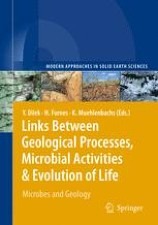
Links between geological processes, microbial activities & evolution of life : Microbes and geology
Microbial activities influence water-rock interaction processes and chemical transport between the major geochemical reservoirs and the formation/transformation of minerals and rocks, whereas geological processes and geochemical controls influence the microbial ecology in extreme environments. How biological activity influences geological processes and what role these processes played in the geological evolution of the Earth are fundamental questions.
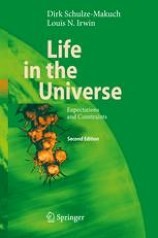
Life in the Universe : Expectations and Constraints
Energy, chemistry, solvents, and habitats -- the basic elements of living systems - define the opportunities and limitations for life on other worlds. This class-tested text examines each of these parameters in crucial depth and makes the argument that life forms we would recognize may be more common in our solar system than many assume. It also considers, however, exotic forms of life that would not have to rely on carbon as basic chemical element, solar energy as a main energy source, or water as primary solvent. Finally the question of detecting bio- and geosignature of such life forms is discussed, ranging from Earth environments to deep space. While speculative considerations in this emerging field of science cannot be avoided, the authors have tried to present their study with the breadth and seriousness that a scientific approach to this issue requires. They seek an operational definition of life and investigate the realm of possibilities that nature offers to realize this very special state of matter and avoid scientific jargon wherever possible to make this intrinsically interdisciplinary subject understandable to a broad range of readers.
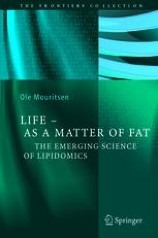
Life - As a Matter of Fat : The Emerging Science of Lipidomics
Lipids are as important for life as proteins, sugars, and genes. The present book gives a multi-disciplinary perspective on the physics of life and the particular role played by lipids and the lipid-bilayer component of cell membranes. The book is aimed at undergraduate students and young research workers within physics, chemistry, biochemistry, molecular biology, nutrition, as well as pharmaceutical and biomedical sciences. The emphasis is on the physical properties of lipid membranes seen as soft and molecularly structured interfaces. By combining and synthesizing insights obtained from a variety of recent studies, an attempt is made to clarify what membrane structure is and how it can be quantitatively described. Furthermore, it is shown how biological function mediated by membranes is controlled by lipid membrane structure and organization on length scales ranging from the size of the individual molecule, across molecular assemblies of proteins and lipid domains in the range of nanometers, to the size of whole cells. Applications of lipids in nano-technology and biomedicine are also described.
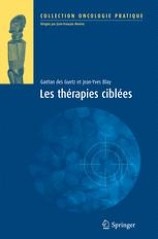
Les thérapies ciblées = Targeted therapies
We are at the start of the development of new therapeutic classes, directed against new molecular targets (EGFR, VEGF, IGFR, Rank, etc.) Several diseases such as kidney, colon or breast cancer, GIST, have a natural history now modified thanks to these therapies. This practical book takes stock of the current use of these molecules.
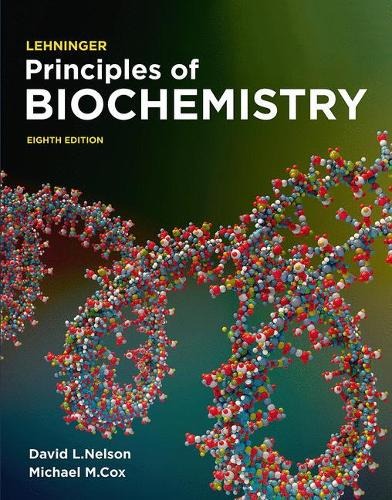
Lehninger Principles of Biochemistry
Help students navigate the complex discipline of biochemistry with a clear and coherent presentation. Renowned authors David Nelson, Michael Cox, and new co-author Aaron Hoskins have focused this eighth edition around the fundamental principles to help students understand and navigate the most important aspects of biochemistry. Text features and digital resources in the new Achieve platform emphasize this focus on the principles, while coverage of recent discoveries and the most up-to-date research provide fascinating context for learning the dynamic discipline of biochemistry.
