



الصفحة 45
الصفحة 45

Machine learning for biomedical application
Biomedicine is a multidisciplinary branch of medical science that consists of many scientific disciplines, e.g., biology, biotechnology, bioinformatics, and genetics; moreover, it covers various medical specialties. In recent years, this field of science has developed rapidly. This means that a large amount of data has been generated, due to (among other reasons) the processing, analysis, and recognition of a wide range of biomedical signals and images obtained through increasingly advanced medical imaging devices. The analysis of these data requires the use of advanced IT methods, which include those related to the use of artificial intelligence, and in particular machine learning. It is a summary of the Special Issue “Machine Learning for Biomedical Application”, briefly outlining selected applications of machine learning in the processing, analysis, and recognition of biomedical data, mostly regarding biosignals and medical images.

Machine Learning Approaches in Cyber Security Analytics
Introduces various machine learning methods for cyber security analytics. With an overwhelming amount of data being generated and transferred over various networks, monitoring everything that is exchanged and identifying potential cyber threats and attacks poses a serious challenge for cyber experts. Further, as cyber attacks become more frequent and sophisticated, there is a requirement for machines to predict, detect, and identify them more rapidly. Machine learning offers various tools and techniques to automate and quickly predict, detect, and identify cyber attacks.
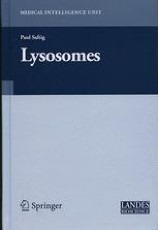
Lysosomes
This book summarizes the current state-of-the art knowledge about this unique organelle. It addresses the biogenesis of this compartment, the transport of lysosomal proteins, the role of the lysosomal membrane in lysosomal stability and transport, the function of lysosomal proteases and hydrolases, lysosomal storage disorders, and new concepts on how to treat these diseases.
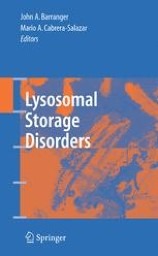
Lysosomal Storage Disorders
This book is dedicated to patients affected by Lysosomal Storage Disorders, and especially to the National Gaucher Foundation (USA) and the Colombian Association of Patients with Lysosomal Storage Diseases (ACOPEL for its Spanish Acronym). Both organizations will share in the sales of this book.
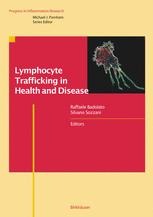
Lymphocyte Trafficking in Health and Disease
Since the discovery of chemokines and of chemokine receptors it has become evident that expression of chemokines at the site of inflammation may regulate the composition of cellular infiltrate, thereby directing the type of immune response. Recently, the molecular characterization of inherited disorders of immune system, (e.g., Wiskott-Aldrich syndrome, WHIM syndrome, leukocyte adhesion deficiency), which are characterized by cytoskeleton/adhesion defects or by altered response of chemokine receptors has contributed to clarifying the key players of immune response in normal physiology and in disease. This book, which deals with the description of the role of chemokines in immune response and underlines potential targets of therapeutical intervention, offers a series of contributions of the most challenging aspects of lymphocyte migration in homeostasis and in disease.
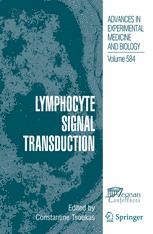
Lymphocyte Signal Transduction
Signal transduction through leukocyte receptors involves a variety of signaling molecules including kinases, phosphatases, adaptor proteins, small GTPases GTP exchange factors, membrane phospholipids as well as others. These signal transducers, regulated by inter- and intra-molecular interactions, as well as by various post-translational modifications, lead to the activation of transcription factors that mediate cellular differentiation and growth, effector cell functions, and apoptotic cell death. Several investigators from various parts of the world convened at the 3rd Lymphocyte Signal Transduction Workshop in Crete, Greece from May 27 to June 1, 2005 to discuss their most recent findings in leukocyte signaling. This volume represents a collection of topics discussed during the conference.
Low-Dose Radiation Effects on Animals and Ecosystems : Long-Term Study on the Fukushima Nuclear Accident
Brings together the works of radiation biologists and ecologists to provide reliable radioecology data and gives insight into future radioprotection. The book examines the environmental pollution and radiation exposure, and contains valuable data from abandoned livestock in the ex-evacuation zone and from wild animals including invertebrates and vertebrates, aqueous and terrestrial animals, and plants that are subjected to long-term exposure in the area still affected by radiation. It also analyzes dose evaluation, and offers new perspectives gained from the accident, as well as an overview for future studies to promote radioprotection of humans and the ecosystem.
Low-cost methods for molecular characterization of mutant plants : Tissue desiccation, DNA extraction and mutation discovery : Protocols
Offers low-cost and rapid molecular assays for the characterization of mutant plant germplasm. Detailed protocols are provided for the desiccation of plant tissues; the extraction of high-quality DNA for downstream applications; the extraction of single-strand-specific nucleases for single nucleotide polymorphism; and small insertion/deletion discovery using standard agarose gel electrophoresis. The methods described can be applied in any laboratory equipped for basic molecular biology and do away with the need for expensive freezers and toxic organic compounds.

Lotus japonicus Handbook
Represents the first effort to compile basic descriptions and methods for research in Lotus, including symbiotic processes, cell and molecular biology protocols, functional genomics, mutants, gene tagging and genetic analysis, transformation and reverse genetic analysis, primary and secondary metabolism, and an exhaustive update of the scientific literature available on this plant.

Long-term limnological research and monitoring at Crater Lake, Oregon : A benchmark study of a deep and exceptionally clear montane caldera lake
Crater Lake is located in the caldera of Mount Mazama in Crater Lake National Park, Oregon. The lake has a surface area of about 53 km2 at an elevation of 1882 m and a maximum depth of 594 m – seventh deepest in the world. This special volume represents our current state of knowledge of the status of this pristine ecosystem including its special optical properties, algal nutrient limitations, pelagic bacteria, and models of the inter-relationships of thermal properties, nutrients, phytoplankton, deep-water mixing, and water budgets.
Long-Term Ecosystem Changes in Riparian Forests
Presents and analyzes the results of more than 30 years of long-term ecological research in riparian forest ecosystems with the aim of casting light on changes in the dynamics of riparian forests over time.
Longevity and Frailty
Contained in this book are the outcome of a colloquium sponsored by Fondation IPSEN in which interdisciplinary perspectives were brought to bear on conceptual, empirical and clinical aspects of this relationship. The result is a unique, innovative and timely blend of papers on topics ranging from frailty concepts in animal models and early Homo sapiens, to documentation of progress in morbidity compression, on the relationships between frailty and impairments and inflammation, and perspectives on long-term health care needs in an aging world.
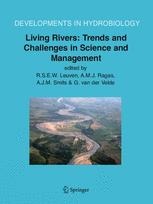
Living Rivers : Trends and Challenges in Science and Management
All over the world, sustainable river basin management is a leading principle of policy plans and legal instruments for water management (e.g. the European Water Framework Directive). The evidence, however, to underpin the full scope of sustainability is rather scanty. In this book an integrative perspective on trends and challenges in river science and management is demonstrated. The three pillars underneath sustainable water management, ecology, economy and sociology, are elaborated by experts in their fields. A number of papers integrate the current knowledge on the structure, functioning and management of ‘living rivers’. The book includes data and experiences concerning the rivers Allier, Meuse, Rhine, Sava and Tagliamento in Europe and the river Illinois in the USA. Sustainable river basin management asks for un-orthodox rehabilitation programmes and ecosystem based and transboundary management approaches.
Liver and Pancreatic Diseases Management
New therapeutical approaches, advances in oncology and in diagnostic imaging, which reduce the need for invasive techniques and reach an improvement in survival and quality of life in cancer, are considered in this book. Modern literature has been reviewed with special reference to articles of general interest. In the clinical management of patients with liver, bile duct and pancreas diseases, it is important to assess the degree of disturbance and to diagnose the causative insult, and therefore clinical and laboratory methods of assessing each of these pathologies are of high interest. This version is an up-to-date account of diseases of the liver, biliary tract and pancreas, including transplantation, which we trust will be of value for surgeons, physicians and pathologists and also a reference book for medical students.
Literature-based Discovery
When Don Swanson hypothesized a connection between Raynaud’s phenomenon and dietary fish oil, the field of literature-based discovery (LBD) was born. During the subsequent two decades a steady stream of researchers have published articles about LBD and the field has made steady progress in laying foundations and creating an identity. LBD is an inherently multi-disciplinary enterprise where collaborations between the information and biomedical sciences are readily encountered. It is the hope and intention that this volume will plant a flag in the ground and inspire new researchers to the LBD challenge.
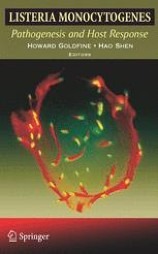
Listeria Monocytogenes : Pathogenesis and Host Response
This comprehensive volume, written by experts in the field, includes concise and timely reviews of Listeria monocytogenes, one of the most intensively studied bacterial pathogens. Listeria monocytogenes is the cause of listeriosis, a potentially fatal disease that arises from the consumption of contaminated food. During the past two decades, studies of this organism have uncovered a wealth of information on its virulence factors, its genome organization, and its interactions with host cells and the immune system.
Liquid Culture Systems for in vitro Plant Propagation
High-efficiency micropropagation, with relatively low labour costs, has been demonstrated in this unique book detailing liquid media systems for plant tissue culture. World authorities contribute seminal papers together with papers from researchers across Europe This book is essential reading for all those in commercial micropropagation labs, as well as researchers worldwide who are keen to improve propagation techniques and lower economic costs of production.
Lipids in Health and Disease
Lipids are functionally versatile molecules. They have evolved from relatively simple hydrocarbons that serve as depot storages of metabolites and barriers to the permeation of solutes into complex compounds that perform a variety of signalling functions in higher organisms. This volume is devoted to the polar lipids and their constituents. We have omitted the neutral lipids like fats and oils because their function is generally to act as deposits of metabolizable substrates. The sterols are also outside the scope of the present volume and the reader is referred to volume 28 of this series which is the subject of cholesterol. The polar lipids are comprised of fatty acids attached to either glycerol or sphingosine. The fatty acids themselves constitute an important reservoir of substrates for conversion into families of signalling and modulating molecules including the eicosanoids amongst which are the prostaglandins, thromboxanes and leucotrienes. The way fatty acid metabolism is regulated in the liver and how fatty acids are desaturated are subjects considered in the first part of this volume. This section also deals with the modulation of protein function and inflammation by unsaturated fatty acids and their derivatives. New insights into the role of fatty acid synthesis and eicosenoid function in tumour progression and metastasis are presented.
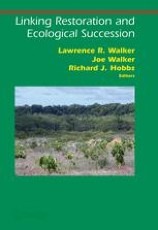
Linking Restoration and Ecological Succession
Recognizes the critical roles of disturbance ecology, landscape ecology, ecological assembly, invasion biology, ecosystem health, and historical ecology in habitat restoration and argues that restoration within a successional context will best utilize the lessons from each of these disciplines.

Limnology and Aquatic Birds ; Proceedings of the Fourth Conference Working Group on Aquatic Birds of Societas Internationalis Limnologiae (SIL), Sackville, New Brunswick, Canada, August 3-7, 2003
The importance of habitat conservation for the protection of birds has become widely acknowledged and accepted by natural resource managers and the general public. Papers presented in this volume further our understanding of the important role that limnology has in determining habitat suitability for waterbirds. Long-term population monitoring of waterbirds is an important tool in our quest to understand the role waterbirds play in their environment. Continued population declines of many species of aquatic birds indicate the need for additional understanding of how human activities negatively impact water quality and bird populations and what mitigative actions can be taken. The main objective of the Working Group on Aquatic Birds of the International Limnological Society (SIL) is to integrate waterbirds into hydrobiology and treat waterbird studies in a limnological context. To achieve this goal, the Working Group organizes conferences to facilitate communications among limnologists interested in aquatic birds and ornithologists interested in the aquatic habitat. The efforts of the SIL Working Group on aquatic birds has resulted in a new emphasis on the links between aquatic birds and their environment
