



الصفحة 4
الصفحة 4

Clinical laboratory finding in COVID-19: Diagnosis and prognosis
Coronaviruses belong to a family of viruses that comes under the order “Nidovirales”. This order includes the viruses that use a nested set of mRNAs for their replication. Further, the coronavirus sub-family has four genera (alpha, beta, gamma, and delta coronaviruses). The coronaviruses infecting humans (HCoVs) belong to two of these genera (alpha coronaviruses and beta coronaviruses).
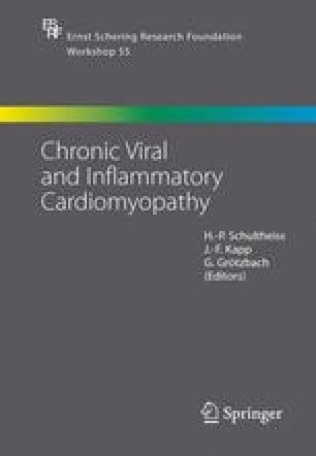
Chronic Viral and Inflammatory Cardiomyopathy
This publication constitutes the outcome of an ESRF meeting held together with the German Research Foundation. Clinical researchers, immunologists, virologists and molecular biologists provide the latest findings in their fields, advancing our understanding of what causes chronic viral and inflammatory cardiomyopathy, why it affects a subset of individuals while sparing the majority, how we can develop better therapies, and whether the disease can be prevented. Special emphasis is placed on the role of viruses in the aetiology and pathogenesis of cardiomyopathy.
Chitosan-based nanocomposite materials : fabrication, characterization and biomedical applications
Discovery in the use of chitosan-based nanocomposites in biomedical applications, including the scope to which these novel materials have been incorporated by the community. It provides an exceptional insight into the strategies for the synthesis and chemical modifications of chitosan, characterization techniques, their use as anticancer agents, antimicrobial, antiviral, and antifungal agents, their role in the biomedical field, and applications in drug delivery, gene therapy, dentistry, orthopedics, etc. This book will also emphasize the challenges with previous signs of progress and way for further research, details relating to the current pioneering technology, and future perspectives with a multidisciplinary approach. Furthermore, it presents up-to-date information on the economics, toxicity, and regulations related to these novel materials.
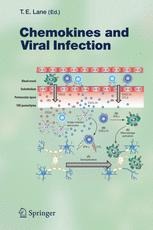
Chemokines and Viral Infection
This edition of Current Topics in Microbiology and Immunology examines the role of chemokines and chemokine receptors in host defense and disease development following viral infection. Chemokines represent a family of over 40 small proteins that, for the most part, are secreted into the environment and function by binding to G protein-coupled receptors (GPCRs) that are expressed on numerous different cell types. When initially identified close to 30 years ago, these molecules were associated with various human inflammatory diseases and it was recognized that expression may be integral in leukocyte recruitment to inflamed tissue. There are now four sub-families of chemokines identified based on defined structural criteria relating to the positional location of conserved cysteine residues within the amino-terminus of the protein. Chemokines are now recognized as important in numerous biological processes ranging from maintaining the organizational integrity of secondary lymphoid tissue to participating in various aspects of both innate and adaptive immune responses following microbial infection. With this in mind, this book highlights the functional roles of chemokines and their receptors in participating in various aspects of the immune response against well-known viral pathogens.
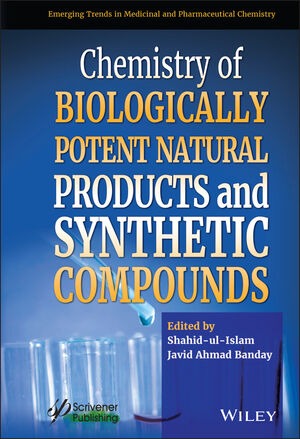
Chemistry of Biologically Potent Natural Products and Synthetic Compounds
Several novel natural product derivatives, heterocyclic and other synthetic compounds, have been reported to have shown interesting biological activities including anticancer, antimicrobial, anti-inflammatory, anti-glycemic, anti-allergy and antiviral etc. Provides up-to-date information on new developments and most recent medicinal applications of the natural products and derivatives, as well as the chemistry and synthesis of heterocyclic and other related compounds.
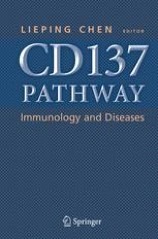
CD137 Pathway : Immunology and Diseases
This comprehensive volume, written by experts in the field, covers nearly all aspects of ongoing research related to the CD137 pathway. Recent research has shown that the manipulation of CD137 pathway molecules is very promising in the treatment of cancer, viral infection, transplantation rejection and autoimmune diseases in experimental animal models. The volume includes research related to the identification and understanding of functional consequences of CD137 receptor and ligand molecules which represents a major effort in the field of immunology. CD137 Pathway: Immunology and Diseases is an ideal book for immunologists, microbiologists, cancer researchers, molecular biologists, biochemists, and pharmaceutical and biotechnology company scientists.
Cardiovascular Disease in AIDS
In this new edition of Cardiovascular Disease in AIDS new insights coming from basic and clinical research in the field of HIV-associated cardiovascular disease and antiretroviral therapy are reported, along with the clinical guidelines for a careful stratification of the cardiovascular risk and cardiovascular monitoring of HIV-infected patients receiving HAART. The authors offer a wide overview of the topic for specialists in cardiology and infectious diseases involved in the clinical management of HIV-infected patients.
Biopharmaceutical manufacturing progress, trends and challenges
Source of the latest innovative research and technical development in biomanufacturing systems. It is organised into 2 parts: 1) Manufacturing of recombinant therapeutic proteins (e.g. therapeutic antibodies, biosimilars/biogenerics) and 2) Manufacturing aspects of cell and gene therapy. Each with selected chapters on the following topics for both up- and downstream, such as: Advanced process strategies, especially continuous manufacturing, Advanced culture techniques, especially single-use systems, Process transfer, scale-up/scale-down models, Processing advances/Manufacturing productivity/efficiency, Model-assisted process understanding and development/Digital Twins, Process controls and analytics, Quality control, Quality by design, Facility design and full-scale commercial systems, manufacturing technology innovation.
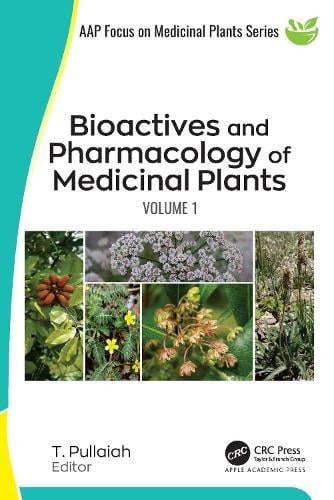
Bioactives and pharmacology of medicinal plants : Vol.1
Bioctives and Pharmacology of Medicinal Plants, concisely presents an abundance of important information on the bioactive and pharmacological properties of medicinal plants. It provides valuable comprehensive research and studies on bioactive phytocompounds of over 68 important medicinal plants with beneficial properties. For each species included in the volume, a brief introduction is given along with their bioactive compounds and chemical structures, followed by their chief pharmacological activities that include antiviral, antimicrobial, antioxidant, anti-cancer, anti-inflammatory, antidiabetic, hepatoprotective, nephroprotective, and cardioprotective activities. A review of the published literature on pharmacological activities on each species is included also, providing a thorough resource on each of the plants covered in the volume.
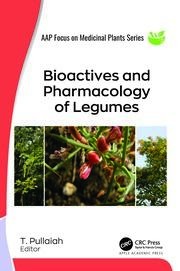
Bioactives and pharmacology of Legumes
A variety of bioactives and therapeutics from the legume family (Fabaceae or Leguminosae) are thoroughly detailed. For each species included in the volume, a brief introduction is given, the plant’s bioactive compounds are listed, and its chemical structures shown, followed by their pharmacological activities. Many of these plants have medicinal activities that include antiviral, antimicrobial, antioxidant, anticancer, anti-inflammatory, and antidiabetic, hepatoprotective, nephroprotective and cardioprotective. The biochemical characteristics of the 37 plants included, such as the type of starch, protein, and fibers, can be exploited as binders, excipients, thickeners, and dispersants in the formulation of various products in the pharmaceutical industry. The published literature on the pharmacological activities on each species is reviewed and presented in a concise and clear manner.
Basiswissen pharmakologie = Basic knowledge of pharmacology
Offers a clear and concise overview of all exam-relevant pharmacology content. It guides you through the entire foundational knowledge, from the basics to the most important clinical pictures, in an easily understandable way and aligned with the German National Competency-Based Learning Objectives for Medicine (GK) and National Competency-Based Learning Objectives for Medicine (NKLM). Benefit from the lecturer's many years of experience, who has carefully selected and presented the essential information for you.
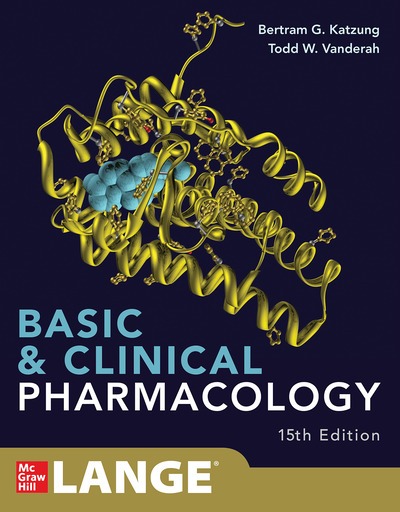
Basic & Clinical Pharmacology
Covers the important concepts students need to know about the science of pharmacology and its application to clinical practice. This edition has been extensively updated to provide expanded coverage of transporters, pharmacogenomics, and new drugs Delivers the knowledge and insight needed to excel in every facet of pharmacology!. Encompasses all aspects of medical pharmacology, including botanicals and over-the-counter drugs Major revisions of the chapters on immunopharmacology, antiseizure, antipsychotic, antidepressant, antidiabetic, anti-inflammatory, and antiviral drugs, prostaglandins, and central nervous system neurotransmitters New chapter on the increasingly relevant topic of cannabis pharmacology Each chapter opens with a case study, covers drug groups and prototypes, and closes with summary tables and diagrams that encapsulate important information Revised full-color illustrations provide more information about drug mechanisms and effects and help clarify important concepts Trade Name/Generic Name tables are provided at end of each chapter for easy reference when writing a chart order or prescription Includes descriptions of important new drugs released through May 2019 New and updated coverage of general concepts relating to recently discovered receptors, receptor mechanisms, and drug transporters
Baculovirus : Methods and protocols
Provides up-to-date guidance on techniques used to work with baculoviruses and insect cells. The book provides basic methods to create recombinant baculoviruses, to improve productivity, to produce a variety of products, to purify products, to quantify baculovirus stocks or to quantify product produced, and it concludes with alternative uses of either baculovirus or insect cells as tools. Written for the highly successful Methods in Molecular Biology series, chapters include introductions to their respective topics, lists of the necessary materials and reagents, step-by-step and readily reproducible laboratory protocols, and tips on troubleshooting and avoiding known pitfalls.

Bacteriophage therapy : a potential solution for antibiotic resistance crisis
For many years, humans have been fighting with bacteria, in a matter of fact, bacteria have been winning for the last decade, becoming resistant to every weapon we have; The antibiotics. In order to win the fight humans had to think of alternative ways, like viruses. There is a special type of viruses that have been in a war with bacteria for millenniums, Bacteriophages. Bacteriophages (or phages), the most abundant viral entity of the planet. On the basis of their unique characteristics and anti-bacterial property, phages are being the freshly evaluated taxonomically. Phages replicate inside the host either by lytic or lysogenic mode after infecting and using the cellular machinery of a bacterium. Phage became an important agent for combating pathogenic bacteria in clinical treatments and its related research gained momentum. However, due to recent rise of bacterial resistance on antibiotics, applications of phage (phage therapy) become an unavoidable option of research. In this dissertation, the advantage and limitations of Bacteriophages for use in humans will be discussed. Furthermore, this dissertation deals with recent development of its application in the areas of biotechnology.
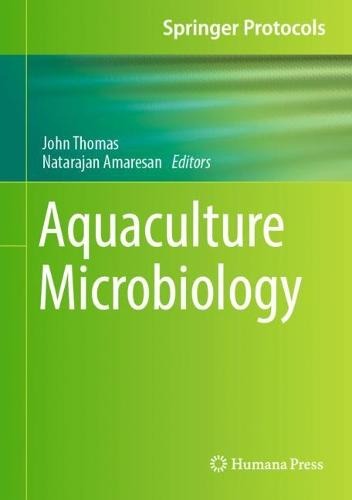
Aquaculture microbiology
Details techniques involved to study aquatic pathogens that cause infections, especially in fish. Chapters guide readers through a wide range of basic and advanced methods, viral and fungal pathogens, probiotic bacteria, treatment of pathogens using seaweed extract, medicinal plant extracts, and actinomycetes.
Anti-viral metabolites from medicinal plants
Covers general concepts of anti-viral metabolites, classifications, ethnopharmacology, chemistry, clinical and preclinical studies focusing on different medicinal plants against various types of viral infections. Various plants have been used in medicine since ancient times and are known for their strong therapeutic effects. The book will describe potential antiviral properties of medicinal plants against a diverse group of viruses, and provide an insight to the potential plants possess for broad-spectrum antiviral effects against emerging viral infections.The book aims to target a broad audience including virologists, molecular biologist, microbiologist and scientists working with natural products as well as researchers, students, healthcare experts involved in pharmaceutical and medical field.
Antiviral drug discovery and development
Summarizes antiviral drug design and discovery approaches Provides the latest update in the field of antiviral therapeutics Includes antiviral research of coronaviruses

Antimicrobial Resistance and Implications for the Twenty-First Century
This new volume of the Emerging Infectious Diseases of the 21st Century series is a collection of chapters by leading world authorities on antimicrobial resistance of common, important bacterial, viral and fungal pathogens. This unique book should be in the possession of anyone interested in the field of infectious diseases, microbiology, infection control & public health. The chapters, which are written by reknown experts, provide a wealth of contemporary information on microbiology, molecular mechanisms, epidemiology, clinical relevance, treatment, and prevention
AIDS-Associated Viral Oncogenesis
AIDS-associated viral oncology is a significant healthcare problem. Since the identification of human immunodeficiency virus (HIV)-associated acquired immune disease syndrome (AIDS), the role of viruses in human cancers has become acutely apparent over the past twenty years. The understanding and treatment of AIDS-associated cancers has become a major concern among healthcare organizations. Human cancers that were once rare in the population have now become common within the HIV infected population.
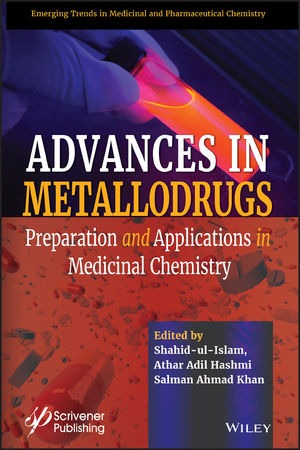
Advances in Metallodrugs : Preparation and Applications in Medicinal Chemistry
This book is organized into 12 important chapters that focus on the progress made by metal-based drugs as anticancer, antibacterial, antiviral, anti-inflammatory, and anti-neurodegenerative agents, as well as highlights the application areas of newly discovered metallodrugs. It can prove beneficial for researchers, investigators and scientists whose work involves inorganic and coordination chemistry, medical science, pharmacy, biotechnology and biomedical engineering
