



الصفحة 4
الصفحة 4

Introducing Molecular Electronics
This volume presents a summary of our current understanding of molecular electronics combined with selected state-of-the-art results at a level accessible to the advanced undergraduate or novice postgraduate. This single book comprises the basic knowledge of both theory and experiment underpinning this rapidly growing field. Concepts and techniques such as density functional theory and charge transport, break junctions and scanning probe microscopy are introduced step-by-step and are subsequently used in specific examples. The text addresses a wide range of systems including molecular junctions made of single-molecules, self-assembled monolayers, carbon nanotubes and DNA.

Interphases and Mesophases in Polymer Crystallization III
In polymer crystallization the challenge is to identify and clarify the transformations by which chain molecules pass from a disordered, molten state to the ordered supra-molecular organization known as the semi-crystalline state. The subject is highly relevant in terms of both basic science and technology; it is indeed clear that many modern applications require complete control of the structure and the morphology of polymers from macroscopic dimensions down to below the nanoscale. As a simple example, making the crystallites in a polymer fiber equally oriented and reducing the number of chain folds (or hairpins) therein, usually turn out to be very favorable requisites for mechanical performance . .This series presents critical reviews of the present and future trends in polymer and biopolymer science including chemistry, physical chemistry, physics and material science. It is adressed to ali scientists at universities and in industry who wish to keep abreast of advances in the topics covered
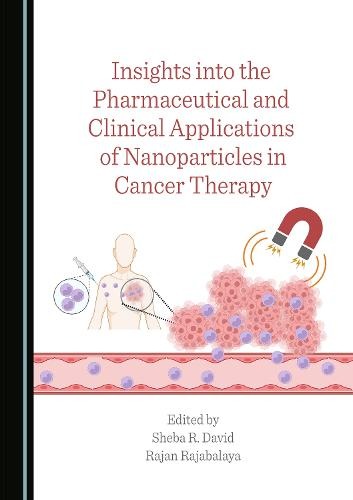
Insights into the pharmaceutical and clinical applications of nanoparticles in cancer therapy
Healthcare has long been on a quest for a ‘magic bullet’ to cure the dreaded disease cancer. As this book shows, nanoparticles perfectly fit the bill with their promising characteristics. Meticulously engineered nanostructures, with a useful drug or molecule, target a specific cancer in unique ways. However, as with many targeted systems, the effectiveness of the system needs to be weighed against the adverse effects. The toxicity of nanoparticles has been a worldwide concern, and evidence-based medicine analyses nanostructures for proof of safety and their efficacy in killing cancer cells. This book gives a fresh perspective on a wealth of diverse nanotechnological advances for various cancers.

Inorganic and Organometallic Macromolecules : Design and Applications
Polymers containing metals and metal-like atoms are essential materials for the extended opportunities and demands of the 21st century. This book describes the synthesis of some of these polymers and their potential application in many fields such as materials, biomedicine, engineering, communications, and ceramics.

Innovations in healthcare and outcome measurement : New approaches for a healthy lifestyle
Aims to bring up-to-date new ideas, opinions, development, and critical issues in healthcare and personalized medicine. We are interested in relevant articles covering a broad range of topics, such as: Advances in medical devices, Digitalization and data-driven technologies, AI and algorithm-based drug development (molecule building, enhancement, clinical trials), Diagnostic imaging, Personalized medicine, Nutrition, Oral health care, Healthcare management in certain diseases and population groups, Regulatory developments, Data management, Digital healthcare.

Inherited inborn errors in amino acids metabolism
Proteins are the most abundant organic molecules in animals, playing important roles in all aspects of cell structure and function. Proteins are biopolymers of acids, so named because the amino group is bonded to the carbon atom, next to the carbonyl group.

Inflammation and natural products ; 1st ed.
Brings together research in the area of the natural products and their anti-inflammatory action in medical, nutraceutical and food products, addressing specific chronic inflammatory diseases like cancer and the mechanistic aspects of the mode of action of some key natural products. Inflammation is a complicated process, driven by infection or injury or genetic changes, which results in triggering signalling cascades, activation of transcription factors, gene expression, increased levels of inflammatory enzymes, and release of various oxidants and pro-inflammatory molecules in inflammatory cells. Excessive oxidants and inflammatory mediators have a harmful effect on normal tissue, including toxicity, loss of barrier function, abnormal cell proliferation, inhibiting normal function of tissues and organs and finally leading to systemic disorders. The emerging development of natural product formulations utilizing the unique anti-inflammatory compounds such as polyphenols, polysaccharides, terpenes, fatty acids, proteins and several other bioactive components has shown notable successes.

Immunogenetics of Autoimmune Disease
Utoimmunity is the downstream outcome of a rather extensive and coordinated series of events that include loss of self-tolerance, peripheral lymphocyte Aactivation, disruption of the blood-systems barriers, cellular infiltration into the target organs and local inflammation. Cytokines, adhesion molecules, growth factors, antibodies, and other molecules induce and regulate critical cell functions that perpetuate inflammation, leading to tissue injury and clinical phenotype. The nature and intensity of this response as well as the physiological ability to restore homeostasis are to a large extent conditioned by the unique amino acid sequences that define allelic variants on each of the numerous participating mol ecules. Therefore, the coding genes in their germline configuration play a primary role in determining who is at risk for developing such disorders, how the disease progresses, and how someone responds to therapy. Although genetic components in these diseases are clearly present, the lack of obvious and homogeneous modes of transmission has slowed progress by prevent ing the full exploitation of classical genetic epidemiologic techniques. Furthermore, autoimmune diseases are characterized by modest disease risk heritability and m- tifaceted interactions with environmental influences. Yet, several recent discoveries have dramatically changed our ability to examine genetic variation as it relates to human disease. In addition to the development of large-scale laboratory methods and tools to efficiently recognize and catalog DNA diversity, over the past few years there has been real progress in the application of new analytical and data-manage ment approaches

Immune receptors : Methods and protocols
Explores immune cell receptors that are used in the detection of microbes, either by binding directly to non-self molecules or through indirectly sensing microbe-associated cellular disturbances. The covers methods for studying receptor-ligand interactions at both molecular and cellular levels; methods to create and characterize novel antibody reagents; and methods to characterize the molecular processes that lead to adaptive receptor maturation. This book also contains chapters that look at high-throughput strategies that describe the diversity of immune receptors and cells. Written in the highly successful Methods in Molecular Biology series format, chapters include introductions to their respective topics, lists of the necessary materials and reagents, step-by-step, readily reproducible laboratory protocols, and tips on troubleshooting and avoiding known pitfalls.

Immobilisation of DNA on Chips II
DNA chips are gaining increasing importance in different fields ranging from medicine to analytical chemistry with applications in the latter in food safety and food quality issues as well as in environmental protection. In the medical field, DNA chips are frequently used in arrays for gene expression studies to identify diseased cells due to over- or under-expression of certain genes, to follow the response of drug treatments, or to grade cancers), for genotyping of individuals, for the detection of single nucleotide polymorphisms, point mutations, and short tandem reports, or moreover for genome and transcriptome analyses in the quasi post-genomic sequencing era. Furthermore, due to some unique properties of DNA molecules, self-assembled layers of DNA are promising candidates in the field of molecular electronics.the main focus of these two volumes is on the immobilization chemistry, considering the various aspects of the immobilization process itself, since different types of nucleic acids, support materials, surface activation chemistries and patterning tools are of key concern.

Hydrogen bonding : New insights
Hydrogen Bonding – New Insights is an extensive text which takes numerous examples from experimental studies and uses these to illustrate theoretical investigations to allow a greater understanding of hydrogen bonding phenomenon. The most important topics in recent studies are considered including: *Intra-molecular H-bonds *Differences between H-bond and van der Waals interactions from one side and covalent bonds from the other *Bader theory to analyze H-bonding *Influence of weak H-bonds upon structure and function of biological molecules *H-bonds in crystal structures

Hydrogen bonded polymers
Control of polymeric structure is among the most important endeavours of modern macromolecular science. In particular, tailoring the positioning and strength of intermolecular forces within macromolecules by synthetic me- odsandthusgaining structuralcontrolover the'nalpolymeric materials has become feasible, resulting in the ?eld of supramolecular polymer science. - sides other intermolecular forces, hydrogen bonds are unique intermolecular forces enabling the tuning of material properties via self-assembly processes, The important contribution of hydrogen bondstotheareaofsupramole- lar polymer chemistry is de'nitely outstanding, most of all since the potency of hydrogen-bonding systems has been found to be unique in relation to other supramolecular interactions.

Hydrogels : Design, Synthesis and Application in Drug Delivery and Regenerative Medicine
Hydrogels are crosslinked, macromolecular polymeric materials arranged in a three-dimensional network, which can absorb and retain large amounts of water. Hydrogels are commonly used in clinical practice and experimental medicine for a wide range of applications, including drug delivery, tissue engineering and regenerative medicine, diagnostics, cellular immobilization, separation of biomolecules or cells, and barrier materials to regulate biological adhesions.

Host-pathogen interactions : Methods and protocols
Serves as multidisciplinary compendium of approaches and techniques employed to analyze the role of different molecules, processes, or strategies used by different guests to survive and proliferate in their associations with eukaryotic hosts. Beginning with animal-pathogen interactions, the book then continues with chapters exploring virus-host interactions, plant-microbe interactions, as well as different molecular techniques that were initially applied to non-pathogenic interactions but can be adapted to study other host-pathogen associations. Written for the highly successful Methods in Molecular Biology series, chapters include introductions to their respective topics, lists of the necessary materials and reagents, step-by-step and readily reproducible laboratory protocols, as well as tips for troubleshooting and avoiding known pitfalls.

High-Velocity Clouds
On the occasion of the retirement of Ulrich Schwarz, a symposium was held in Groningen in May of 1996, celebrating his contributions to the study of the int- stellar medium, including his work on the high-velocity clouds. The coming together of many specialists in the latter ?eld prompted the idea of compiling a book c- taining their contributions, and summarizing the status of our understanding of the high-velocity cloud phenomenon. This seemed especially worthwhile at the time, since many exciting developments were taking place. After the discovery of some H i clouds with high velocities, about 40 years ago, the subject had been dominated by 21-cm observations of H i emission. Starting in the mid-1980s much progress was being made because of the availability of new instruments, such as large ground-based optical telescopes and UV observatories in space. The connections between the work on high-velocity clouds and other studies of the properties of the (hot) interstellar medium also became clearer.

Heterocyclic Supramolecules I
Contributing to this book of six chapters were 14 scientists working in the field of supramolecular chemistry, with a special focus on molecular recognition, functional materials, and nanocarbon science. … Overall, this book is an informative summary on the progress that researchers have made over the past decade toward generating useful functional materials from heterocyclic supramolecules. This is an advanced text that should be most useful to those with an established background in supramolecular sciences and engineering.

Heterocyclic Antitumor Antibiotics
Heterocyclic Compounds Includes aspects such as synthesis, reaction mechanisms, structure complexity, properties, reactivity, stability, fundamental and theoretical studies, biology, biomedical studies, pharmacological aspects, applications in material sciences etc. Metabolism will be also included which will provide information useful in designing pharmacologically active agents. Pathways involving destruction of heterocyclic ring will also be dealt with so that synthesis of specifically functionalized non-heterocyclic molecules can be designed. Overall scope is to cover topics dealing with most of the areas of current trends in heterocyclic chemistry which will suit to a larger heterocyclic community.

Heat Shock Proteins in Cancer
Heat shock proteins are emerging as important molecules in the development of cancer and as key targets in cancer therapy. These proteins enhance the growth of cancer cells and protect tumors from treatments such as drugs or surgery.

Hartree-Fock-Slater Method for Materials Science: The DV-X Alpha Method for Design and Characterization of Materials
Molecular-orbital calculations for materials design such as alloys, ceramics, and coordination compounds are now possible for experimentalists. Molecuar-orbital calculations for the interpretation of chemical effect of spectra are also possible for experimentalists. The most suitable molecular-orbital calculation method for these purpose is the DV-Xa method, which is robust in such a way that the calculation converges to a result even if the structure of the molecule or solid is impossible in the pressure and temperature ranges on earth. This book specially addresses the methods to design novel materials and to predict the spectrallline shape of unknown materials using the DV-Xa molecular-orbital method, but is also useful for those who want to calculate electronic structures of materials using any kind of method.

Handbook of soil analysis : Mineralogical, organic and inorganic methods
This new book by Marc Pansu and Jacques Gautheyrou provides a synopsis of the analytical procedures for the physicochemical analysis of soils. It is written to conform to analytical standards and quality control. It focuses on mineralogical, organic and inorganic analyses, but also describes physical methods when these are a precondition for analysis. It will help a range of different users to choose the most appropriate method for the type of material and the particular problems they have to face. The compiled work is the product of the experience gained by the authors in the laboratories of the Institute of Research for Development (IRD) in France and in tropical countries, and includes an extensive review of the literature. The reference section at the end of each chapter lists source data from pioneer studies right up to current works, such as, proposals for structural models of humic molecules, and itself represents a valuable source of information.
